






Tà Xùa Snow Tea – A Specialty Of The Northwest.
When mentioning Tà Xùa, many people will immediately think of the floating sea of clouds and the winding roads through the vast mountains. However, this land, located at an altitude of nearly 2,000 m, also possesses another "treasure" that tea lovers particularly adore, which is the ancient Shan Tuyết tea of Tà Xùa.
Growing amidst the mist year-round, the hundreds-of-years-old tea trees have created a tea with a very unique flavor, rich in the essence of the Northwest mountains and forests.
What is Tà Xùa Shan Tuyết tea?
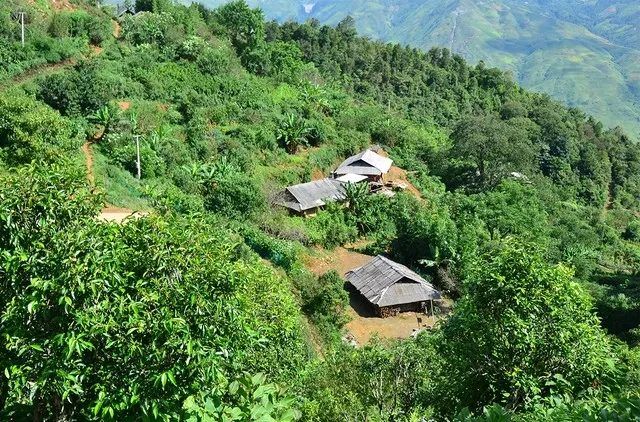
Tà Xùa Shan Tuyết tea is harvested from ancient tea trees that grow naturally on the slopes of Tà Xùa commune, Bắc Yên district, Sơn La province. These tea trees thrive at an altitude of about 1,500–1,800 m above sea level, where clouds cover year-round, the climate is cool, and there is a significant temperature difference between day and night.
Many tea trees here are aged between 300–500 years, with large trunks covered in moss. The harsh natural conditions and special soil have created tea buds covered with a fine white down – a characteristic that gives it the name Shan Tuyết.

Not only famous for its quality, Tà Xùa Shan Tuyết tea is also closely linked to the lives of the Mong, Dao, and many ethnic groups in the highlands. From harvesting to processing, everything is done manually, helping to preserve the natural flavor of the tea leaves almost intact.
The journey of tea picking amidst the mist of Tà Xùa
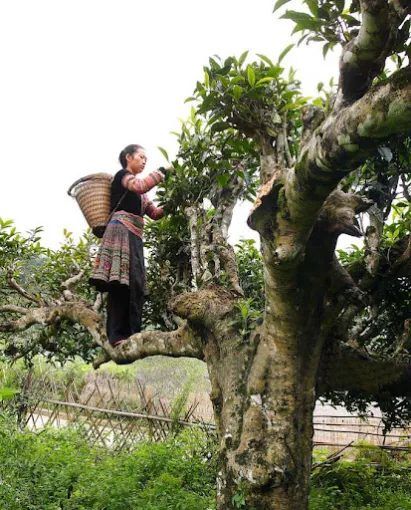
To harvest the tender tea buds, locals must climb the ancient tea trees that are tens of meters high.
Each season, a single tea tree yields only a few kilograms of fresh buds and is harvested every 7 days to allow the tree to recover. The tea picking process requires skill, experience, and patience as one must navigate steep, slippery mountain paths, with one side being a rocky cliff and the other a deep abyss shrouded in clouds.
Following the local people of Bẹ village, visitors will have the opportunity to witness the hundreds-of-years-old ancient tea trees and gain a deeper understanding of the value of each tea bud cherished amidst the mountains and forests.
What makes the special flavor of Tà Xùa Shan Tuyết tea?
What makes Tà Xùa Shan Tuyết tea different lies in its very unique flavor that is hard to find in other tea regions.
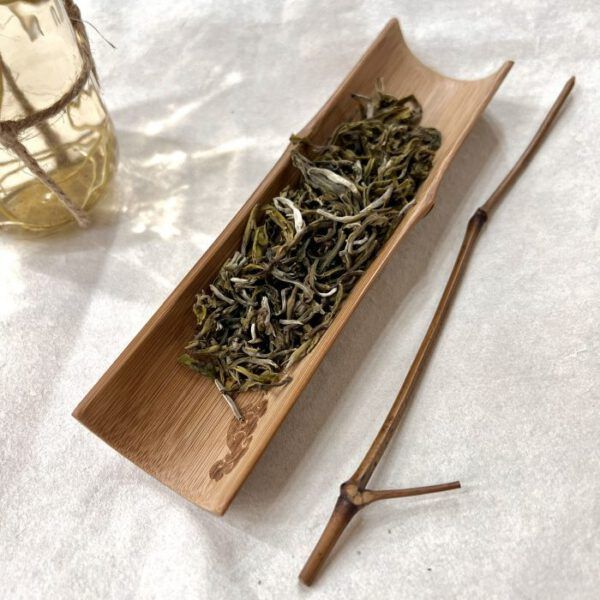
After processing, the dry tea leaves are long, fluffy, covered with a layer of ivory white down, and not tightly twisted like many other types of tea. When brewed, the tea water has a clear yellow or amber color depending on the type of tea, exuding a gentle aroma of mountains and forests, with hints of young green rice, smoky wood, and herbs.
The tea has a light astringency at first but quickly transitions to a deep sweet aftertaste that lingers in the mouth for a long time. This sensation is likened by many tea lovers to the taste of the sky and earth of the Northwest, both rustic and refined.
Popular types of Tà Xùa Shan Tuyết tea
Green Shan Tuyết tea
Green tea is processed using traditional methods, preserving the natural color and aroma of the tea buds.
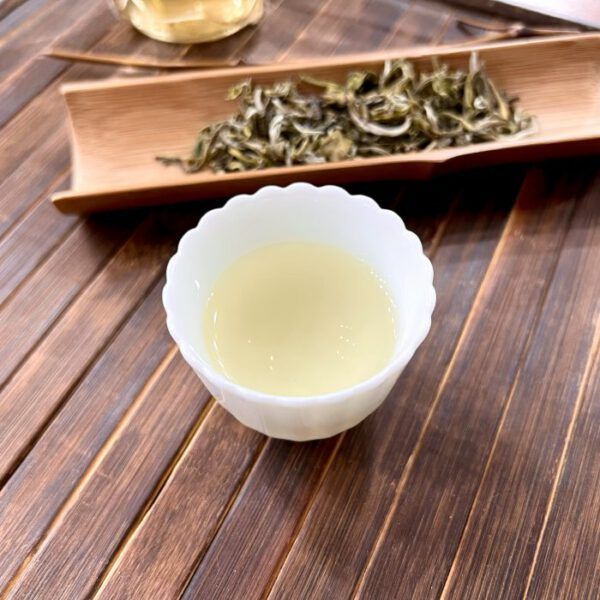
When brewed, the tea water is light yellow, with a pure aroma, a gentle astringency, and a lingering sweet aftertaste. This is the type of tea that many people choose to enjoy daily.
Black Shan Tuyết tea
Black tea is fermented about 80%, resulting in reddish-brown tea leaves.
The tea water has a beautiful amber color, with the aroma of naturally ripe fruits, a gentle, elegant sweetness, and just a hint of light astringency.
White Shan Tuyết tea
This type of tea is made from young buds covered with a thick layer of white down.
When brewed, the tea has a morning grass aroma, a refreshing taste, a slightly grassy characteristic, light astringency but not bitterness, leaving a very pleasant aftertaste.
How to brew Tà Xùa Shan Tuyết tea correctly
To fully appreciate the aroma of Shan Tuyết tea, you should use about 5–7 g of tea for a pot with a capacity of 200–220 ml.
It is best to use purified water or natural spring water. The ideal water temperature is about 80–85°C; do not use boiling water at 100°C as it may cause the tea to lose its delicate aroma.
Steps to brew tea:
- Rinse the pot and cups with hot water.
- Add tea to the pot.
- Pour just enough water to cover the tea for about 3 seconds, then discard it to awaken the tea.
- Continue pouring water and steep for about 15–20 seconds for the first brew.
- Pour all the tea water into a pitcher or cup to avoid over-soaking the tea, which can cause bitterness.
An ancient Shan Tuyết tea pot can be brewed 5–8 times while still retaining its rich flavor and sweet aftertaste.
Enjoying tea amidst the sea of clouds in Tà Xùa
Perhaps there is no place more delightful for tea enjoyment than right in Tà Xùa.
In the cool weather, with clouds hovering around wooden houses, holding a cup of hot tea that exudes a gentle aroma, feeling the sweetness gradually spreading in the mouth is an experience that many visitors will remember long after their trip.
It is the combination of majestic nature, fresh climate, and hundreds-of-years-old tea trees that creates a tea rich in the identity of the Northwest.
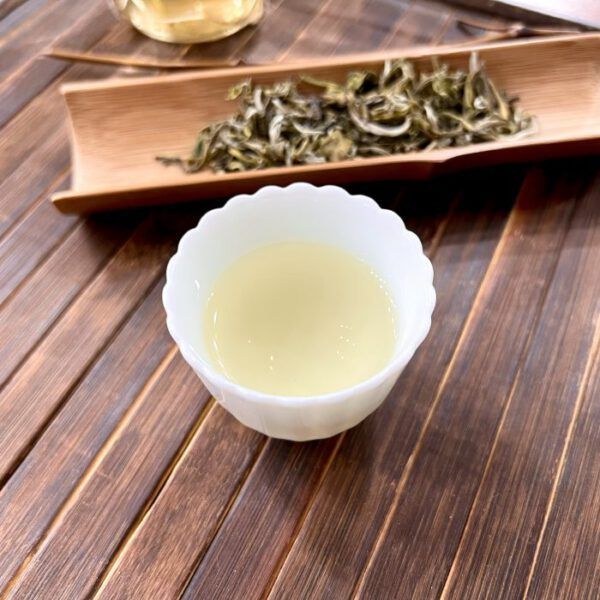
Not only famous as a paradise for cloud hunting, Tà Xùa is also a land that preserves precious ancient Shan Tuyết trees along with the traditional tea-making craft of the highland people. Each cup of tea not only carries the pure flavor of the mountains and forests but also contains the efforts of those who climb the hundreds-of-years-old tea trees daily to pick each tender bud.
If you have the chance to visit Tà Xùa, do not forget to take the time to visit the ancient tea hills, learn about the tea-making process, and enjoy a hot cup of Shan Tuyết amidst the sea of clouds. It will surely be an unforgettable experience in your journey to explore the Northwest highlands.
Bình Luận:
0