






La Ciudadela De Quảng Trị Fue Construida En Qué Año - Proceso De Construcción Y Desarrollo.
¿En qué año se construyó la Ciudadela de Quảng Trị? - Proceso de construcción y desarrollo
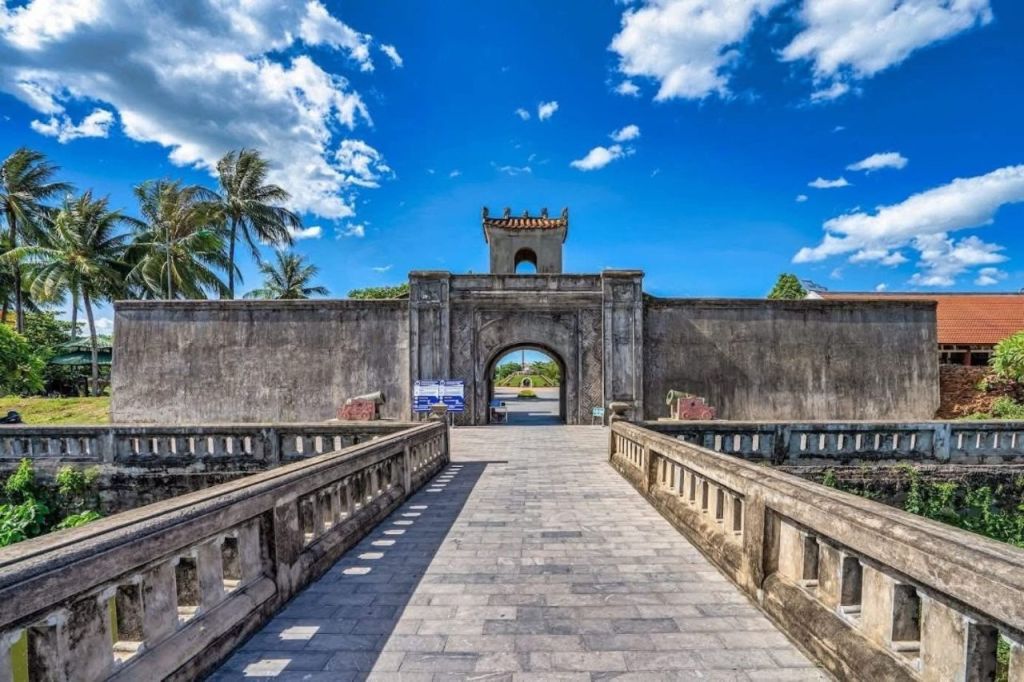
Situada a orillas del apacible río Thạch Hãn, la Ciudadela de Quảng Trị no solo es un monumento histórico de especial importancia nacional, sino también un símbolo del espíritu indomable del pueblo vietnamita a lo largo de muchas épocas. Pocos saben que esta obra se inició a principios del siglo XIX, bajo la dinastía Nguyễn, con el propósito inicial de ser una fortaleza militar sólida, destinada a proteger la estratégica región central del país.
¿En qué año se construyó la Ciudadela de Quảng Trị? - Proceso de construcción y desarrollo
A lo largo de siglos de cambios, desde la época feudal hasta la colonización, y especialmente durante la feroz guerra contra Estados Unidos, la Ciudadela de Quảng Trị ha cambiado constantemente en su papel y arquitectura, convirtiéndose en un testimonio vivo que refleja la historia de lucha, pérdidas y el anhelo de paz de toda la nación.
1. ¿En qué año se construyó la Ciudadela de Quảng Trị?
La Ciudadela de Quảng Trị se construyó en 1809 durante el reinado del rey Gia Long de la dinastía Nguyễn. Inicialmente, la fortaleza fue levantada con tierra en el barrio Tiền Kiên (actualmente parte de la comuna Triệu Thành, distrito Triệu Phong).En 1809, el rey Gia Long ordenó trasladar la fortaleza a su ubicación actual a orillas del río Thạch Hãn, en el barrio 2, ciudad de Quảng Trị. Sin embargo, no fue hasta 1837, bajo el reinado del rey Minh Mạng, que la fortaleza fue completamente construida con ladrillos cocidos, un proceso que se extendió por casi 28 años. Esto marcó la transición de una obra de tierra temporal a una fortaleza sólida, reflejando la estrategia militar y administrativa de la dinastía Nguyễn.
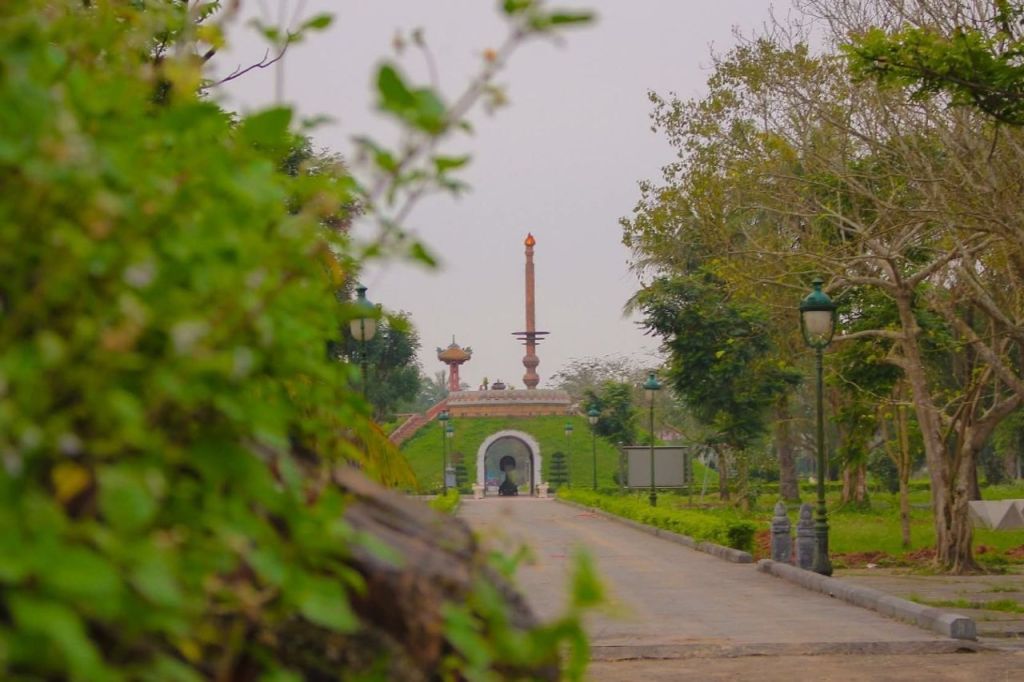
Foto: Testimonio vivo de la historia
2. Proceso de construcción de la Ciudadela de Quảng Trị
Para entender mejor la arquitectura y el significado histórico de la Ciudadela de Quảng Trị, necesitamos retroceder al momento de su construcción, explorando el propósito inicial y los esfuerzos de los antiguos en crear esta obra.Fase 1: Planificación y reubicación (1809-1832)
En 1809, el rey Gia Long se dio cuenta de que la ubicación de Tiền Kiên ya no era adecuada para el papel de centro administrativo y militar de la provincia de Quảng Trị. Por lo tanto, ordenó trasladar la sede a la comuna de Thạch Hãn, situada entre las aldeas de Cổ Vưu (más tarde Trí Bưu) y Thạch Hãn. Esta área fue elegida por su elevada posición, favorable para la defensa y el desarrollo económico y cultural. La fortaleza fue construida con tierra, con las primeras instalaciones administrativas, sentando las bases para el centro político de la región.
Fase 2: Construcción sólida con ladrillos (1837)
Durante el reinado del rey Minh Mạng, la dinastía Nguyễn se centró en fortalecer la defensa nacional y desarrollar la infraestructura. En 1837, la Ciudadela de Quảng Trị fue reconstruida con ladrillos cocidos de gran tamaño, unidos con cal, melaza y aditivos tradicionales. La obra tiene una arquitectura cuadrada al estilo Vauban, un famoso estilo de defensa militar, con una circunferencia de más de 2,000 metros, muros de más de 4 metros de altura y cimientos de más de 12 metros de grosor. La fortaleza tiene cuatro puertas principales en las direcciones Este, Oeste, Sur y Norte, y cuatro baluartes que sobresalen en las esquinas, rodeados por un sistema de fosos de agua sólidos.
Fase 3: Finalización y papel central (después de 1837)
Una vez finalizada, la Ciudadela de Quảng Trị se convirtió en el centro político, económico y cultural de la provincia, conectándose estrechamente con la ciudad de Huế. La ciudadela incluye importantes instalaciones como el palacio de verano, el asta de la bandera, la residencia del comandante, el granero y el cuartel, construidos al estilo de las casas tradicionales de la dinastía Nguyễn. Con su ubicación estratégica, la fortaleza no solo es una fortaleza militar, sino también un símbolo del poder de la corte, contribuyendo al desarrollo de la región de Quảng Trị.
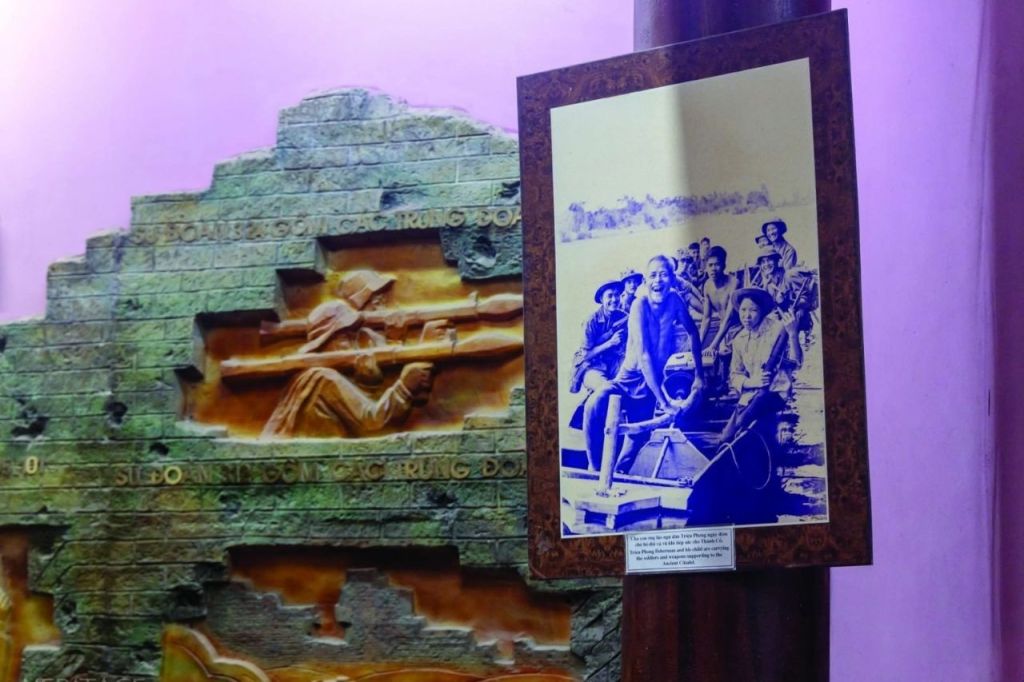
Foto: Un rincón dentro del museo de la Ciudadela de Quảng Trị
3. Hitos históricos de la Ciudadela de Quảng Trị
Desde su construcción hasta hoy, la Ciudadela de Quảng Trị ha pasado por muchas etapas de desarrollo y ha sido testigo de innumerables eventos históricos importantes.Época Nguyễn (1802-1945): Fortaleza militar y sede administrativa
Durante más de 160 años bajo la dinastía Nguyễn, la Ciudadela de Quảng Trị fue el centro neurálgico del aparato gubernamental local. Aquí se gestionaron las actividades políticas, económicas, culturales y sociales de la provincia. La fortaleza también desempeñó el papel de un baluarte defensivo, protegiendo la región limítrofe con la ciudad de Huế.
Época colonial francesa (desde 1929): Prisión de los revolucionarios
A partir de 1929, los colonizadores franceses construyeron una prisión dentro de la Ciudadela, convirtiendo el lugar en una cárcel para patriotas y opositores. Los muros de ladrillo que una vez protegieron la región de Quảng Trị se convirtieron en testigos de la feroz represión del régimen colonial.
Guerra de resistencia contra Estados Unidos (1968-1972): Verano de fuego
La Ciudadela de Quảng Trị se convirtió en un símbolo global durante la guerra de resistencia, especialmente a través de la batalla de 81 días y noches en 1972 (del 28 de junio al 16 de septiembre de 1972). En la operación "Verano de fuego", Estados Unidos y las fuerzas de la República de Vietnam lanzaron más de 328,000 toneladas de bombas, equivalentes al poder destructivo de 7 bombas atómicas. La fortaleza fue prácticamente arrasada, quedando solo la puerta Este y algunos tramos de murallas marcados por las huellas de las bombas. Miles de soldados sacrificaron sus vidas, y su sangre y huesos se impregnaron en cada centímetro de tierra, convirtiendo este lugar en un "cementerio sin tumbas".
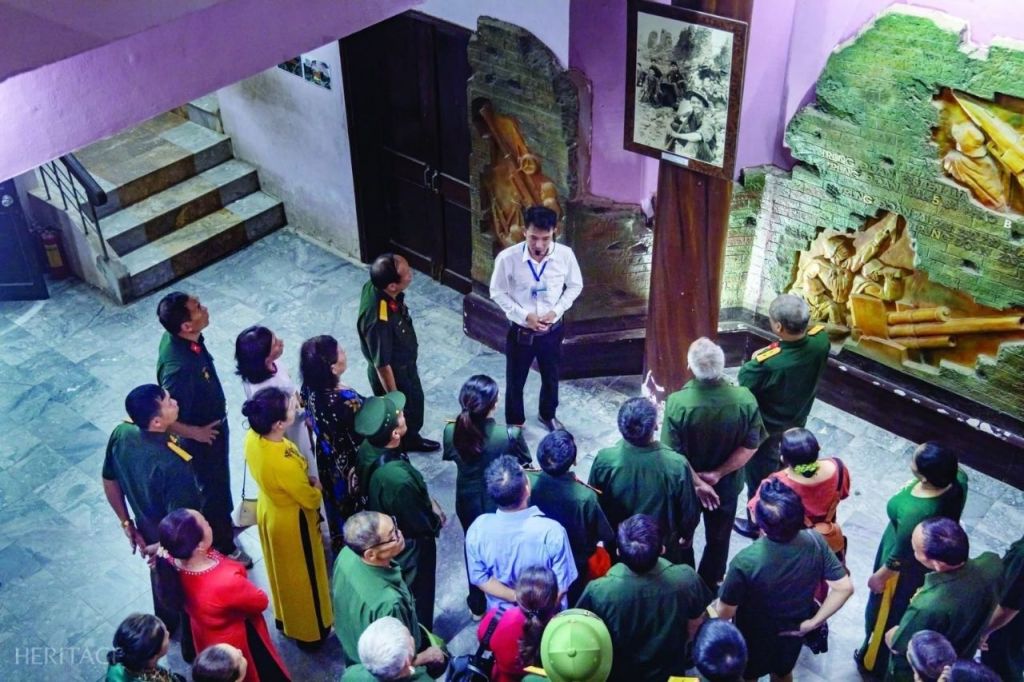
Foto: Miles de soldados sacrificaron sus vidas en esta batalla
Después de la guerra: Restauración y conmemoración
En la década de 1990, la provincia de Quảng Trị comenzó a restaurar la Ciudadela como un monumento histórico. Se restauraron tramos de las murallas, se reconstruyeron las cuatro puertas principales y se construyó un monumento central, que simula una tumba colectiva para los soldados caídos durante los 81 días y noches. El monumento tiene una filosofía de yin y yang, con un diseño octogonal (bagua), cuatro accesos (cuatro símbolos) y un techo estilizado, simbolizando la armonía entre los vivos y los muertos.
Desde 1997, el proceso de restauración se ha intensificado con la construcción de instalaciones como un museo, una placa conmemorativa para estudiantes y un parque cultural. Hoy en día, la Ciudadela de Quảng Trị es un monumento nacional especial, atrayendo a miles de turistas nacionales e internacionales, convirtiéndose en una "dirección roja" para la educación de la tradición patriótica.
4. Restauraciones y ampliaciones de la Ciudadela de Quảng Trị
La Ciudadela de Quảng Trị ha pasado por numerosas restauraciones debido a daños causados por la guerra y el tiempo. En la década de 1990, el gobierno provincial de Quảng Trị comenzó a restaurar y reconstruir algunos tramos de las murallas, rehaciendo las cuatro puertas principales y construyendo un monumento central para conmemorar la batalla de 81 días y noches en 1972. Recientemente, en 2025, la fortaleza está pasando por una gran fase de renovación, que incluye el refuerzo de las murallas y la mejora de la infraestructura para preservar el monumento. Las ampliaciones se han centrado principalmente en restaurar la forma original, al tiempo que se añaden elementos modernos como museos y parques, convirtiendo la fortaleza en un espacio cultural ampliado de más de 25 hectáreas.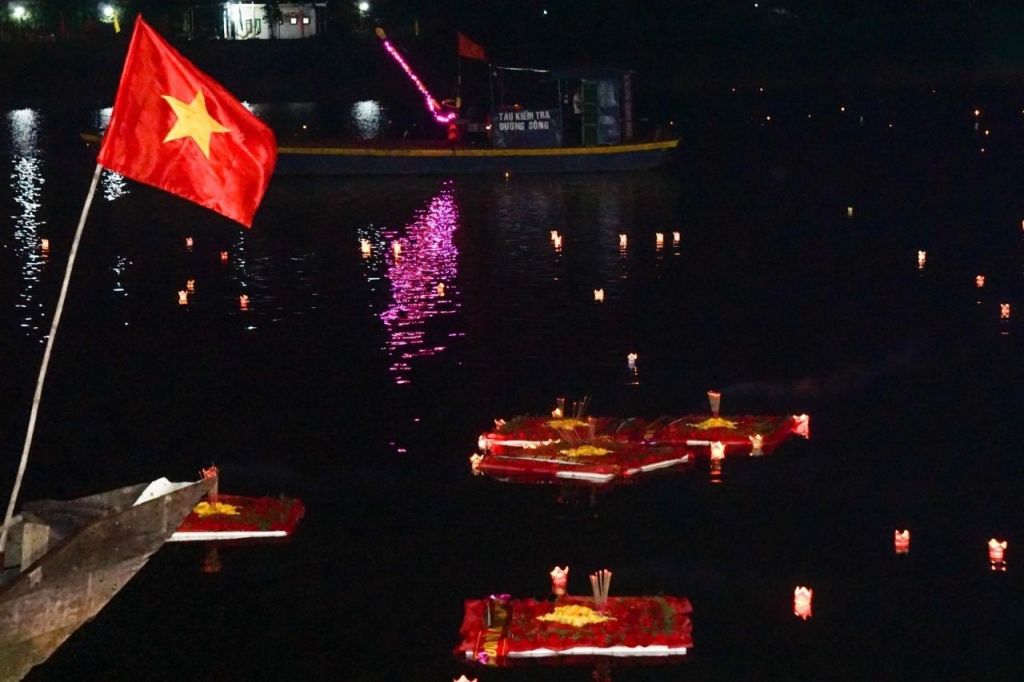
Foto: Lanzamiento de linternas en el río Thạch Hãn
La Ciudadela de Quảng Trị, que comenzó en 1809 bajo el reinado del rey Gia Long, ha atravesado casi tres siglos de altibajos, convirtiéndose en testigo de la historia y símbolo inmortal del pueblo vietnamita. Desde una simple fortaleza de tierra hasta una sólida construcción de ladrillos, desde un centro administrativo de la época Nguyễn hasta un "cementerio sin tumbas" durante la guerra, esta fortaleza no solo cuenta la historia del pasado, sino que también inspira a las generaciones actuales sobre el amor por la patria y el anhelo de paz.
Bình Luận:
0