






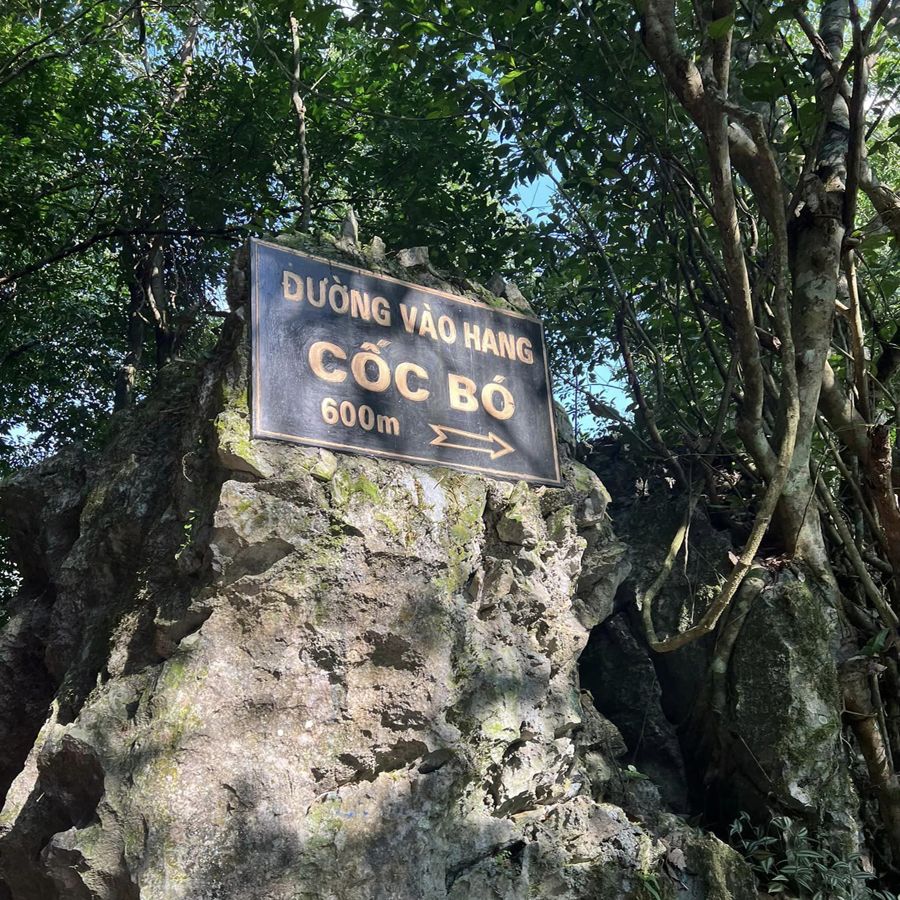
I see many people confused about the name of this historical site. The correct name is Cốc Bó Cave, not Pác Bó Cave, okay everyone.
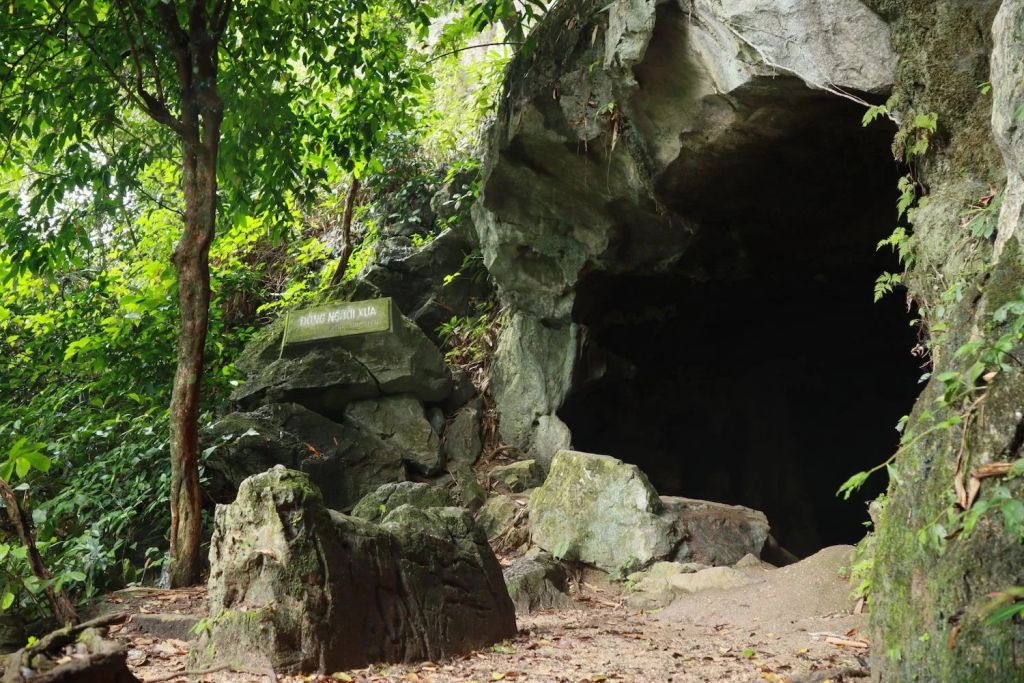
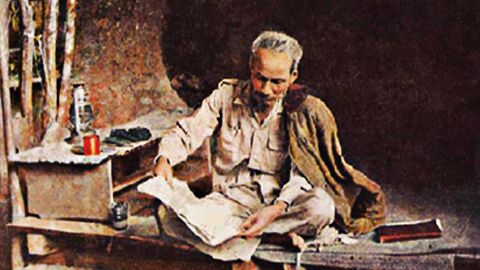
Cốc Bó Cave, located in Trường Hà commune, Cao Bằng province, is a famous cave within the Pác Bó historical site. This is where President Hồ Chí Minh lived and worked after returning to the country in 1941. He named the stream in front of the cave Lê Nin and the mountain with Cốc Bó Cave as Các Mác Mountain. Cốc Bó Cave in the Nùng language means "head of the source," situated on the slope of Các Mác Mountain, near the flow of Lê Nin stream. Because the cave is dark, damp, narrow, cold, and deep in the mountain crevice, no one paid attention to it at that time, making it an ideal shelter for him to conduct revolutionary activities.
About before 1979, Cốc Bó Cave was approximately 15m², with a large stream flowing underground from the mountain in front of the cave, its source being on the north side of this mountain and belonging to Chinese territory. During the Vietnam-China border war in 1979, Chinese troops detonated explosives to destroy Cốc Bó Cave. However, today, the cave has been restored to its former state for tourists to visit.
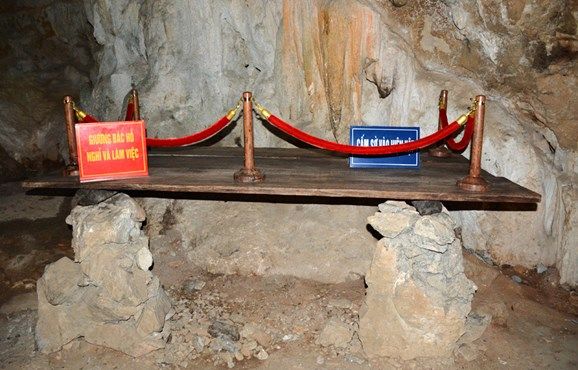
Nowadays, inside the cave, there is still the bed that Hồ Chí Minh once rested on, which was also his workspace. It is just an old, cracked wooden board. Deep inside is the statue of Các Mác made of stalactite that Hồ Chí Minh named years ago. At the foot of the mountain, outside the Cốc Bó cave tourist area, is where Hồ Chí Minh often set up a stove to cook rice and boil water using guava leaves to make tea.
Bình luận
0