






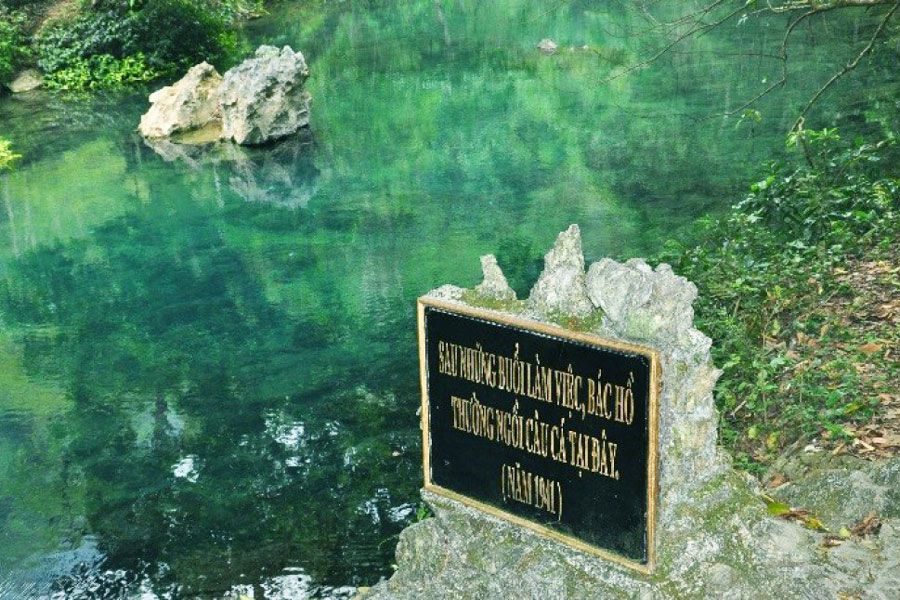
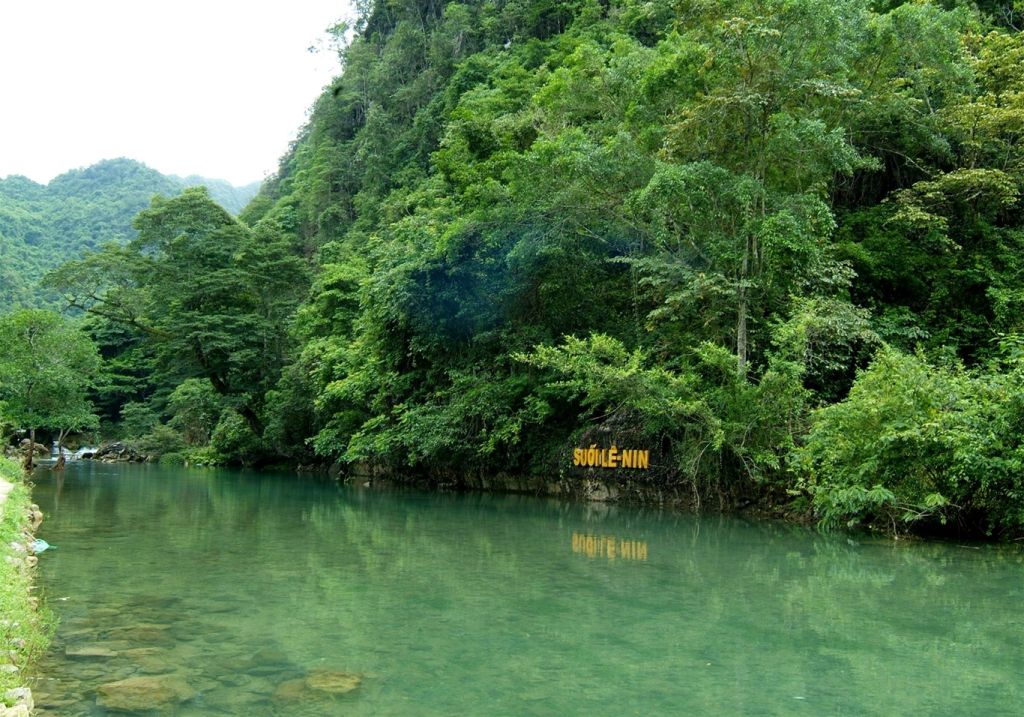
After returning to the country in 1941, Hồ Chí Minh chose Pác Bó (Cao Bằng) as the first revolutionary base of Vietnam. This decision was based on several important factors:
First, Pác Bó has a very favorable geographical location. It is close to the Vietnam-China border, making it easy for the Vietnamese revolution to communicate with the international community, while also being convenient for retreating in case of danger.
Second, the terrain of Pác Bó is rugged, with many high mountains, deep forests, and secluded caves. This creates favorable conditions for hiding forces, establishing secret bases, and ensuring the safety of revolutionary officials.
Third, the people of Cao Bằng have a tradition of patriotism, unity, and willingness to support the revolution. This is a very important factor in building a solid revolutionary base and developing the mass movement.
In addition, from Pác Bó, it is easy to expand activities to other regions such as Lạng Sơn, Tuyên Quang, Bắc Kạn, Thái Nguyên,... gradually building a revolutionary movement across the country.
For these reasons, Pác Bó became the first revolutionary base and holds special significance, contributing to laying the foundation for the future success of the Vietnamese revolution.

Bình luận
0