






🏯 IMPERIAL CITY OF HUE – A PLACE WHERE TIME STAYS IN SLOW STEPS
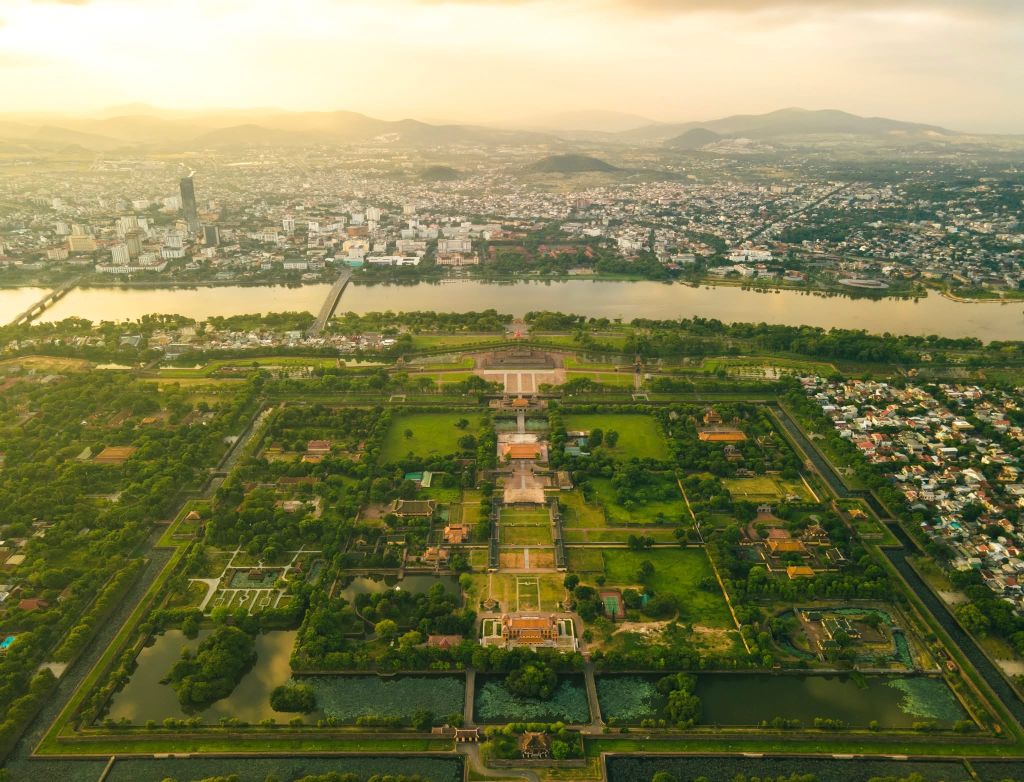
In the heart of the ancient capital, the Imperial City of Hue appears solemn and majestic like an ancient book opening its pages about the Nguyen dynasty – the last feudal dynasty of Vietnam. Construction began in 1805 under King Gia Long and was completed in 1832 during King Minh Mang's reign. The Imperial City was the center of power for over a century, as well as the living, working, and worship space of the royal family.
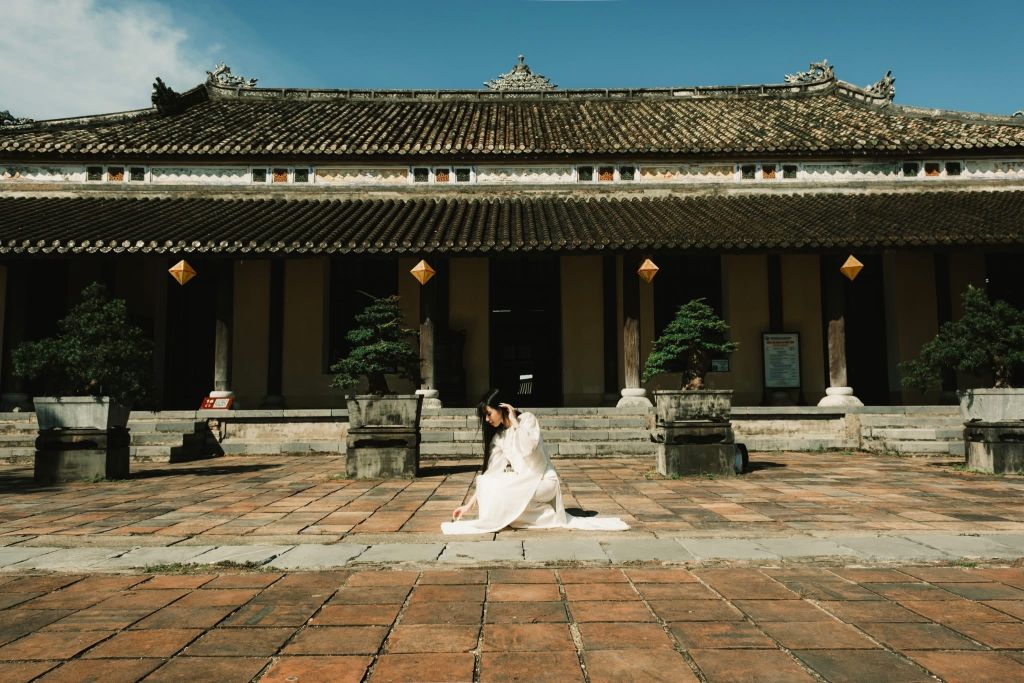
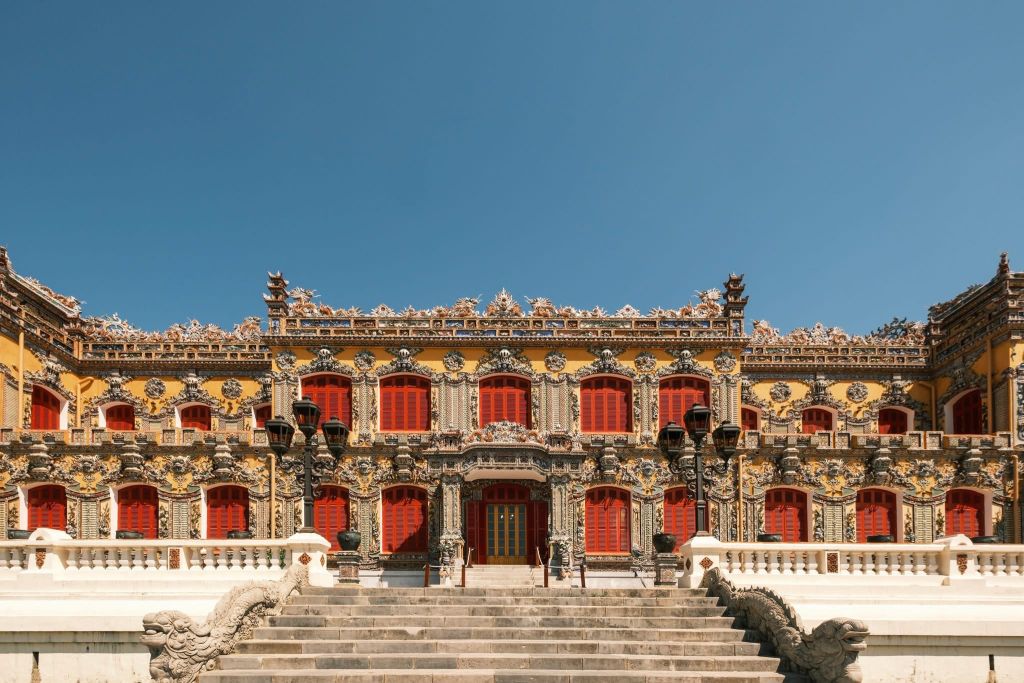
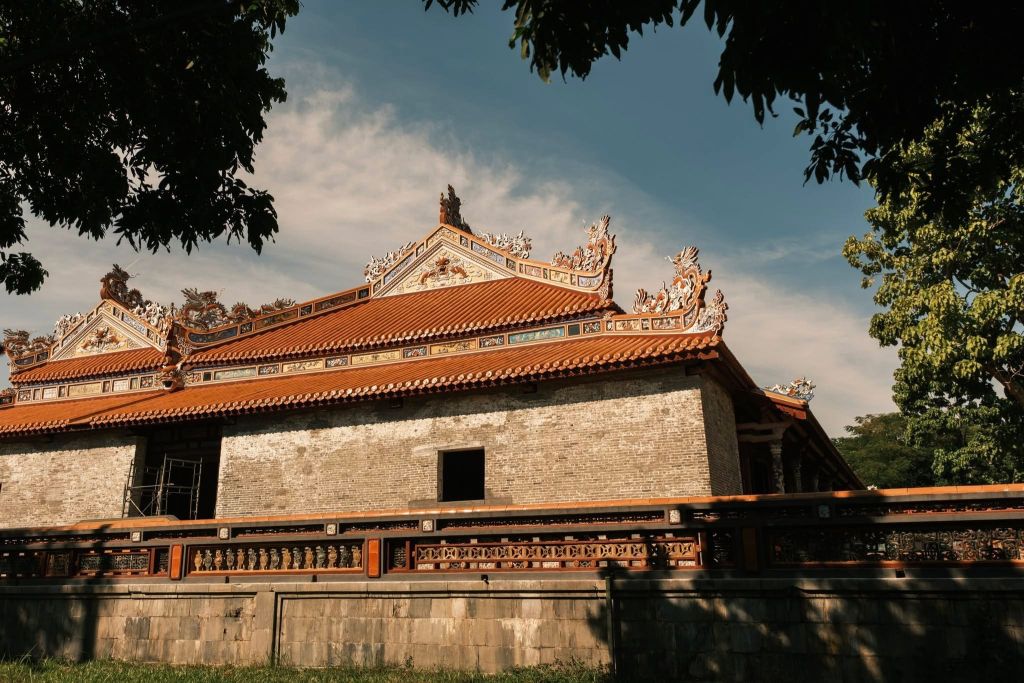
Stepping through the Noon Gate, one naturally feels the pace of life slow down. The noise of the city seems to fade away, leaving only the wide courtyards, the royal glazed roofs, and the wooden columns that have borne the marks of time. Standing before the Thai Hoa Palace – the site of coronation ceremonies and grand assemblies – people often instinctively lower their voices, as if afraid to disturb history.
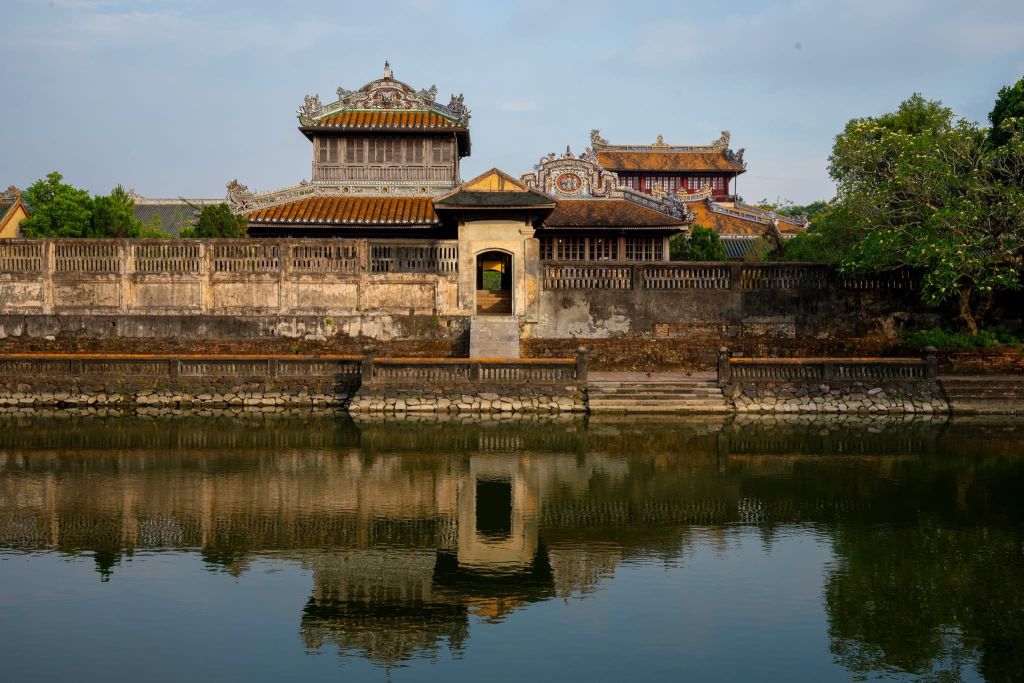
War and the passage of time have left many structures in ruins, but it is precisely the foundations, the moss-covered walls, and the long corridors that vividly evoke the life of the ancient court: quiet, orderly, full of untold stories.
Today, the Imperial City is no longer a place of power for kings, but a UNESCO-recognized world cultural heritage — a vivid memory for everyone who comes here to understand more about history, and to understand more about themselves in the flow of the nation.
Visiting the Imperial City of Hue is not just to admire an ancient structure but to listen to time telling stories — in slow steps, and in the very tranquil essence of Hue.
-----------
Source: Hue Experience
Photo: Lens Culture


Comment
0