





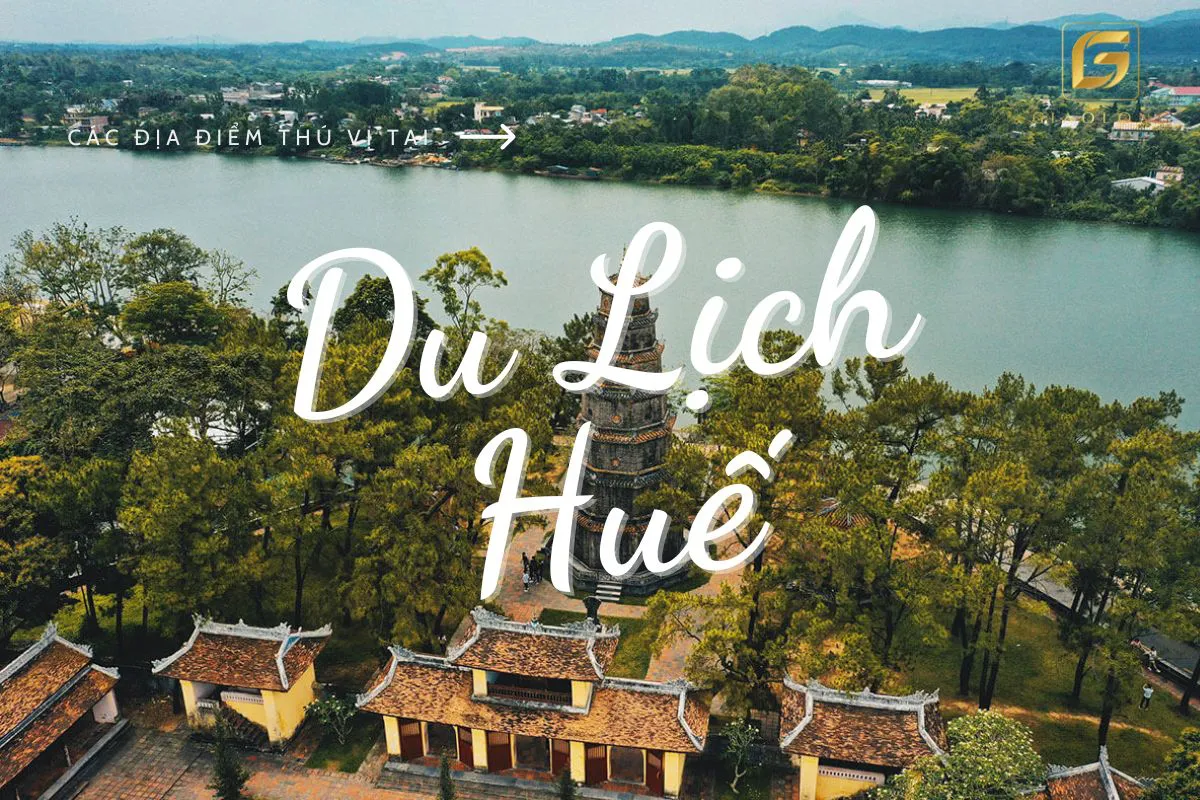
Ming Mang Tomb - A Standard Symphony Of Architecture And Eastern Philosophy
Mausoleum of Minh Mang - A standard symphony of architecture and Eastern philosophy
Amidst the majestic mausoleums of the Nguyen dynasty, the Mausoleum of Minh Mang stands out as a construction that achieves perfect balance: between man and nature, between power and tranquility, between architecture and thought. Not ostentatious, not overly elaborate, the mausoleum captivates visitors with its standard, tight, and profound beauty, true to the spirit of a typical Confucian emperor.
1. Where is the Mausoleum of Minh Mang?
The Mausoleum of Minh Mang (also known as Hieu Lang) is located on Cam Khe mountain, southwest of Hue, about 12km from the city center. The mausoleum is situated in a rare feng shui position: in front is the confluence of rivers, behind is the mountain, surrounded by lakes, greenery, and lotus ponds, creating a spacious yet very tranquil atmosphere.
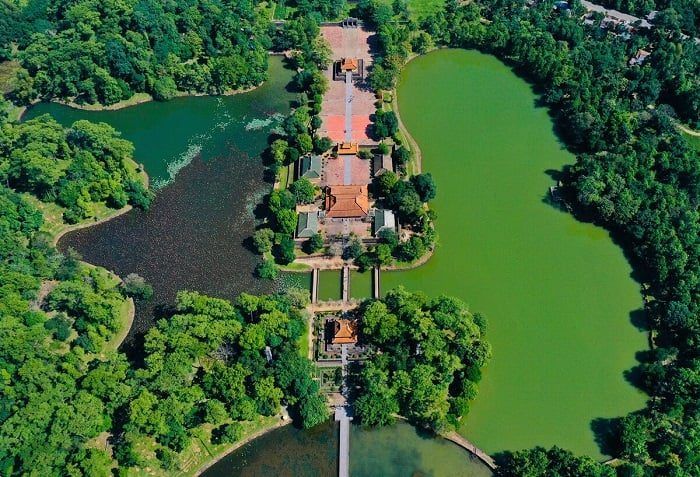
Mausoleum of Minh Mang Hue - A must-visit destination in the ancient capital (Source: Vinpearl)
2. History of formation – A 14-year journey to find “good land”
Emperor Minh Mang (reigned 1820–1841) was a ruler with a clear Confucian mindset, emphasizing order, discipline, and harmony. Even while still in power, he wished to build a tomb that would serve as both a spiritual resting place and a final resting place after his death.
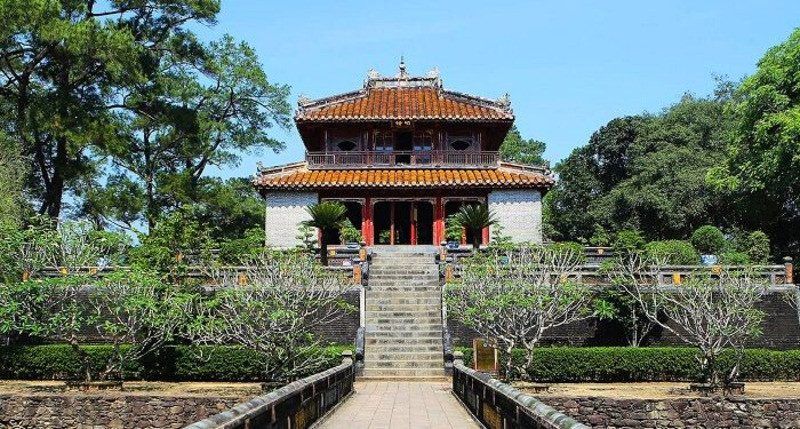
Mausoleum of Minh Mang Hue - Historical architecture that stands the test of time (Source: Dat Viet Tour)
The court took 14 years to survey and find a land that met the criteria of mountains, rivers, and greenery. When choosing Cam Khe mountain, the emperor renamed it Hieu Son and named the mausoleum Hieu Lang. The project began in 1840, but before it could be completed, Emperor Minh Mang passed away. Emperor Thieu Tri succeeded him and continued the construction, which was completed in 1843.
3. Architecture of the Mausoleum of Minh Mang – A model of the Nguyen dynasty mausoleums
The Mausoleum of Minh Mang covers an area of about 18ha, consisting of 40 large and small structures, arranged symmetrically along the central axis – the main axis running from the entrance to Buu Thanh. The entire layout is organized into three interconnected, tight layers of space, reflecting the orderly thinking of Confucianism.
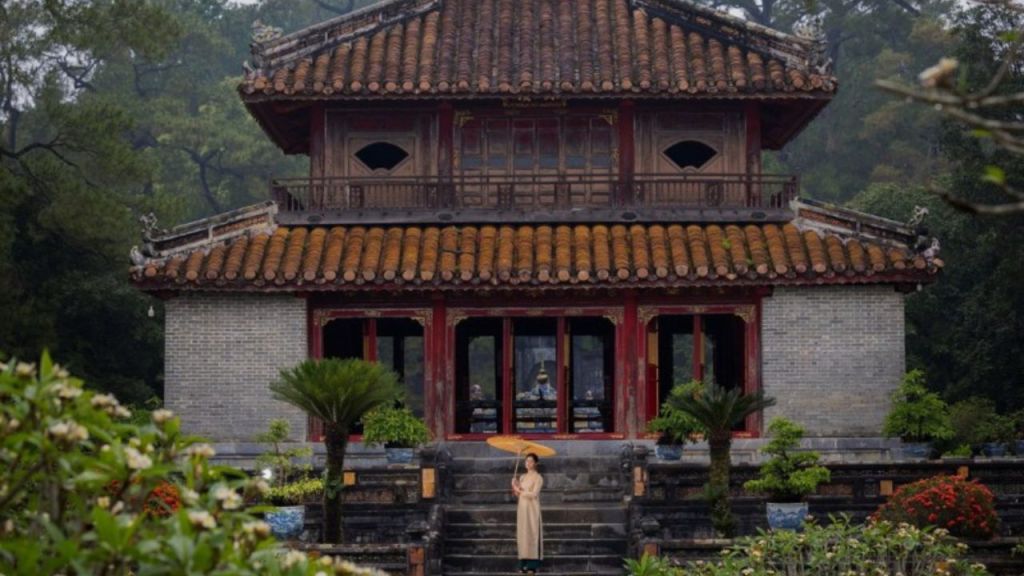
Mausoleum of Minh Mang: A masterpiece of architecture and spiritual imprint of the Nguyen dynasty (Source: Sovaba Travel)
The layout of the mausoleum is likened to a person lying at rest:
- The head rests against Kim Phung mountain
- The feet face the confluence of rivers
- The two Trừng Minh lakes resemble relaxed arms
- The lotus pond in the center emits fragrance, creating vitality
The combination of mountains, water, architecture, and greenery makes the Mausoleum of Minh Mang both majestic and approachable, not heavy but very relaxed.
4. Notable structures not to be missed
4.1 Dai Hong Mon – The ultimate ceremonial gateDai Hong Mon is the main gate to the mausoleum, consisting of three pathways, decorated with dragon clouds and carp transforming into dragons. According to ancient customs, the gate was only opened once to bring the emperor's coffin into the mausoleum, after which it was permanently closed. Today, visitors enter the mausoleum through two side gates – Left and Right Hong Mon.
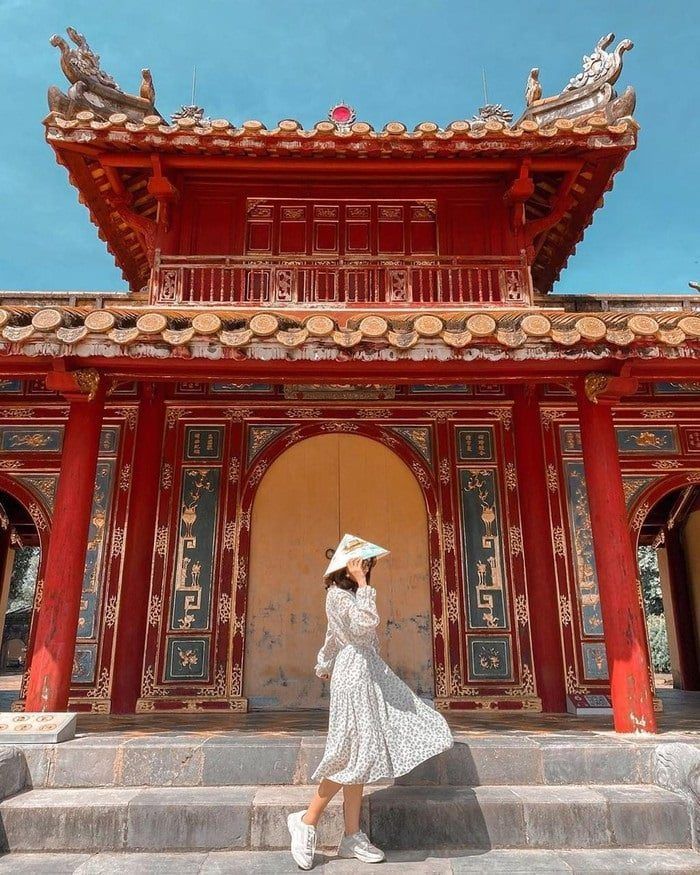
Check-in Hue with Dai Hong Mon - the main gate of the mausoleum with exquisite architecture (Photo: @nguyenhue245)
4.2 Bai Dinh – The solemn space of the court
Through Dai Hong Mon is Bai Dinh, a spacious courtyard paved with Bat Trang tiles. On both sides are statues of civil and military officials, elephants, and horses made of stone standing guard. At the center is the St. Duc Than Cong stele, written by Emperor Thieu Tri, praising the merits of Emperor Minh Mang – one of the most important steles of the Nguyen dynasty.
4.3 Lau Minh Lau – The place of contemplation of the emperor
Located on Tam Dai Son hill, Lau Minh Lau means “bright tower.” The two-story structure with eight roofs has a square architecture, symbolizing wisdom and enlightenment. Behind the tower is the Longevity garden, expressing the desire for eternity.
4.4 Tam Dien Area – The sacred worship space
The Tam Dien area includes Hieu Duc Mon and Sung An temple, where the altars of Emperor Minh Mang and the Empress are worshipped. The atmosphere here is quiet and ancient, opening up to the scenery of lakes, lotus, and greenery – bringing a feeling of tranquility, completely separated from the outside world.
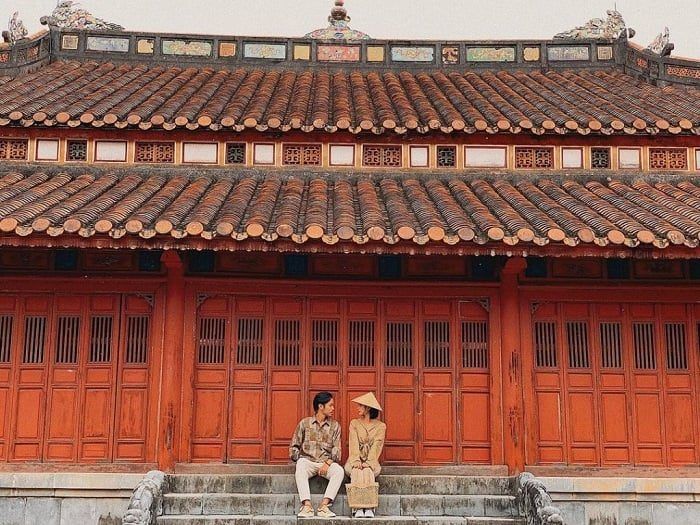
The tranquil and ancient space of the Tam Dien area (Photo: @hyhan.22)
4.5 Tan Nguyet Lake & Thong Minh Chinh Truc Bridge
Tan Nguyet Lake has a crescent moon shape, embracing Buu Thanh – symbolizing the operation of the universe. Crossing the lake is the Thong Minh Chinh Truc bridge, with 33 stone steps leading up to the central area, both soft and solemn.
5. Experience visiting the Mausoleum of Minh Mang
Best time: January–February (early spring), cool weather, little rain
Transportation:
- By road: from Hue city center → QL49 → Tuần bridge → mausoleum
- By river: take a dragon boat on the Perfume River – a very “Hue” experience
Clothing: modest, polite
Attitude: maintain order, respect the sacred space
The Mausoleum of Minh Mang does not overwhelm people at first glance, but gradually convinces with its harmony and depth of thought. It is a place where architecture does not flaunt power, but reflects a philosophy of life: a person is truly great only when they know how to place themselves in the order of heaven – earth – nature.
If you want to understand why Hue is called the capital of depth, take the time to visit the Mausoleum of Minh Mang – where beauty lies in standards, and emotions come from tranquility.
--------------
Source: Vinpearl
Bình Luận:
0