





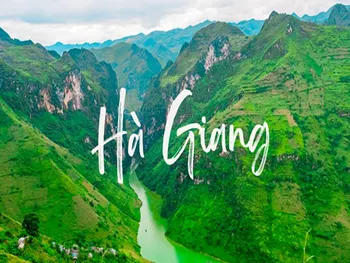
The Journey To The Historical Site Of Tan Trao – A Land Rich In Epic History.
The Journey to the Historical Site of Tan Trao – A Land Rich in Epic History
When it comes to tourism in the northern region, one cannot overlook the Tan Trao historical site – considered the “cradle of the Vietnamese Revolution.” Nestled among the cool green mountains of Tuyen Quang, this land not only preserves many significant historical marks but also embodies the peaceful beauty of Vietnamese countryside. If you want to learn about the heroic history of the nation, let’s explore Tan Trao in this meaningful journey.1. Tan Trao – A Land Linked to the Golden History of the Nation
The Tan Trao historical site is dubbed the “Capital of the Liberation Zone” and “Capital of Resistance” during the years of struggle for national independence. It was once the residence and workplace of Ho Chi Minh along with the Central Party, Government, and many important agencies during the preparation for the August Revolution in 1945.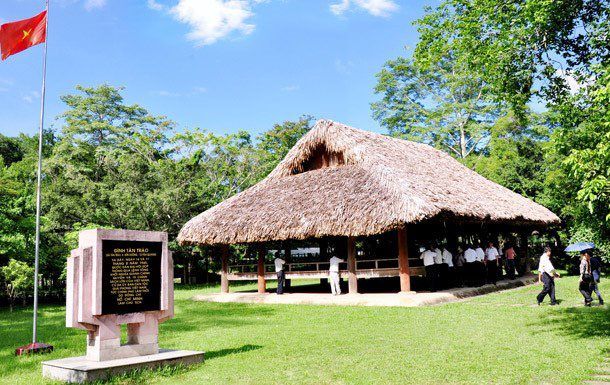
Transforming the Tan Trao tourist area into a leading cultural and historical tourism center of the country (Source: Vietnam National Tourism Administration)
Many important historical events took place in this land, contributing to the victory of the revolution. Landmarks such as Tan Trao Banyan Tree, Tan Trao Communal House, Hong Thai Communal House, and Na Nua Hut have all become sacred historical relics, closely associated with the arduous years of resistance of the nation.
Today, this place is not only a famous tourist destination but also a red address for educating patriotic traditions for generations.
2. Visiting Tan Trao: Tips for You
2.1 Where is the Tan Trao Historical Site?The Tan Trao historical site is located in Son Duong district, Tuyen Quang province, about 40km from the center of Tuyen Quang city.
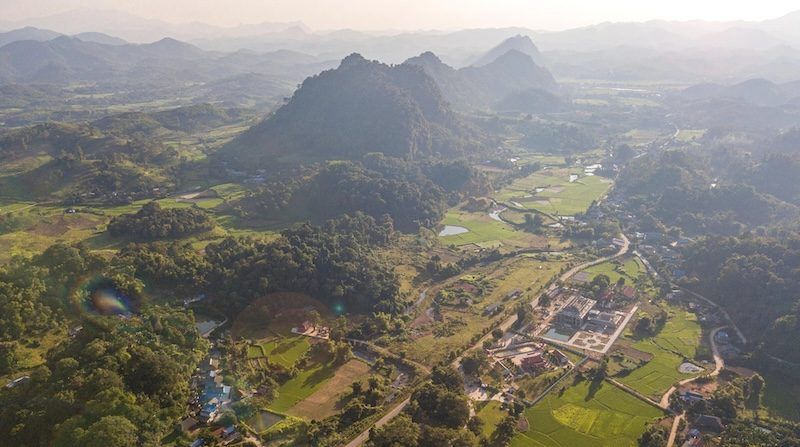
The site is situated amidst majestic mountains, surrounded by Hong Mountain and the gentle Pho Day River. Thanks to its secluded location, it was chosen as a revolutionary base during the years of resistance.
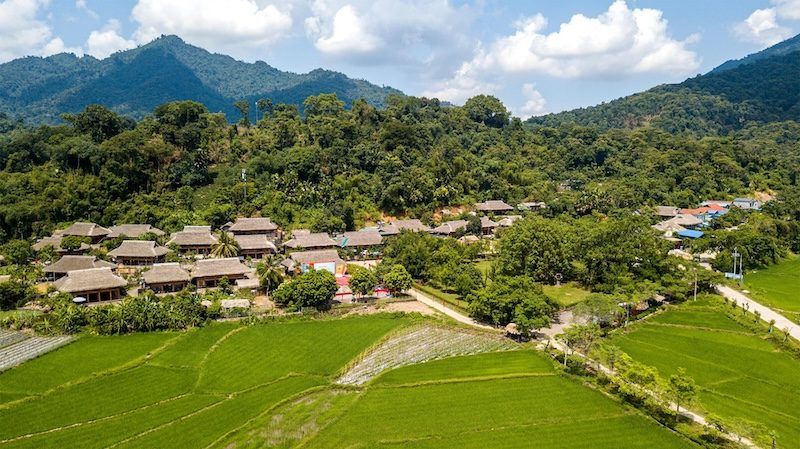
Tan Trao is a historical land linked to the years of resistance of our ancestors. (Photo: Wikipedia)
Today, when you set foot in Tan Trao, you will feel the peaceful atmosphere of the mountainous countryside with stilt houses, small tree-lined paths, and fresh air.
2.2 How to Get to Tan Trao
To reach the Tan Trao historical site, visitors can choose various means of transportation such as motorbikes, self-driving cars, or passenger buses.
Traveling by motorbike or self-driving car
From Hanoi, you can follow this route:
Hanoi → National Highway 2 → Tuyen Quang city → Son Duong district → Tan Trao
The distance is about 150km and takes approximately 3–4 hours to travel.
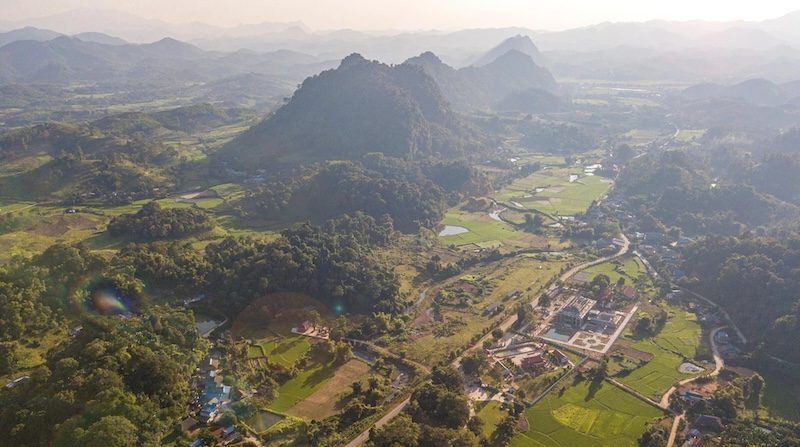
Hidden in the wild forest, the Tan Trao historical site boasts a prime location surrounded by Hong Mountain and Pho Day River. (Photo: Ho Chi Minh Museum)
Traveling by passenger bus: You can catch a bus at My Dinh Bus Station on the Hanoi – Tuyen Quang route. Ticket prices usually range from 100,000 to 200,000 VND/one way. After arriving in Tuyen Quang city, you can hire a taxi or motorbike to continue to Tan Trao.
2.3 The Ideal Time to Visit Tan Trao
The best time to visit the Tan Trao historical site is from September to November.
During this time, the weather in Tuyen Quang is quite cool, the sky is clear, and there is little rain, making it very convenient for outdoor sightseeing. Additionally, this is also the season for the Tuyen Quang Mid-Autumn Festival, one of the largest and most distinctive festivals in the North, featuring giant colorful lantern models.
3. Famous Landmarks in Tan Trao
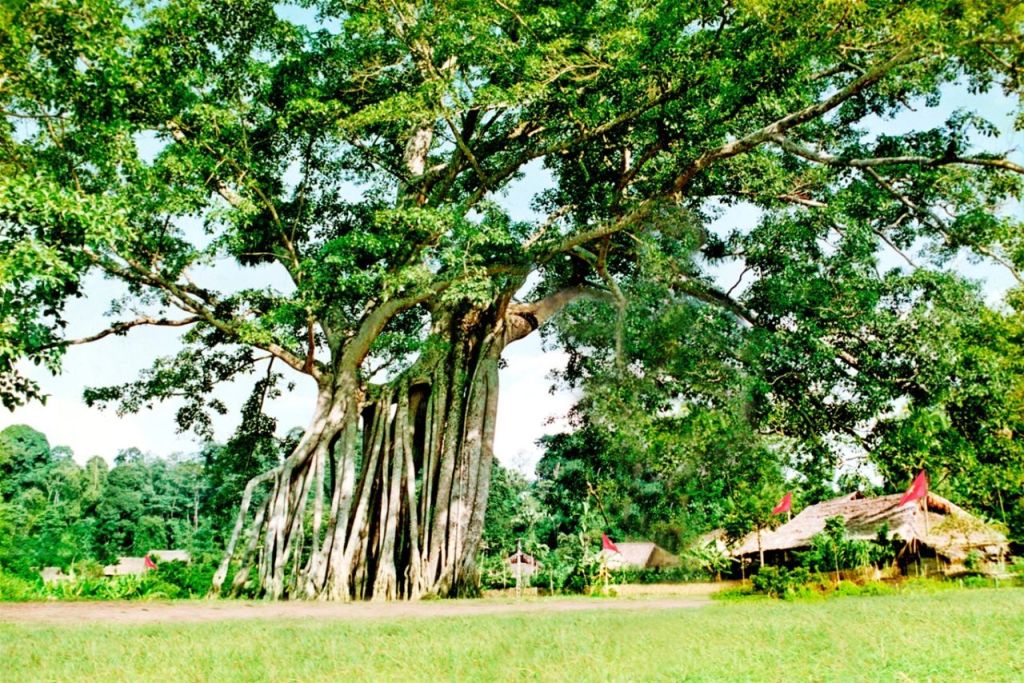
3.1 Tan Trao Banyan Tree – A Historical SymbolThe Tan Trao Banyan Tree is one of the sites with special historical significance at the historical site.
The tree has two large branches reaching high, affectionately called the male banyan tree and the female banyan tree by the locals. Its wide canopy provides a very peaceful space.
However, what makes this banyan tree famous is the historical event that took place here: on August 16, 1945, Vo Nguyen Giap read Military Order No. 1 under the tree, ordering the liberation army to advance to Hanoi, marking the beginning of the victory of the August Revolution in 1945.
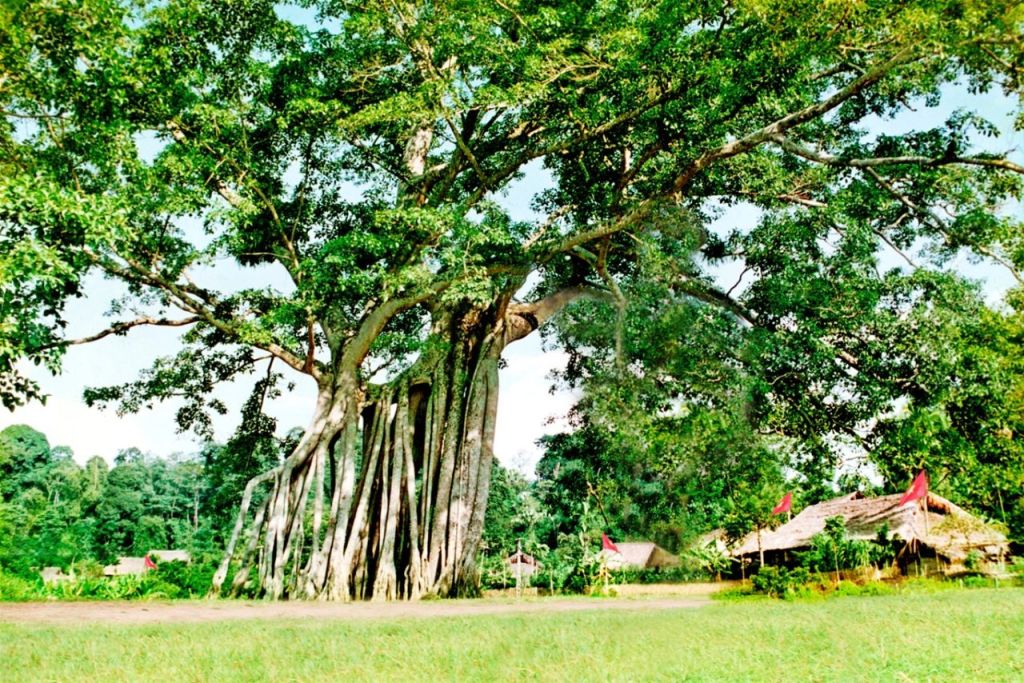
The Tan Trao Banyan Tree is one of the sites with special historical significance at the historical site. (Source: mytuyenquang.vn)
3.2 Tan Trao Communal House
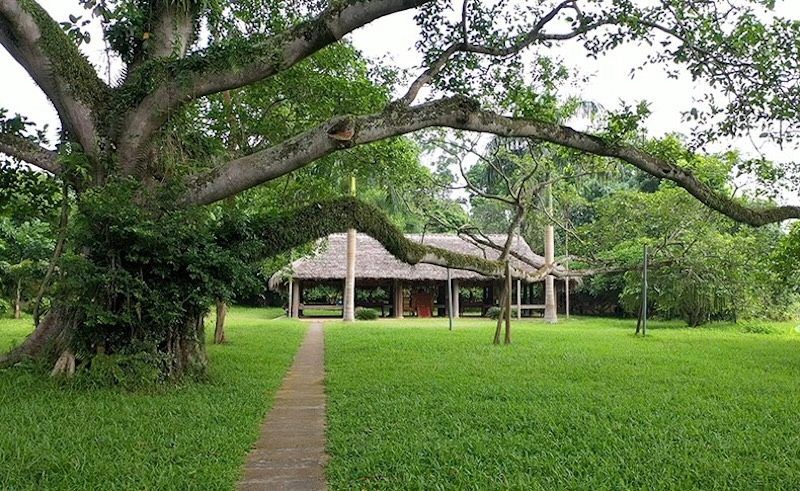
The Tan Trao Communal House (also known as Kim Long Communal House) is an architectural structure rich in traditional Vietnamese style.
The communal house is built in the stilt house style, located on a high foundation surrounded by ancient trees. It was once the venue for many important meetings of revolutionary leaders during the preparation for the general uprising.
Today, the Tan Trao Communal House has become a famous tourist attraction, attracting many visitors and delegations.
3.3 Hong Thai Communal House
The Hong Thai Communal House is located in Hong Thai village, associated with the historical event when Ho Chi Minh returned to the country after more than 30 years of wandering to find a way to save the nation.
The communal house features simple architecture but contains immense historical value. When visiting here, tourists can see firsthand the remnants linked to the life and revolutionary activities of Uncle Ho.
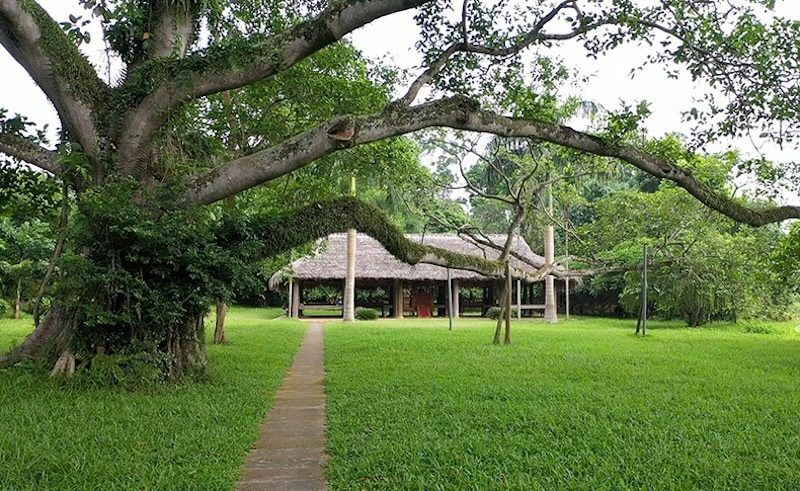
The Hong Thai Communal House is a historical relic associated with the event of Uncle Ho returning to the country after 30 years abroad. (Photo: Ho Chi Minh Museum)
3.4 Na Nua Hut
The Na Nua Hut is located at the foot of Na Nua Mountain, amidst the cool green trees.
This is where Ho Chi Minh lived and worked during the preparation for the General Uprising in 1945. The hut was built of bamboo and leaves, simple but linked to important historical decisions of the nation.
When visiting this place, tourists will have a clearer understanding of Uncle Ho's simple life during the years of resistance.
3.5 Tan Trao Police Station
The Tan Trao Police Station was the headquarters of the People's Public Security of Vietnam during the resistance period.
Here, the revolutionary police force organized many important activities to protect the leader and maintain security for the Tan Trao base.
Today, this site is still preserved as an important part of the historical site.
4. What to Eat When Visiting Tan Trao?
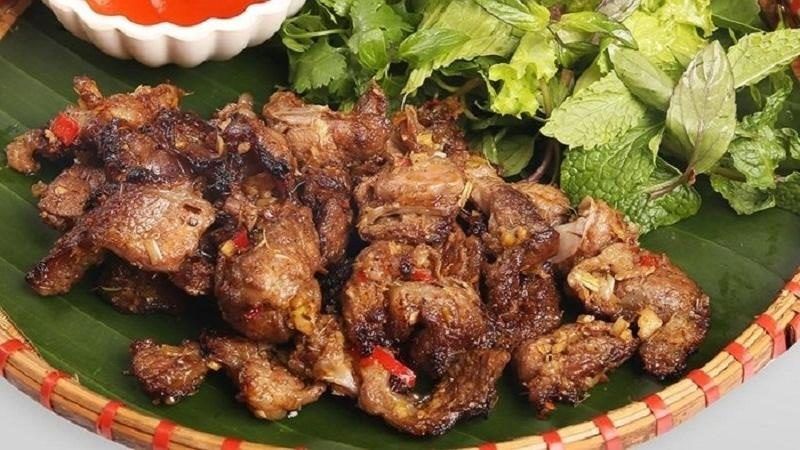
After visiting the Tan Trao historical site, don’t forget to enjoy the famous specialties of Tuyen Quang such as: grilled black pork, grilled stream fish, Chiêm Hóa fish sauce, Na Hang corn wine, and Hàm Yên oranges.These dishes, rich in the flavors of the mountains and forests, will make your trip even more memorable.
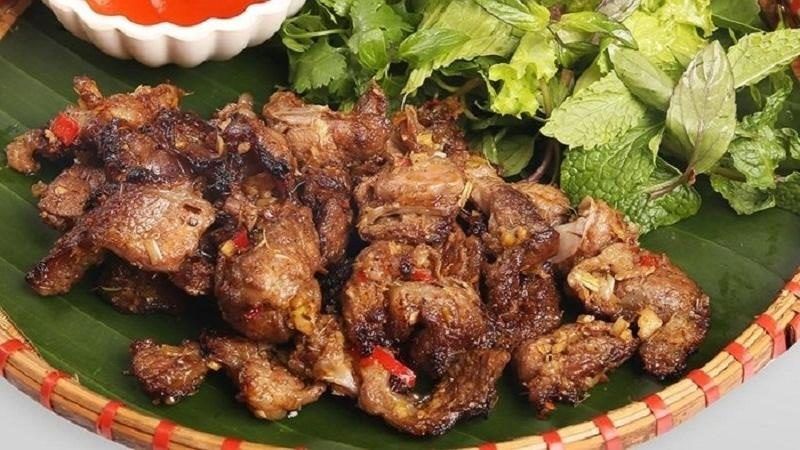
Grilled black pork is a dish you can enjoy when visiting Tan Trao. (Photo: Tan Trao Historical Site)
5. Some Notes When Visiting Tan Trao
When visiting the Tan Trao historical site, you should pay attention to:- Maintain general hygiene, do not litter
- Do not vandalize or damage historical relics
- Choose polite and appropriate clothing when visiting
- Bring hats, caps, and sunscreen when walking around
- Keep quiet, avoid loud conversations that affect the common space
The Tan Trao historical site is not only a tourist destination but also a symbol of the patriotic spirit and the heroic history of the Vietnamese nation. The journey to this land will help you understand more about the arduous years of resistance and appreciate the value of today’s peace.
If you have the chance to visit Tuyen Quang, take the time to explore Tan Trao to feel the historical and natural beauty of this heroic land.
-------------
Source: MIA.vn
Bình Luận:
0