






Hang Táu And The Story Of Sustainable Tourism In The Heart Of Moc Chau
In recent years, Hang Táu has become one of the most mentioned destinations in Mộc Châu. People come here for the pristine scenery, for the wooden houses peacefully nestled in the valley, for the innocent Hmong children playing in the meadows, or simply to experience the "3 no's" lifestyle: no grid electricity, no mobile phone signal, no wifi.
But perhaps the most valuable thing about Hang Táu that I have seen over the years is not the scenery. What makes this place special is how the local people and authorities work together to build a sustainable community tourism model, preserving the original values instead of sacrificing identity for mass tourism.
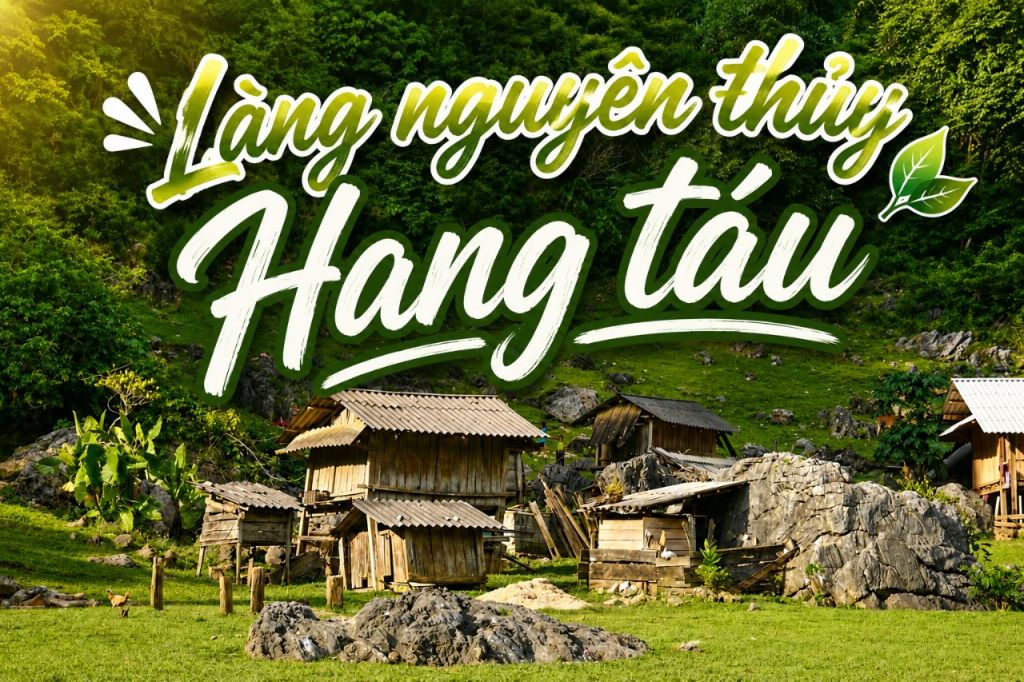
Doing tourism without losing identity
Many famous tourist spots, once known, quickly see concrete constructions, shops springing up closely together, spontaneous services, and the landscape gradually changing.
Hang Táu, however, takes a different direction.
Despite the increasing number of visitors, the village still retains its original appearance. There are no modern concrete houses appearing in the valley. There are no colorful billboards or constructions disrupting the landscape.
The entire space remains filled with traditional wooden houses of the Hmong people nestled at the foot of the mountain. The vast green meadows are still where herds of horses and cows leisurely graze, just like many years ago.
That is something not every tourist destination can achieve.
The whole village works together in tourism like a cooperative
One of the most special points in Hang Táu is that the locals participate in tourism instead of letting the benefits concentrate in a few individuals.
Here, specialized groups have formed, such as the motorbike taxi group, the guest reception group, the cooking group, the souvenir selling group, and the ticket management group...
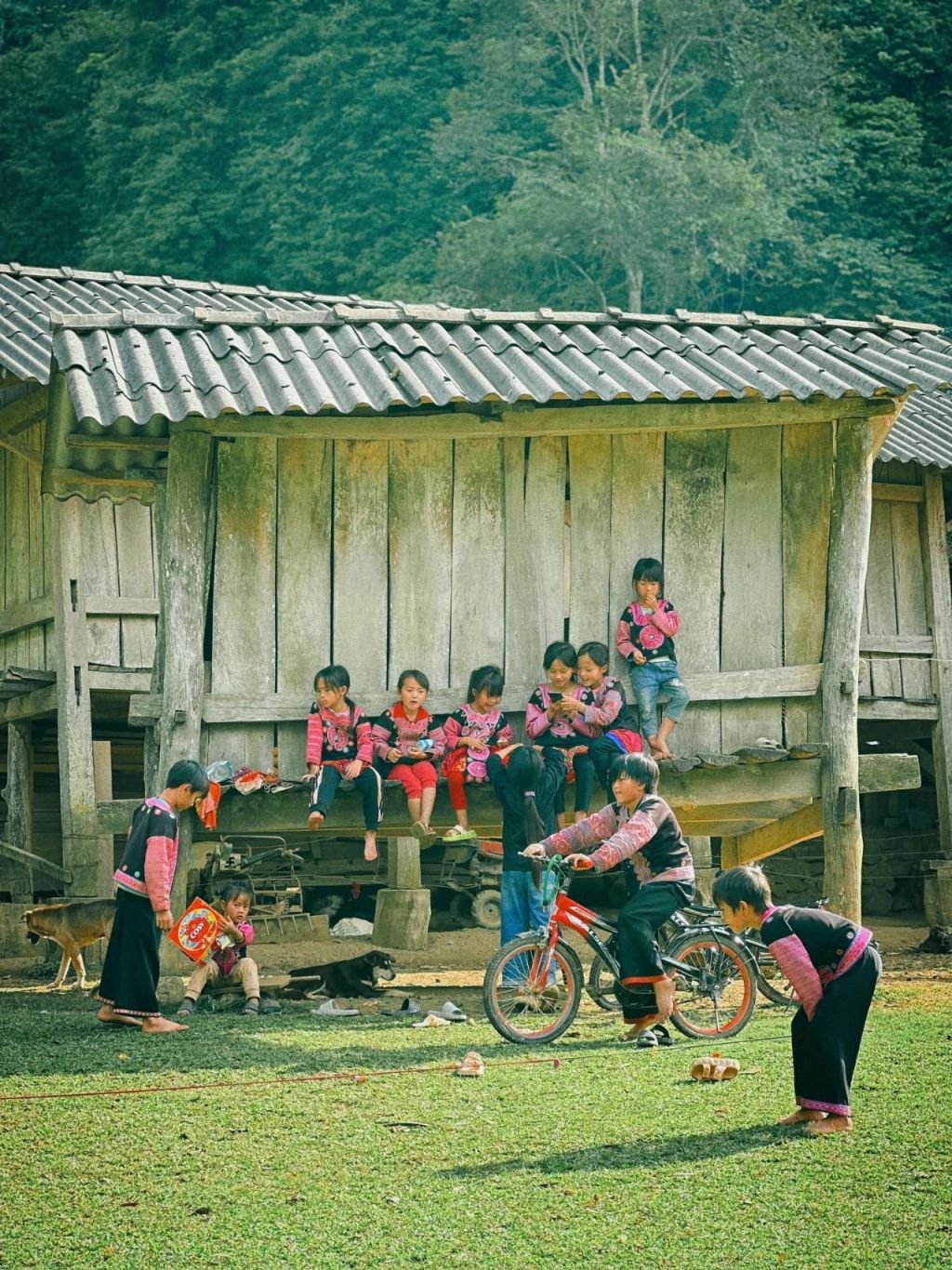
Everyone has a job but shares the common goal of developing tourism and improving the lives of the entire community.
The motorbike taxi drivers do not compete for customers. Guests are allocated in turns so that everyone has a chance to work and earn income. This helps limit unhealthy competition and creates a civilized image in the eyes of tourists.
Even the motorbike taxi drivers in the village wear traditional Hmong clothing, creating a unique impression while also promoting local culture.
Residents are trained to do tourism professionally
From the very beginning of developing community tourism, local authorities have coordinated with specialized agencies to organize training classes for the residents.
People are guided on skills for welcoming guests, serving food and drinks, protecting the environment, maintaining general hygiene, and how to behave civilly in tourism activities.
This helps Hang Táu not develop in a spontaneous manner but gradually build a professional image while still retaining the genuine characteristics of the highland people.
Visitors here can still feel the simplicity and honesty of the local people while also receiving enthusiastic and civilized support and guidance.
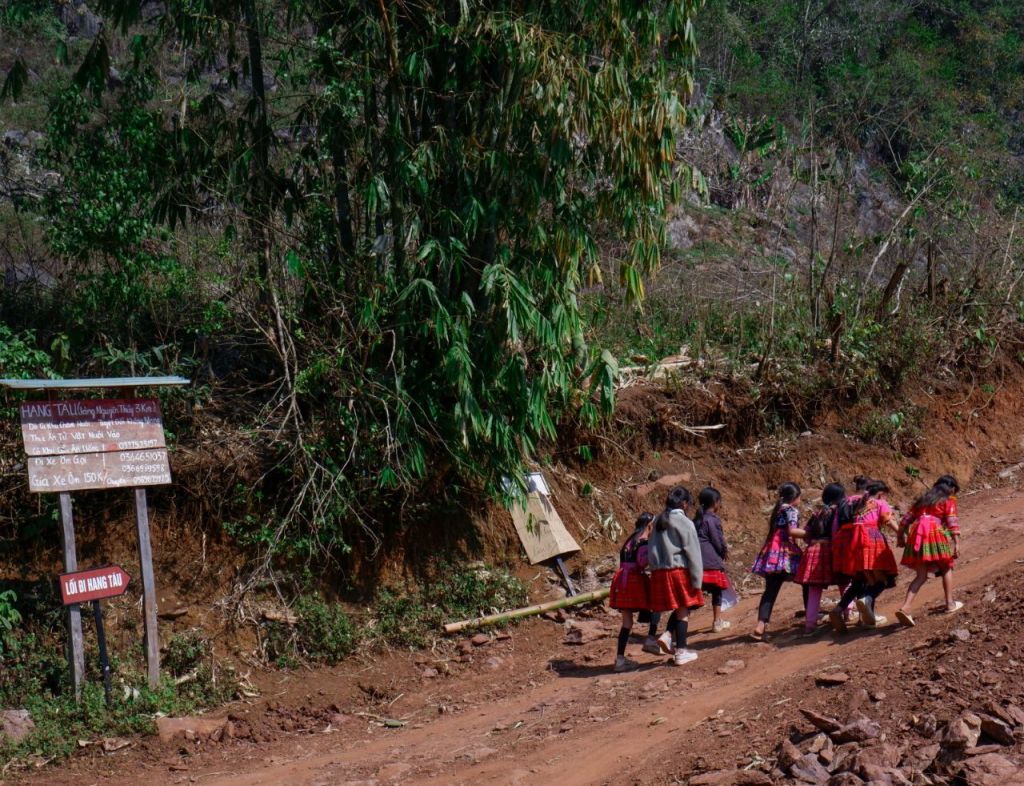
Do not give money to children – A small lesson for long-term development
One of the principles that the local authorities frequently remind tourists is not to give money to the children in the village.
At first glance, this may seem simple, but it is one of the important factors that help protect the cultural environment of the community.
If children get used to receiving money from tourists, over time, it will create a mentality of dependence, begging, or even following tourists around. This has happened in many highland tourist spots.
In Hang Táu, the locals and local authorities work together to prevent this from the beginning so that children can still grow up with their childhood, playing freely instead of chasing after tourists.
That is a small action but carries great significance for sustainable development.
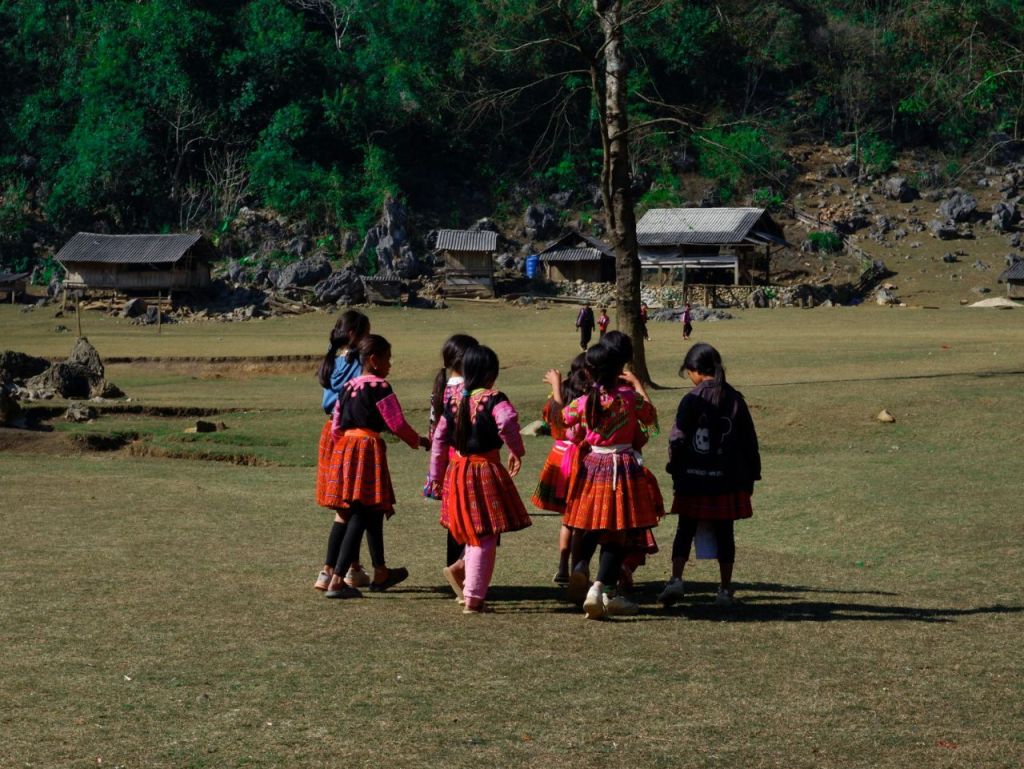
Surprisingly clean environment
What surprises many tourists when they come to Hang Táu is that there is almost no visible trash.
Even though many visitors come every day, the meadows, roads in the village, and the sightseeing areas still maintain a rare cleanliness.
There are no piles of trash left behind after picnics. No plastic bottles or bags scattered across the meadows.
This cleanliness comes not only from management efforts but also from the awareness of the locals and tourists when they step foot in this place.
No overcharging, no aggressive selling
One of the reasons many people feel positively about Hang Táu is the transparency in services.
Services such as motorbike taxis, costume rentals, horse rentals, food and drink, or entrance tickets are all clearly priced.
Tourists can comfortably choose services without worrying about being overcharged or facing unreasonable price hikes.
The locals also do not aggressively sell to customers, nor do they create pressure to buy goods or use services.
It is this sincerity and kindness that makes many people feel comfortable and want to return.
Preserving the beauty of the early days
The most valuable thing about Hang Táu is that although it has become famous, it still retains the image that tourists loved from the very beginning.
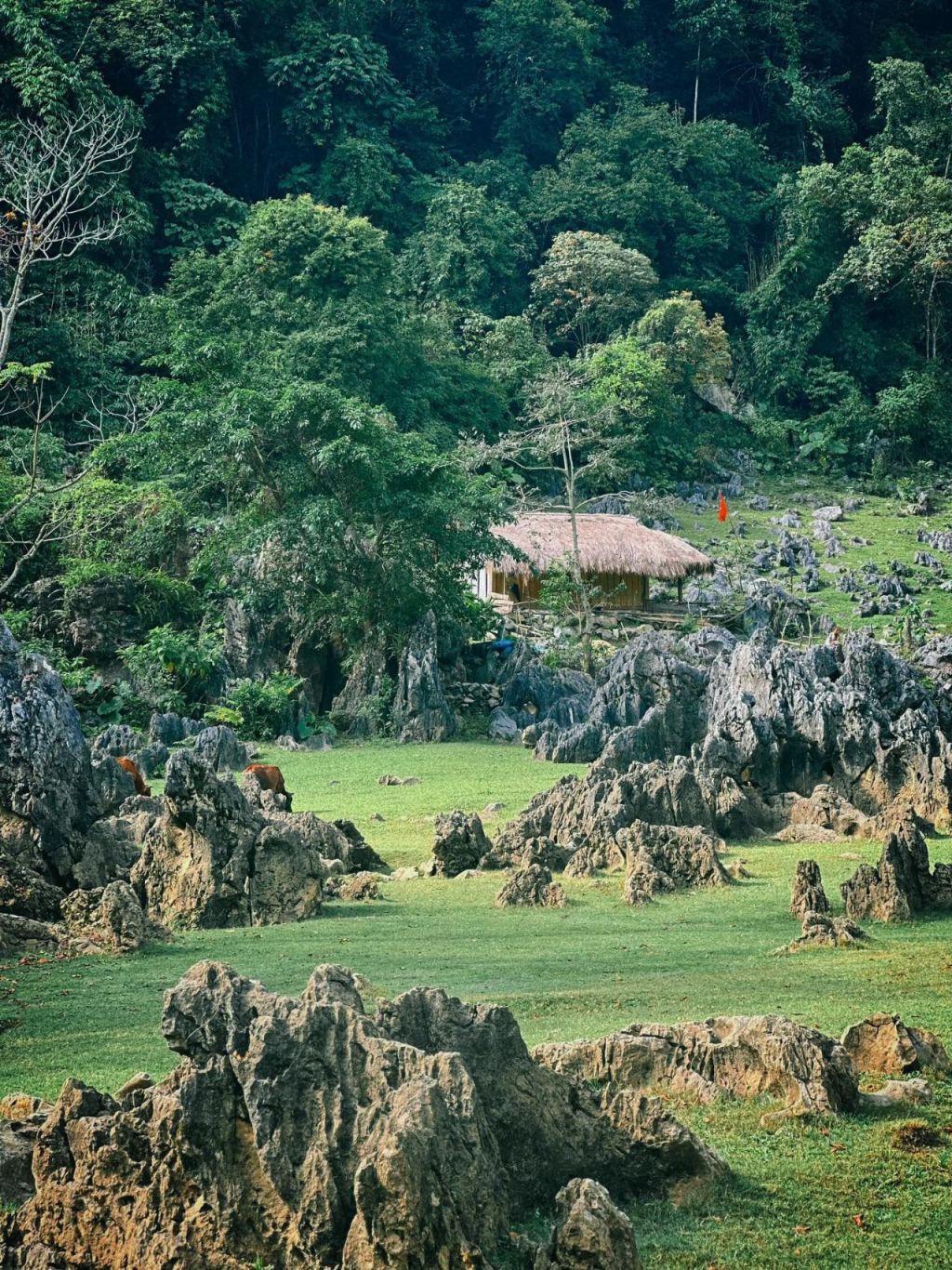
It is still the simple wooden houses in the valley. It is still the herd of horses grazing on the wide land. It is still the Hmong children with rosy cheeks running under the sun.
That space is not tainted by modern constructions or excessive tourism services.
That is perhaps the greatest success of those who do tourism in Hang Táu.
Sustainable tourism is not about rapid development
The story of Hang Táu shows that sustainable tourism does not necessarily mean building many more constructions or welcoming a large number of visitors.
Sometimes, success lies in knowing how to preserve one’s inherent values.
Preserving the pristine landscape.
Preserving local culture.
Preserving the authenticity of the people.
Preserving a clean environment.
And most importantly, ensuring that local people truly benefit from tourism.
Perhaps that is why, amidst many destinations that are changing day by day, Hang Táu remains a place that people want to return to. Not just to admire the scenery, but also to experience a kind, civilized, and sustainable way of doing tourism in the vast Northwest.
Bình Luận:
0