





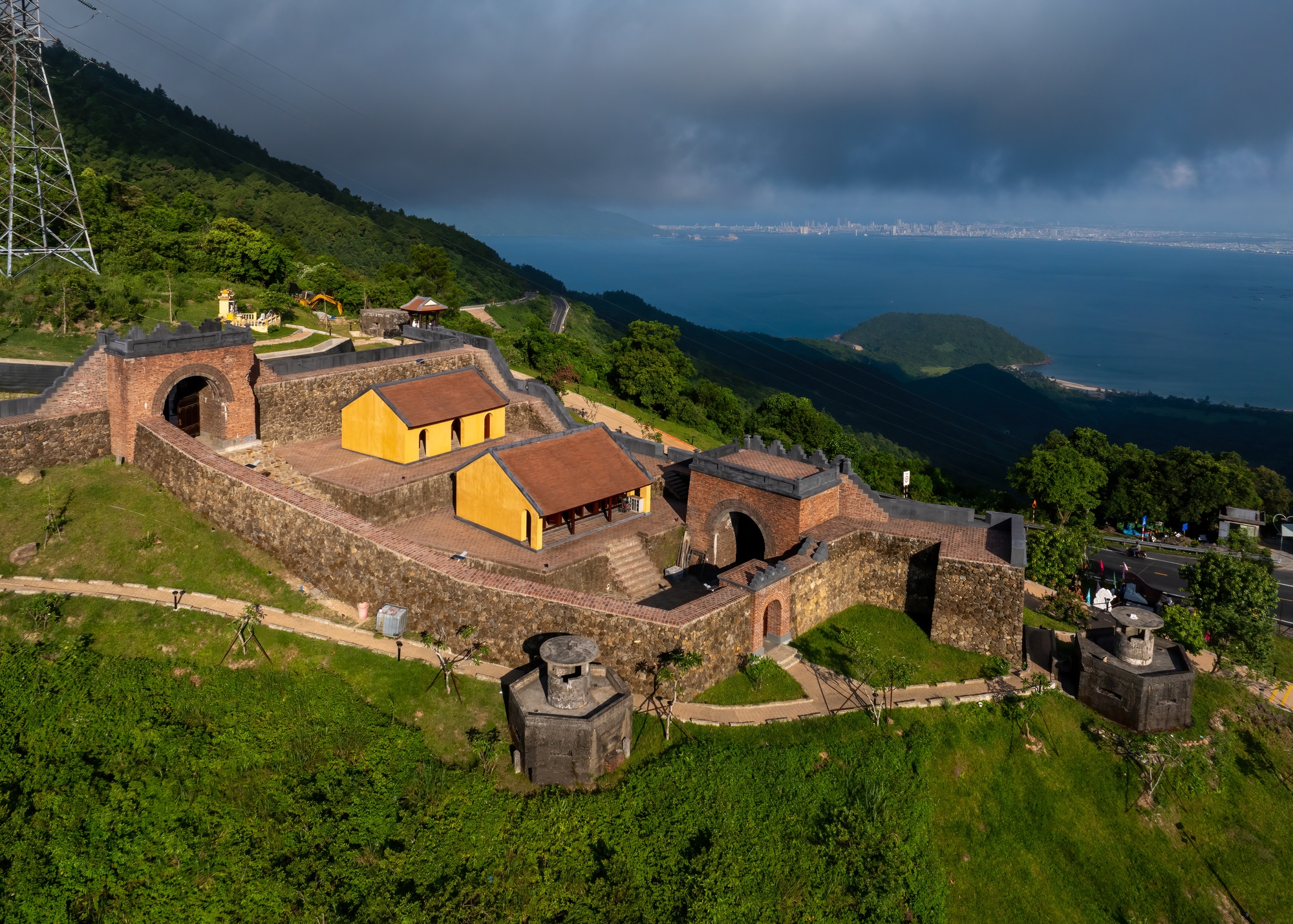
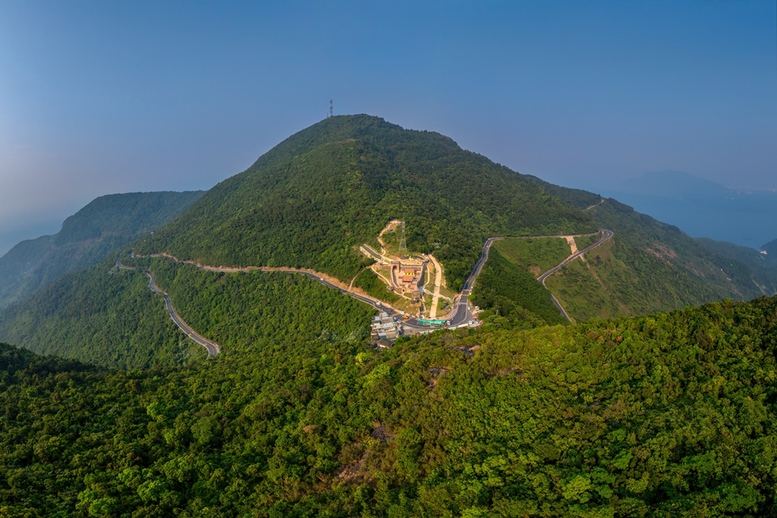
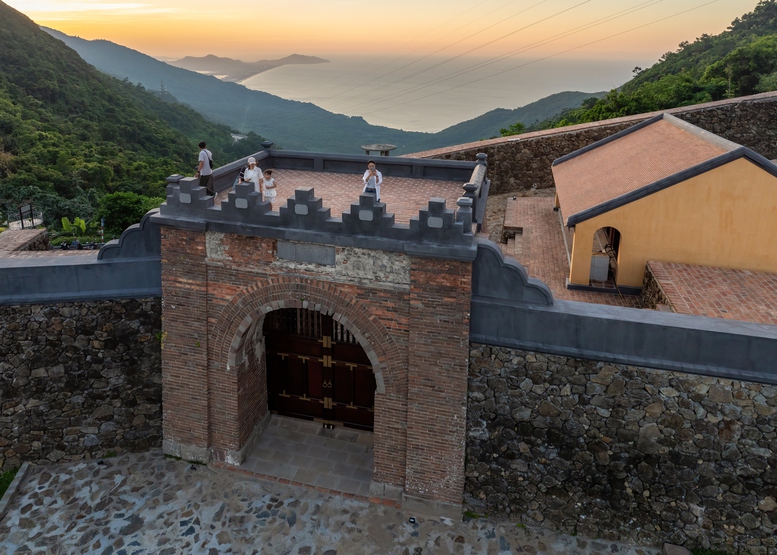
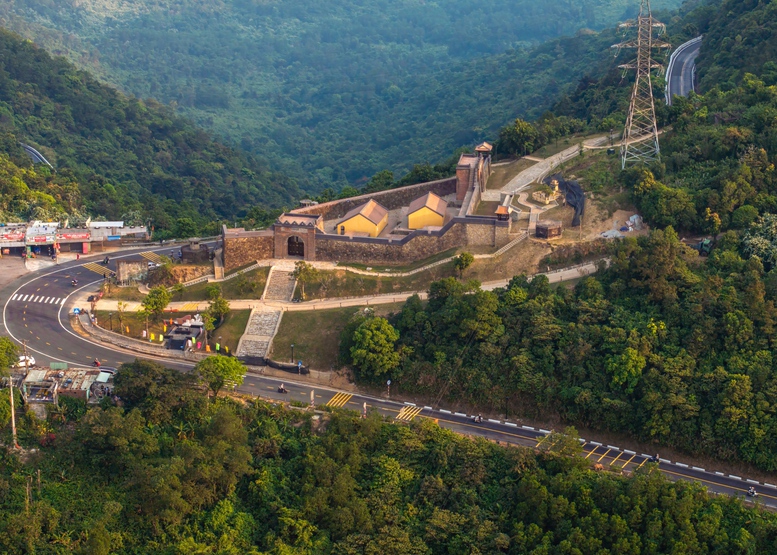
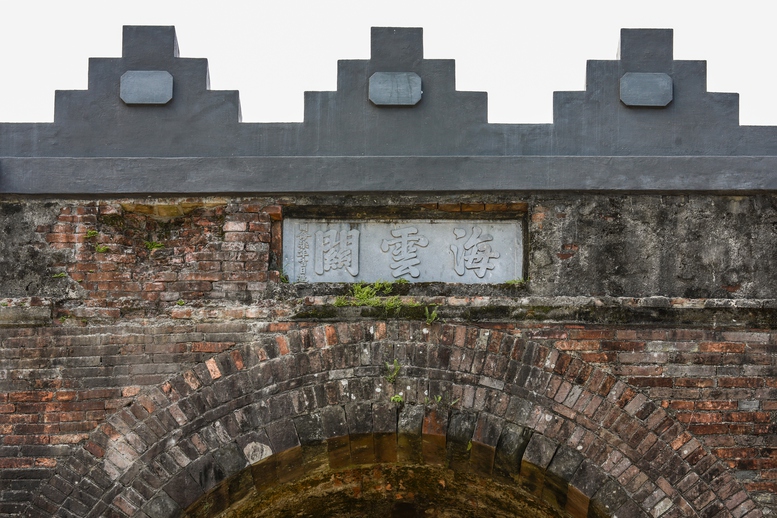
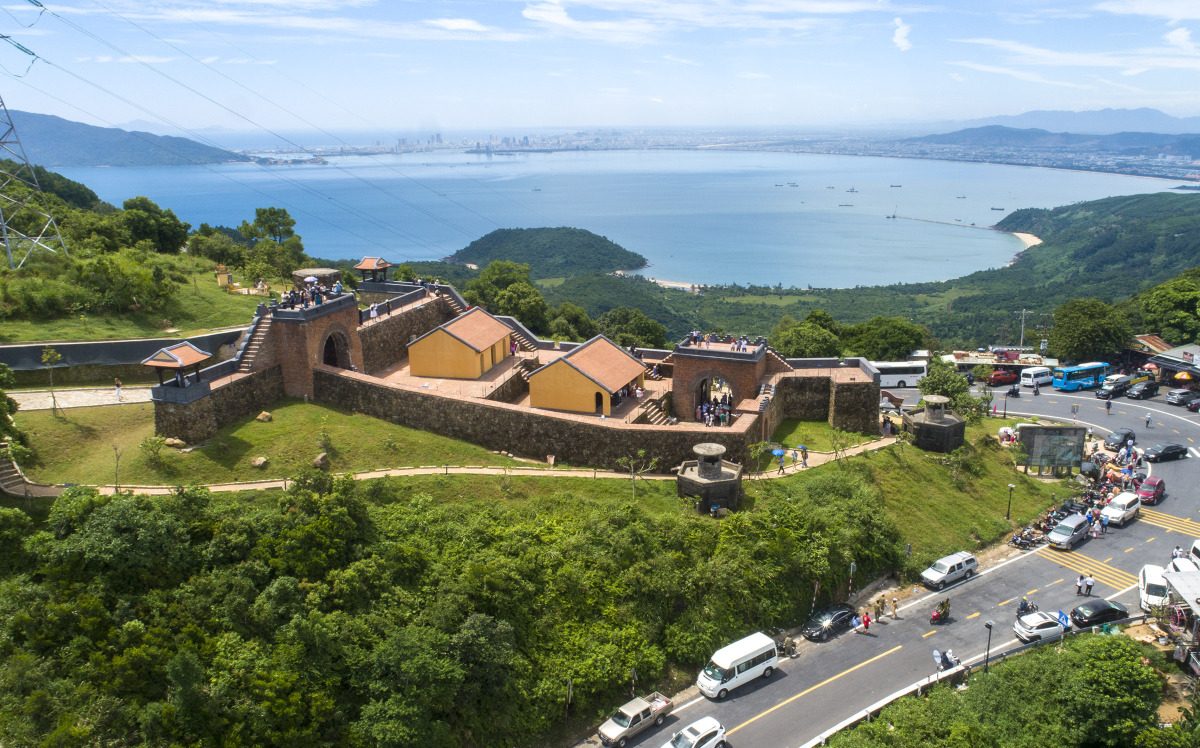
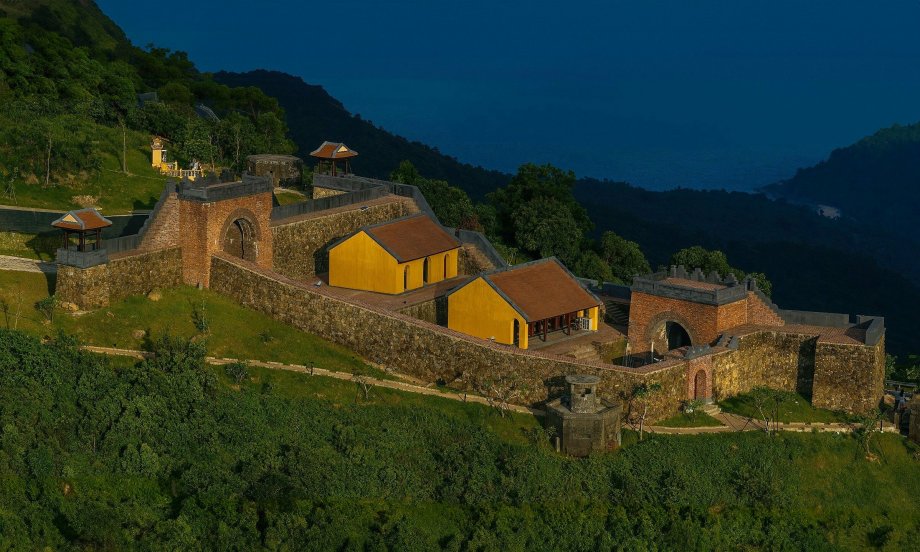
हाई वân की चोटी पर - दा नांग और ह्यू के बीच प्राकृतिक सीमा - एक द्वार खड़ा है जो दो सदी से अधिक समय से वहां है, समुद्री हवा और पर्वतीय बादलों का सामना कर रहा है: हाई वân क्वान। इसे सम्राट मिन्ह मांक ने 1826 में बनवाया था, और इसे "विश्व का सबसे महान द्वार" के रूप में मान्यता दी गई थी और अब यह 2024 में पुनर्स्थापना के बाद राष्ट्रीय विरासत स्थल है।
मुख्य मेहराब के द्वार से बाहर देखते हुए, एक तरफ दा नांग की शांत नीली खाड़ी है, और दूसरी तरफ लाप एन - लंग को की धुंधली झील है। धूप वाले दिनों में, बादल लोगों के सिर के ऊपर से धीरे-धीरे गुजरते हैं, जबकि नम दिनों में, बारिश की बूंदें हर काई वाले पत्थर पर गिरती हैं। पीछे की ओर चढ़ने पर किले, किलों, और सुरंगों का एक पूरा नेटवर्क मिलेगा जो पूरी तरह से सुरक्षित है - कई पीढ़ियों के निशान, न्गुएन राजवंश से लेकर, प्रतिरोध और वियतनाम युद्ध के बाद तक।
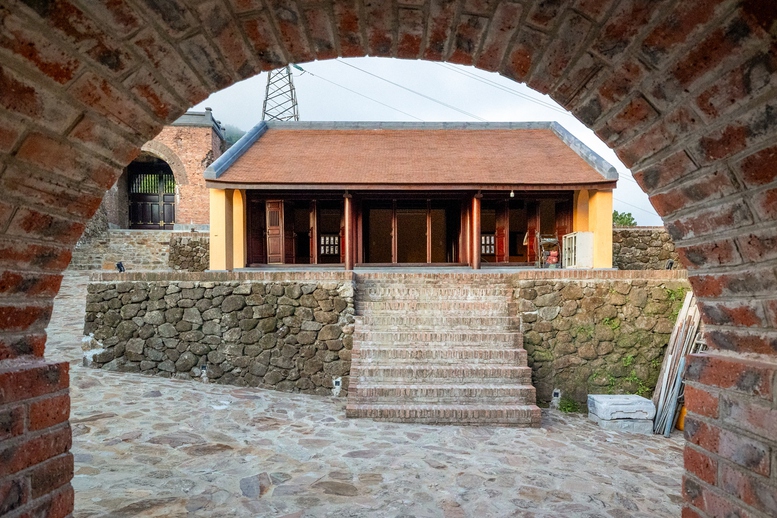
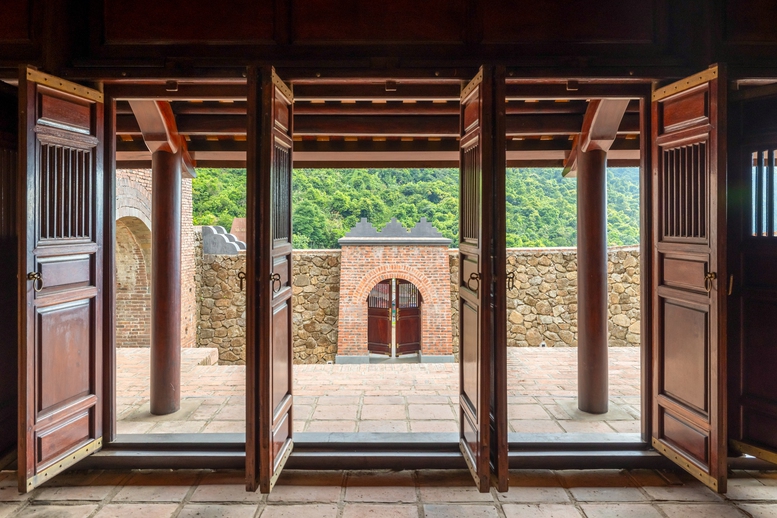
अब परिसर को जंगली घास से साफ किया गया है, हरे पत्थरों से फिर से सजाया गया है, चार स्तंभों के द्वार को पुनर्निर्मित किया गया है और दो भाषाओं - वियतनामी और अंग्रेजी में व्याख्या की गई है। पर्यटक दक्षिण में हाई वân क्वान से उत्तर में थियेन हा डे न्हत हùng क्वान तक 30 मिनट में आसानी से चल सकते हैं; रास्ते में सम्राट थियू त्रि द्वारा लिखित प्राचीन पत्थर की शिलालेख मिलेंगे।
अनुभव: दा नांग के केंद्र से मोटरसाइकिल से जाने में लगभग 45 मिनट (22 किमी) लगते हैं, सुबह जल्दी जाने का चयन करें ताकि घने बादलों और ट्रैफिक से बचा जा सके। यदि पहाड़ी पर ड्राइव करने में संकोच है, तो माई खे क्षेत्र से खुली जीप टूर ले सकते हैं। द्वार के पास एक छोटी दुकान है जो गन्ने का रस, चावल के पेपर और भुने हुए मकई बेचती है - यह मीठा और ताज़ा स्वाद वातावरण के लिए बहुत उपयुक्त है। हल्की जैकेट, धूप का चश्मा और कैमरा ले जाना न भूलें - यहां हर कदम पर एक अलग तस्वीर का दृश्य है। हाई वân क्वान केवल एक चेक-इन स्थान नहीं है, बल्कि यह वह जगह है जहां हर व्यक्ति एक बार ध्यान से देखता है, क्योंकि मध्य वियतनाम में ऐसा कोई अन्य स्थान नहीं है जो पहाड़, समुद्र और दो सौ वर्षों का इतिहास एक ही पत्थर के दरवाजे में समेट सके।
सामग्री AI द्वारा संकलित की गई है। चित्रण: iVIVU.com। संदर्भ जानकारी: वियतनामी विकिपीडिया, दा नांग पर्यटन सूचना पोर्टल (danangfantasticity.com) और देश के प्रतिष्ठित पर्यटन साइटें।

टिप्पणी
0