






Traveling To Khe Sanh: Touching The Historical Land Amidst The Vast Trường Sơn Mountains.
Khe Sanh Travel: Touching the Historical Land in the Great Trường Sơn Mountains
Khe Sanh is not only a landmark associated with the heroic pages of the nation’s history, but also a lush highland area where nature and history blend in the majestic Trường Sơn mountains. Khe Sanh travel takes visitors on a special journey: listening to the echoes of the past through war relics while enjoying the peaceful beauty of mountains, skies, and rustic villages.
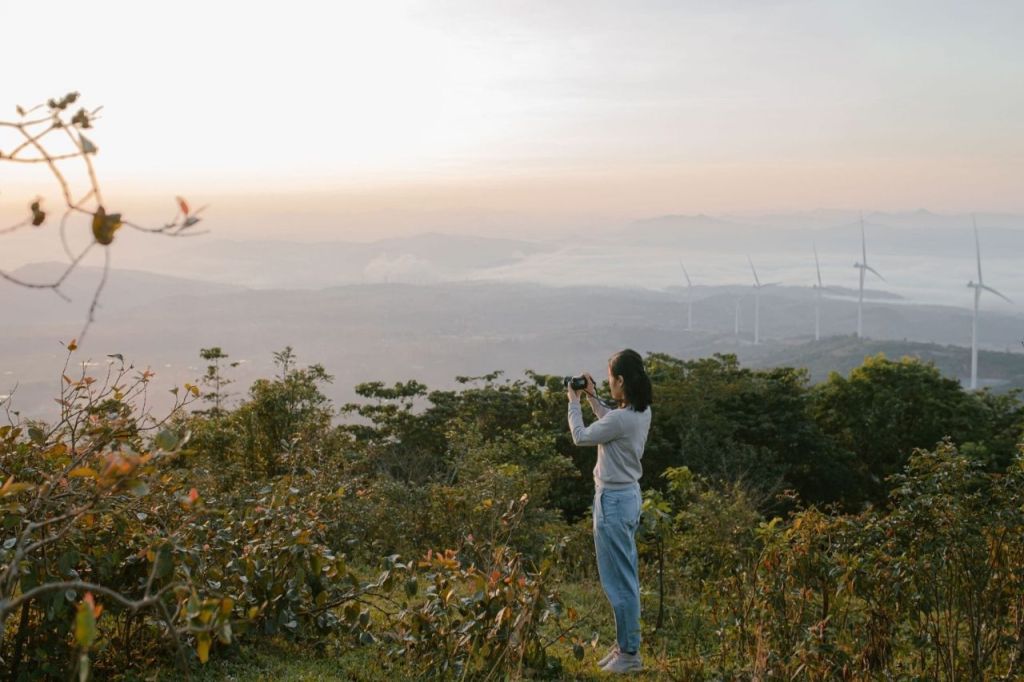
Khe Sanh Travel - Touching the Historical Land in the Great Trường Sơn Mountains
If you are looking for a destination that is both serene and unique in Central Vietnam, Khe Sanh is the place to touch history and fully feel the breath of nature.
1. Where is Khe Sanh?
Khe Sanh is the capital of Hướng Hóa district, Quảng Trị province, Vietnam, located about 63 km west of Đông Hà city. This landmark is situated in the high mountainous region of the Trường Sơn range, near the border with Laos, just about 6 km to the east. With an average altitude of about 400-500 meters above sea level, Khe Sanh enjoys a cool climate year-round, surrounded by pristine forests and spectacular mountain passes like National Route 9 (now part of the Ho Chi Minh Trail).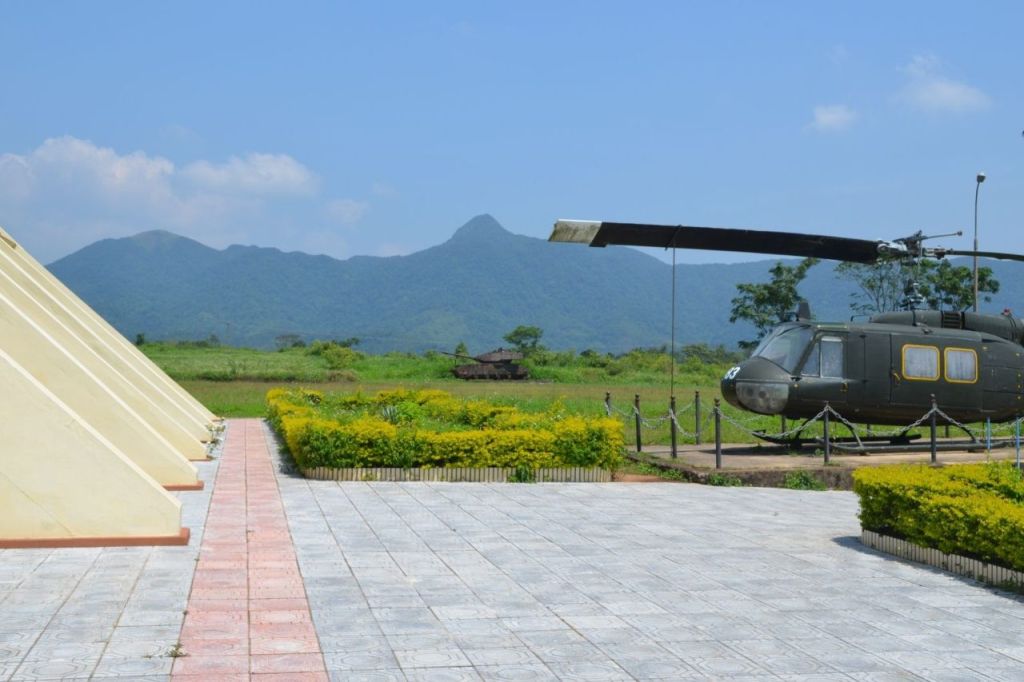
Photo: Visiting the Tà Cơn Airport Historical Site
This strategic location once made Khe Sanh a hotspot in history, but today, it is a gateway for tourists to access DMZ (Demilitarized Zone) tours and explore the western Quảng Trị region. If you are planning to travel to Khe Sanh, remember that it is about 140 km from Huế and about 185 km from Phong Nha, making it convenient for combined trips.
2. The History of Khe Sanh
The history of Khe Sanh is closely linked to Vietnam's resistance against American imperialism, especially the Battle of Khe Sanh in 1968 - one of the largest and longest battles in the war. The battle began on January 21, 1968, and ended on July 9 of the same year, involving the U.S. Marine Corps and the Vietnam People's Army. The Khe Sanh base was established in 1962 by U.S. Special Forces, located about 14 km south of the DMZ, to control Route 9 and prevent infiltration from North Vietnam.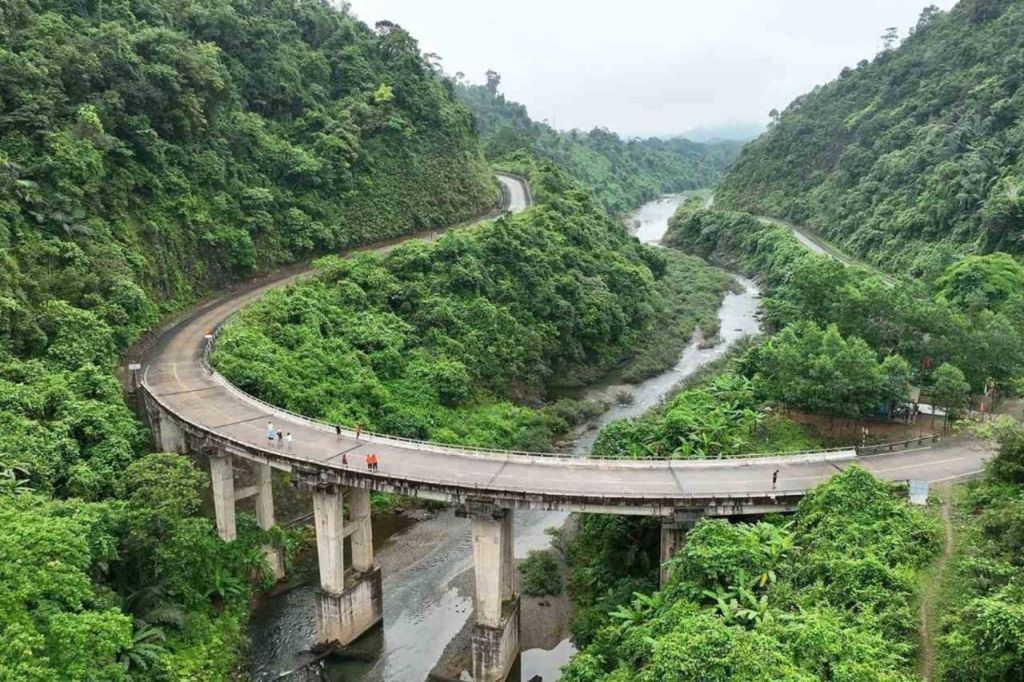
Photo: Admiring the majestic Trường Sơn Mountains
The battle lasted 77 days with intense shelling, making Khe Sanh a symbol of resilience. It is estimated that the U.S. dropped over 100,000 tons of bombs in this area, but ultimately, the base was besieged, and U.S. forces had to withdraw. Today, Khe Sanh tourism helps visitors gain a deeper understanding of history through relics like Tà Cơn airport and museums that preserve heroic stories and lessons about peace.
3. When is the Best Season to Travel to Khe Sanh?
The best season to travel to Khe Sanh is from February to August, when the weather is dry and warm, ideal for outdoor exploration and avoiding floods. During this period, temperatures range from 20-30°C, with little rain, making it easy to visit relics and trek in the forests. If you enjoy the cool atmosphere and cloud hunting, visit from December to March, when early mornings often have a sea of clouds drifting over the mountains, creating a magical landscape.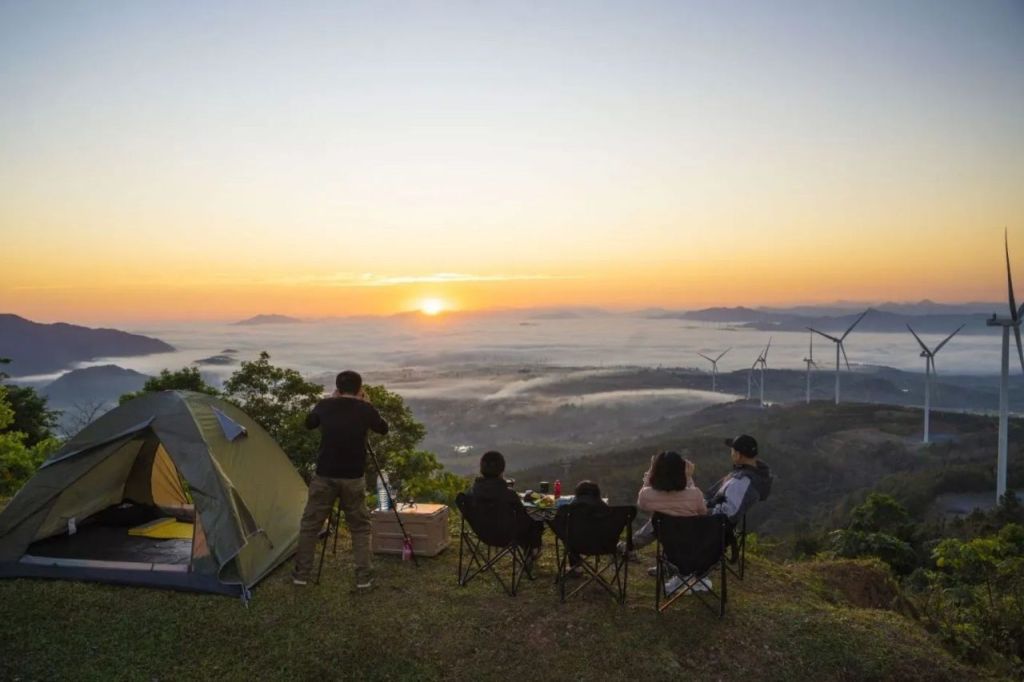
Photo: Cloud hunting in Khe Sanh - Quảng Trị
Avoid the rainy season from September to November, as roads can be slippery and flooding may occur. Helpful tip: Always check the weather forecast before your trip, bring a raincoat and non-slip shoes to ensure safety while traveling in Khe Sanh.
4. Notable Attractions When Traveling to Khe Sanh
When traveling to Khe Sanh, you cannot miss the historically and naturally rich attractions. Here are the top notable places:- Khe Sanh Combat Base: The main relic with a museum, aircraft, tanks, and shelters recreating the 1968 battle. Entrance fee is about 40,000 VND, open from 7 AM to 5 PM daily.
- Tà Cơn Airport: A place that preserves C-130 aircraft and war artifacts, a popular check-in spot.
- Vây Village Relic: The site of the heroic battle in 1968, now a memorial area with monuments and historical stories.
- Khe Sanh Tower: Located on Bu Coc hill, where you can enjoy panoramic views of the valley and learn about local culture.
- Tà Puồng Waterfall: A beautiful waterfall in the forest, ideal for picnics and refreshing swims.
These sites are often included in DMZ tours from Huế or Phong Nha, helping you save time.
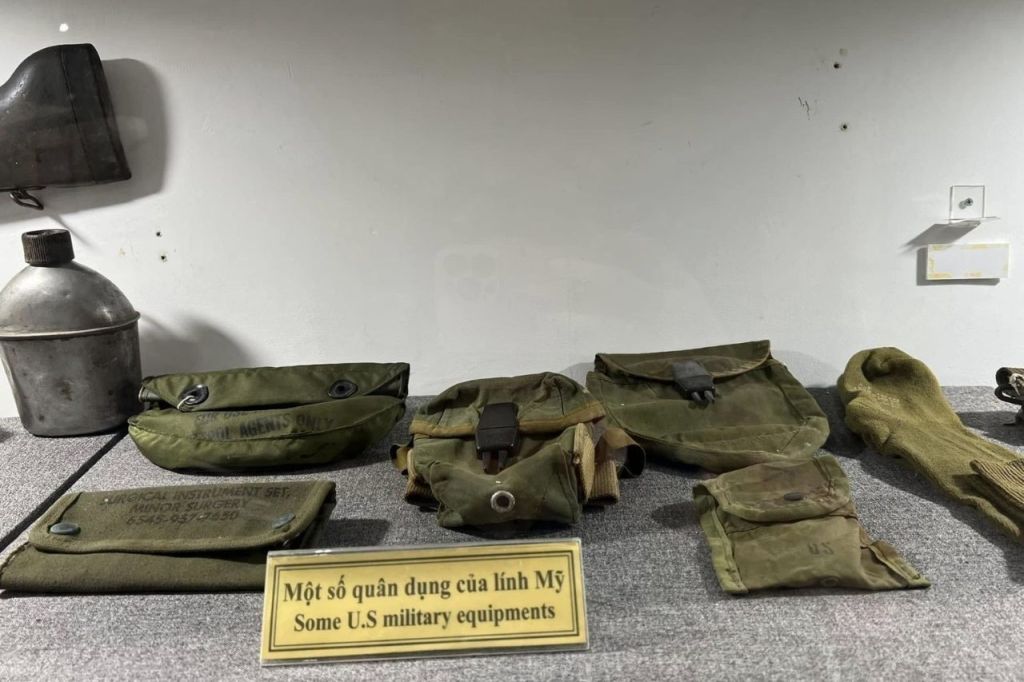
Photo: Historical pieces inside the Khe Sanh Victory Museum
5. Experiencing Nature and Local Culture in Khe Sanh
Khe Sanh travel is not only associated with historical marks but also opens up a journey to explore pristine nature and the unique cultural identity of the Trường Sơn region. Phong Hương Forest is an ideal destination for trekking, bird watching, or camping in the pristine forest space with winding trails full of experiences. Additionally, participating in DMZ tours or conquering the mountain passes around Khe Sanh also offers visitors the opportunity to fully admire the majestic beauty of the border mountains.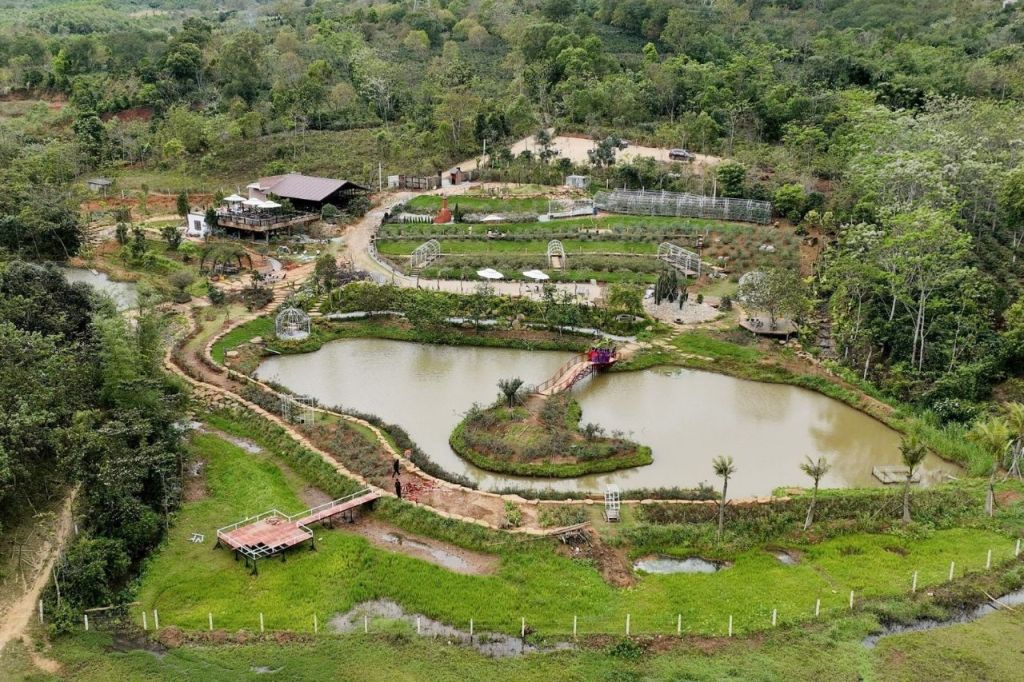
Photo: Khe Sanh tourism is developing strongly
In terms of culture, Khe Sanh is home to the long-standing Vân Kiều and Bru ethnic groups, with a rustic lifestyle rich in identity. Visiting local villages, you can learn about daily life, experience the process of making Khe Sanh coffee – one of Vietnam's famous coffee regions – or immerse yourself in the lively atmosphere of traditional gong festivals.
Tip: It is advisable to hire a local guide to gain deeper insights into customs and contribute to respecting and preserving the local community's way of life.
6. Khe Sanh Cuisine
Khe Sanh cuisine is rich in mountain flavors, with fresh local ingredients. Don't miss:- Trâu lá trơng: Fresh buffalo meat cooked with wild leaves that have a distinctive bitter taste, nutritious and a specialty dish.
- Bamboo tube grilled meat: Pork or chicken grilled in bamboo tubes, served with wild vegetables.
- Khe Sanh coffee: Enjoy at local cafes, with a rich flavor from Arabica coffee beans.
- Vegetarian dishes: If you prefer, try local vegetarian cuisine made from forest ingredients.
Tip: Ask local people for recommendations on good and safe eateries.
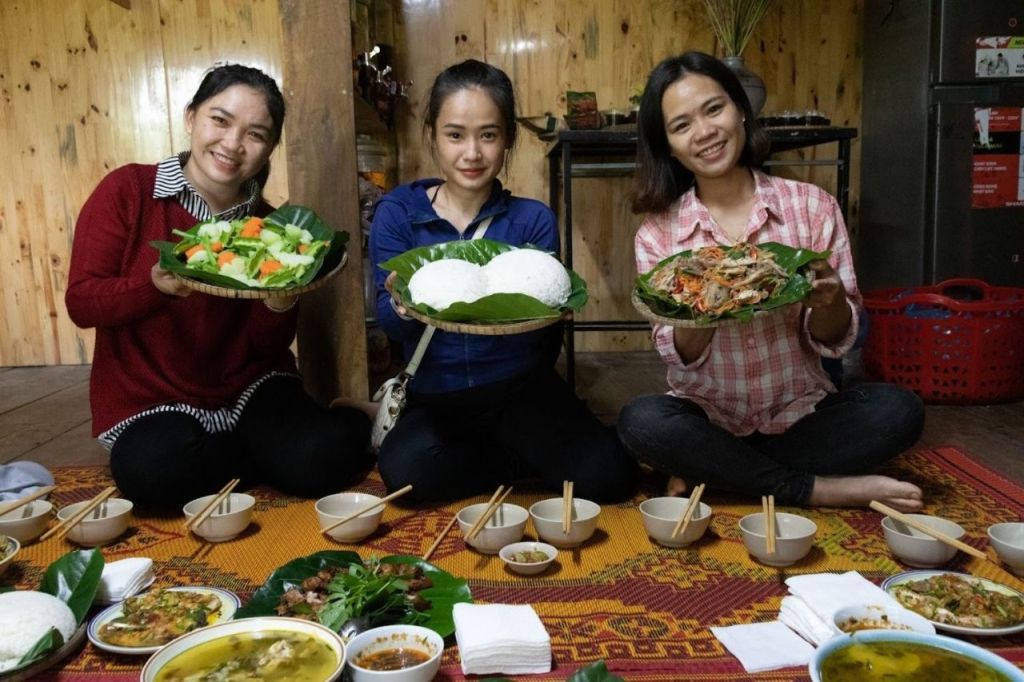
Photo: Enjoying Khe Sanh cuisine
7. The Most Convenient Transportation Guide to Khe Sanh
To get to Khe Sanh, you can start from Huế or Đồng Hới (Quảng Bình). The most convenient ways:- From Huế: Bus or motorbike via National Route 1A then turn onto Route 9, about 140 km, taking 3-4 hours. DMZ tours from Huế cost about 500,000-1,000,000 VND/person.
- From Phong Nha/Đồng Hới: Follow the Ho Chi Minh Trail West, about 185 km, ideal for renting a motorbike or car.
- Nearest airport: Phú Bài (Huế) or Đồng Hới, then transfer by bus.
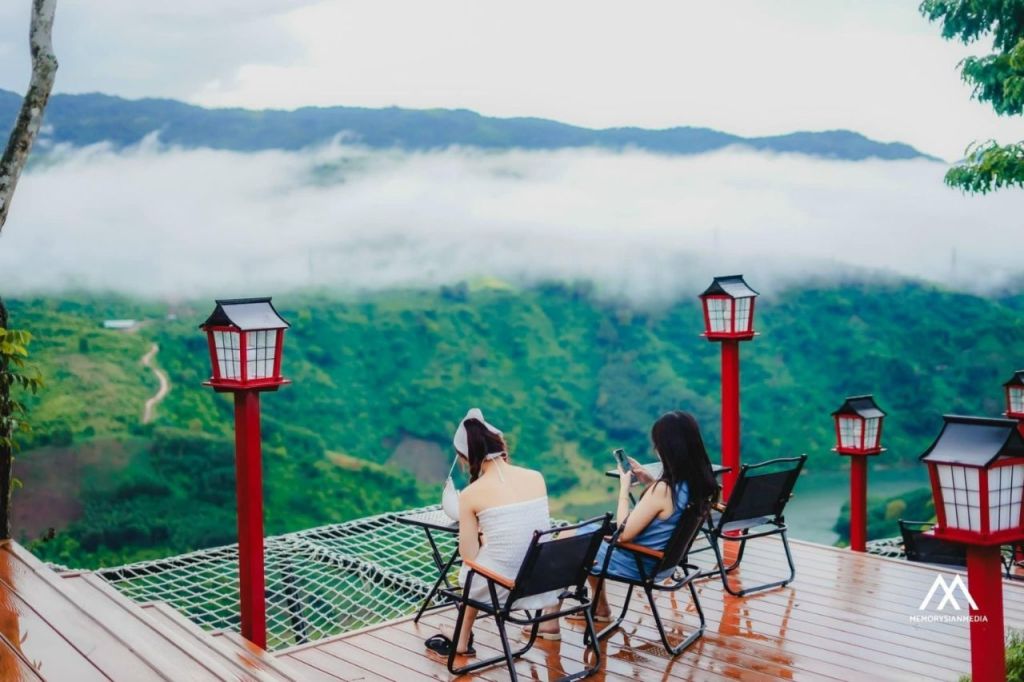
Photo: Enjoying coffee while admiring the hills of Khe Sanh
Khe Sanh travel is not just a journey of exploration, but also a journey to touch the depths of history amidst the majestic Trường Sơn mountain space. This place offers visitors very unique emotions: solemnity when standing before the war relics, tranquility when immersing in the lush nature, and warmth through the simplicity of the local people. For a complete and professional exploration journey, you can refer to Khe Sanh tours from Sovaba Travel, a unit specializing in organizing meaningful trips to this land. This will surely be a memorable journey, enriching your knowledge and experiences.
Bình Luận:
0