





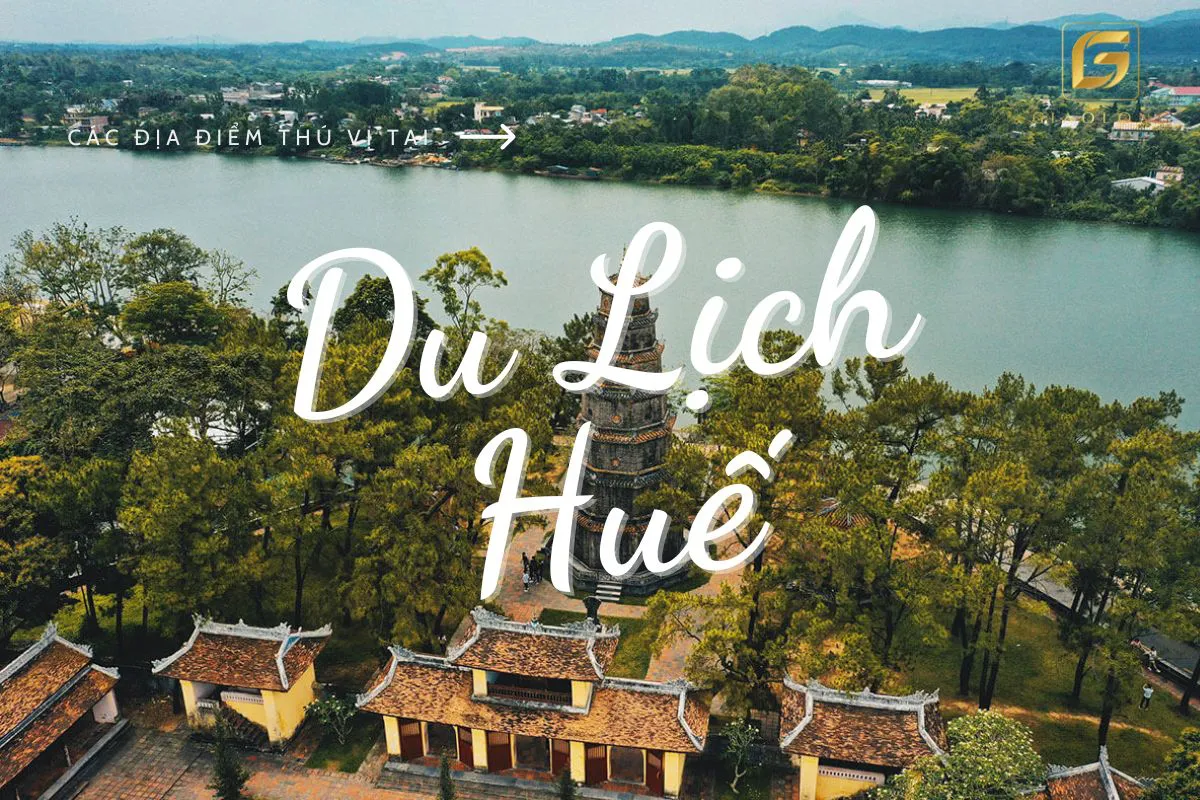
Thien Mu Pagoda - The Sound Of The Thousand-Year Bell Echoes Along The Huong River.
Thien Mu Pagoda - The sound of the bell ringing for a thousand years amidst the Huong River
There are places where just standing still is enough to soothe one's heart. In Hue, that place is Thien Mu Pagoda – an ancient, sacred pagoda, one of the most revered in the ancient capital, where time seems to flow slower amidst the evening bell and the quiet waters of the Huong River.Not only a spiritual destination, Thien Mu Pagoda is also a cultural and historical symbol closely associated with Hue for over four centuries.
1. Thien Mu Pagoda – The spiritual symbol of Hue
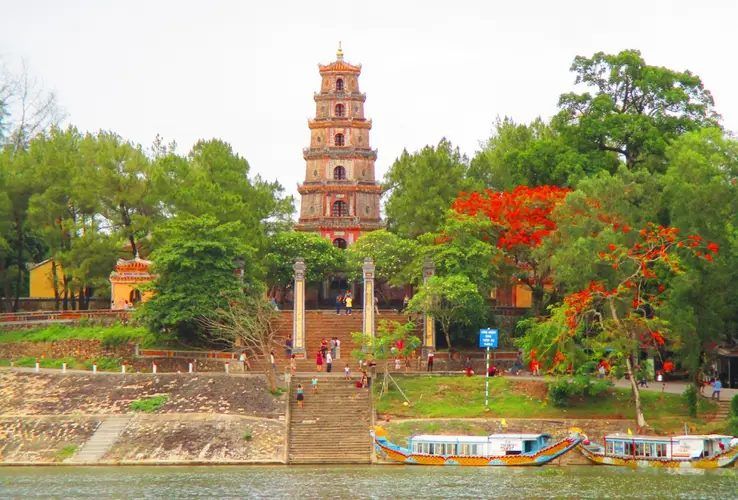
Thien Mu Pagoda (also known as Linh Mu Pagoda) is located on Ha Khe Hill, by the banks of the Huong River, in Hue city. This location creates the “sitting mountain looking at water” – with the back against the hill and the front facing the river – which is highly valued in Eastern feng shui concepts.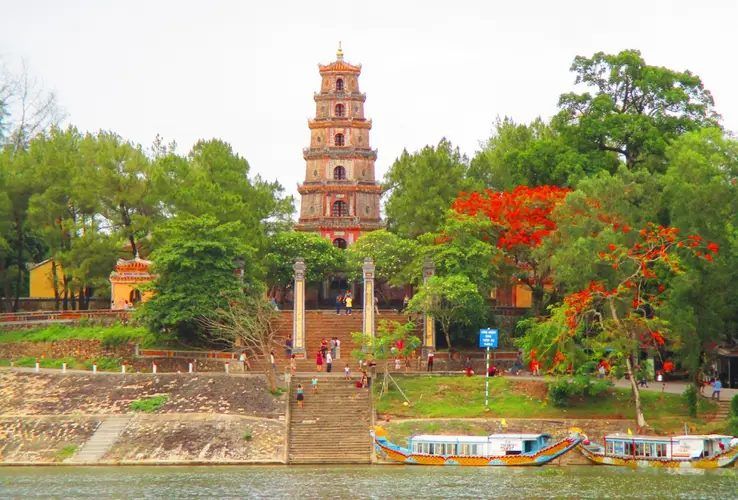
The image of Thien Mu Pagoda located on Ha Khe Hill, by the Huong River (Source: Traveloka)
The pagoda was built in the 17th century, associated with Lord Nguyen Hoang and the formation of the Thuan Hoa – Phu Xuan region. Through many historical upheavals, the pagoda has retained its solemn and ancient appearance, becoming a spiritual anchor for the people of Hue and a place for visitors to find peace.
The name “Thien Mu” is linked to the legend of an old woman in a red dress appearing on the hill, prophesying that a sacred pagoda would be built here to help the country prosper. Since then, the pagoda was born as a fulfillment of the folk belief and the consciousness of the Vietnamese people.
2. The architecture of Thien Mu Pagoda – The beauty of harmony and tranquility
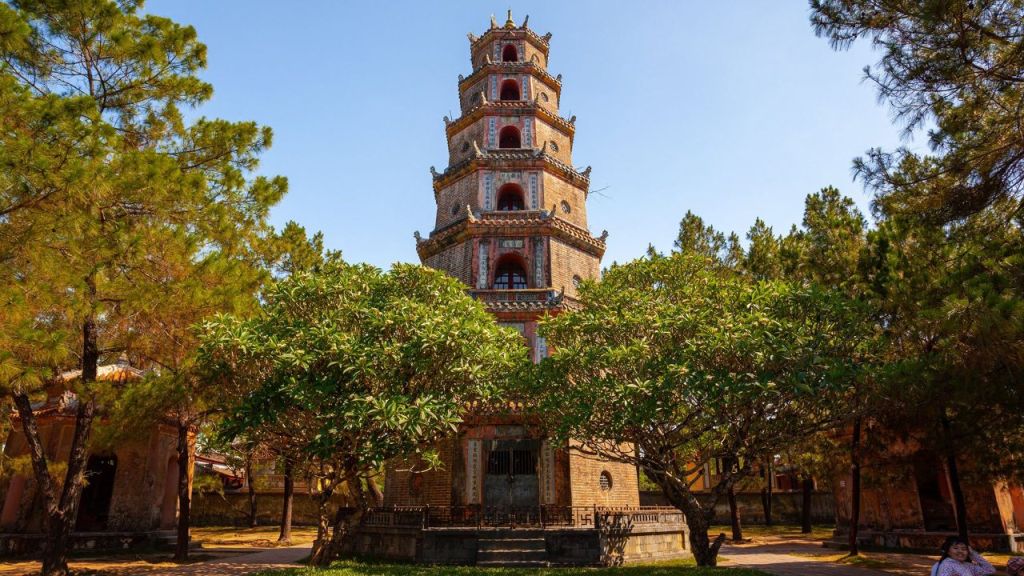
Thien Mu Pagoda does not overwhelm with its grandeur, but captivates viewers with its balance, harmony, and elegance. The entire space of the pagoda is gently arranged among green trees, brick courtyards, ponds, and architectural works imbued with Hue's style.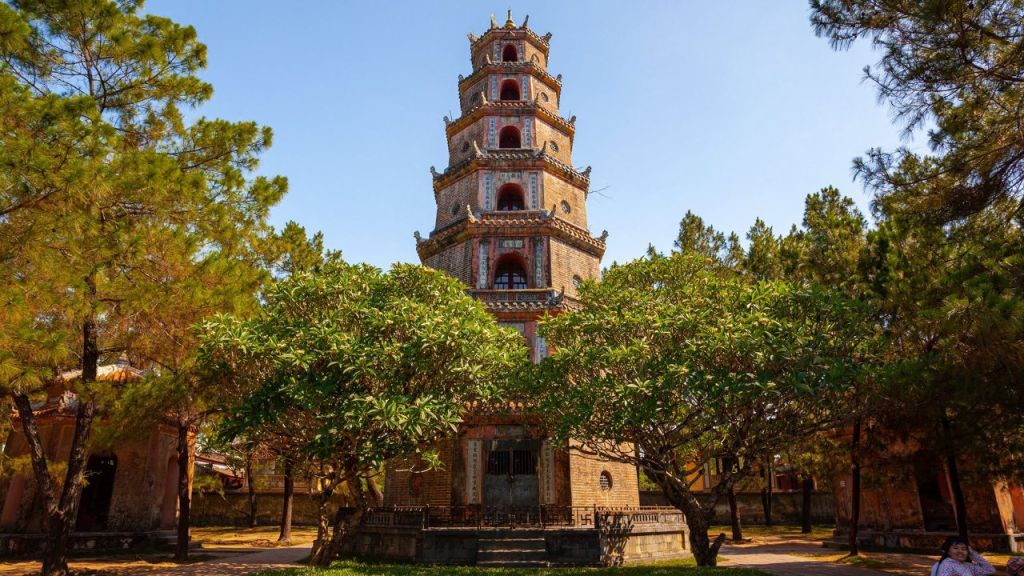
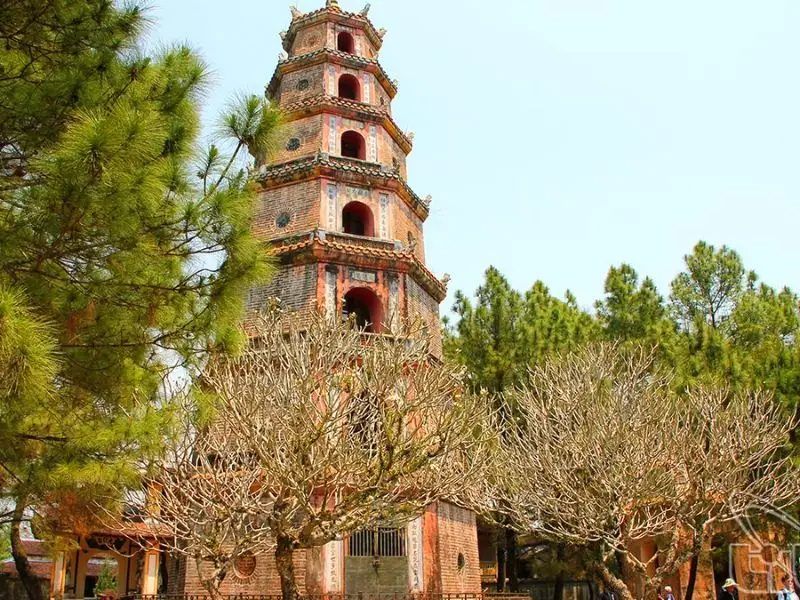
Thien Mu Pagoda does not overwhelm with its grandeur, but captivates viewers with its balance, harmony, and elegance (Source: Sovaba Travel)
Most prominent is the Phuoc Duyen Tower – an octagonal tower 21m high, consisting of 7 levels, each level housing a statue of a Buddha. The tower was built in 1844 during the reign of King Thieu Tri and gradually became an iconic image of Hue, appearing in poetry, painting, and photography.
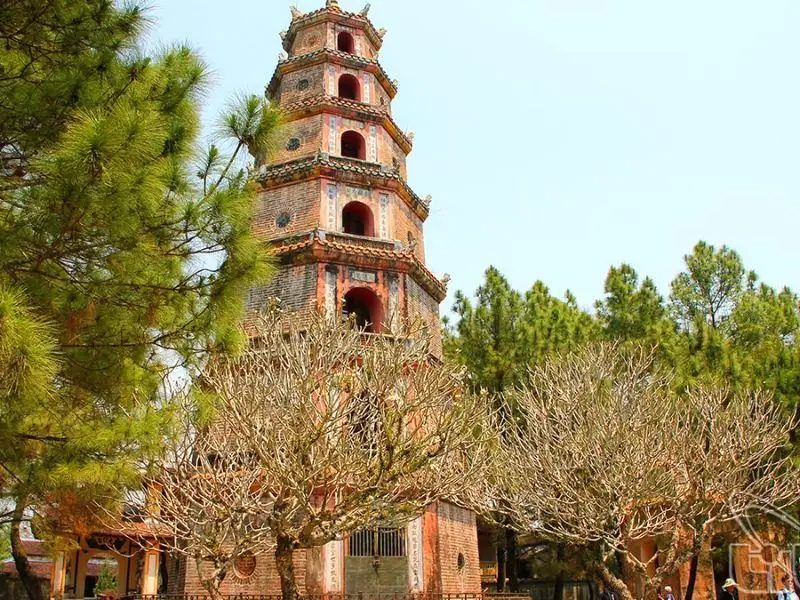
The architecture of the pagoda is a blend of Asian and Western elements (Source: Traveloka)
Each level of the tower carries its own distinct hue, harmonizing with the sky, water, and surrounding vegetation. When the sun rises, the Phuoc Duyen Tower casts its shadow on the Huong River, creating a scene that is both sacred and poetic.
3. The Tam Quan Gate – The threshold of awakening
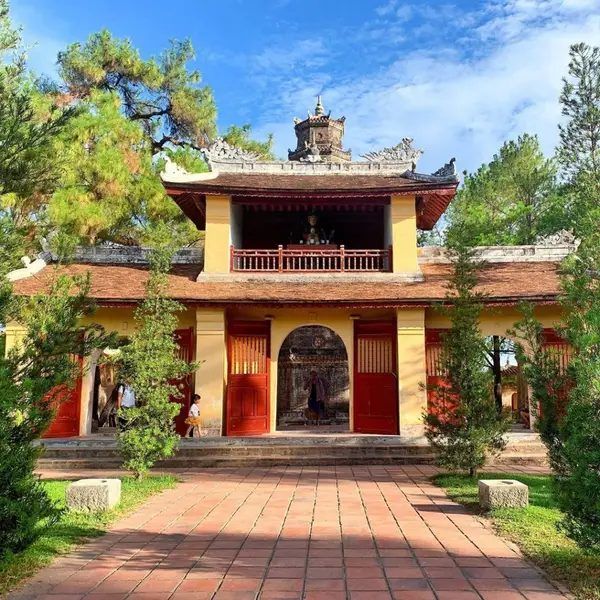
Entering the pagoda, visitors will pass through the Tam Quan Gate of Thien Mu Pagoda – a structure with profound significance in Buddhism.The Tam Quan Gate symbolizes Heaven – Earth – Humanity, or Emptiness – Non-form – Non-action, reminding people that before entering the Buddha's realm, they need to let go of worries, calm their minds, and turn towards goodness. The gate's architecture is simple yet solemn, serving as a gentle boundary between mundane life and spiritual space.
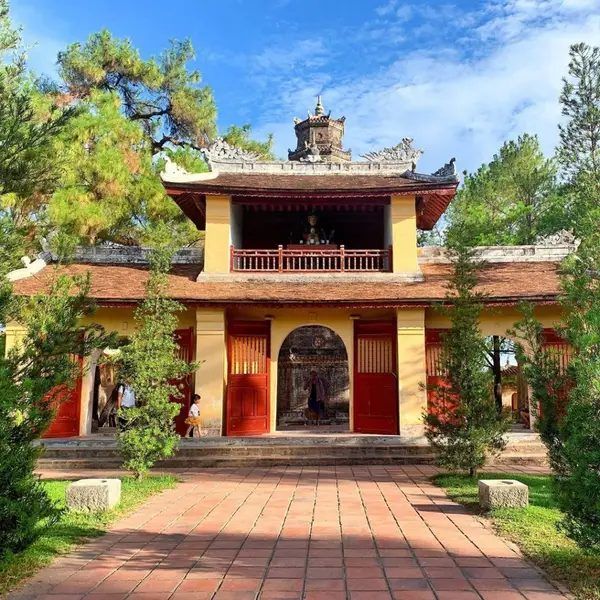
Tam Quan Gate at Thien Mu Pagoda (Source: Traveloka)
4. Special marks inside Thien Mu Pagoda
In addition to the Phuoc Duyen Tower and the Tam Quan Gate, the pagoda also preserves many valuable treasures:The Great Bell of Thien Mu: a famous ancient bell, each ringing is believed to resonate for tens of kilometers, carrying a reminder of impermanence and awakening.
The large statue of Avalokiteshvara, placed in a serene space, is a point for Buddhists and visitors to pay homage and pray for peace.
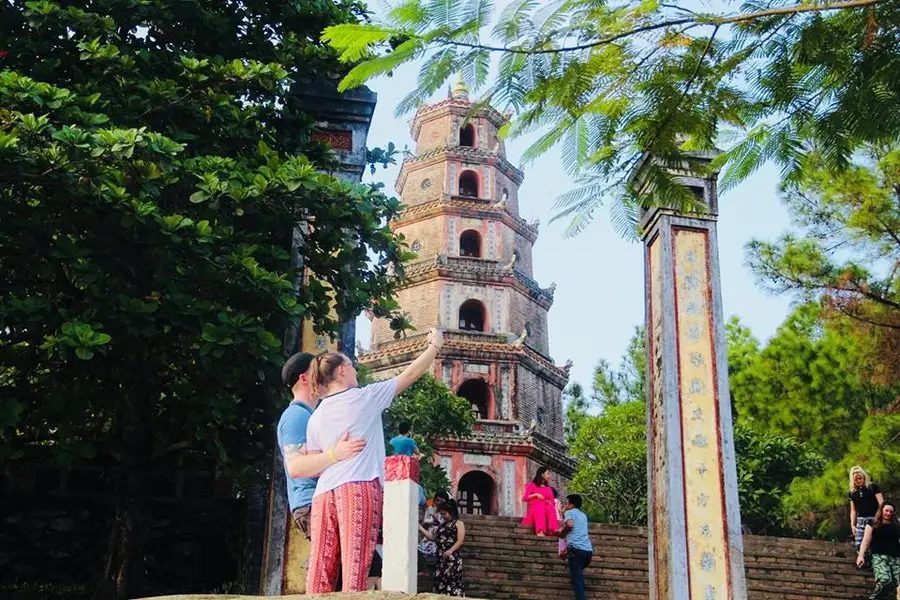
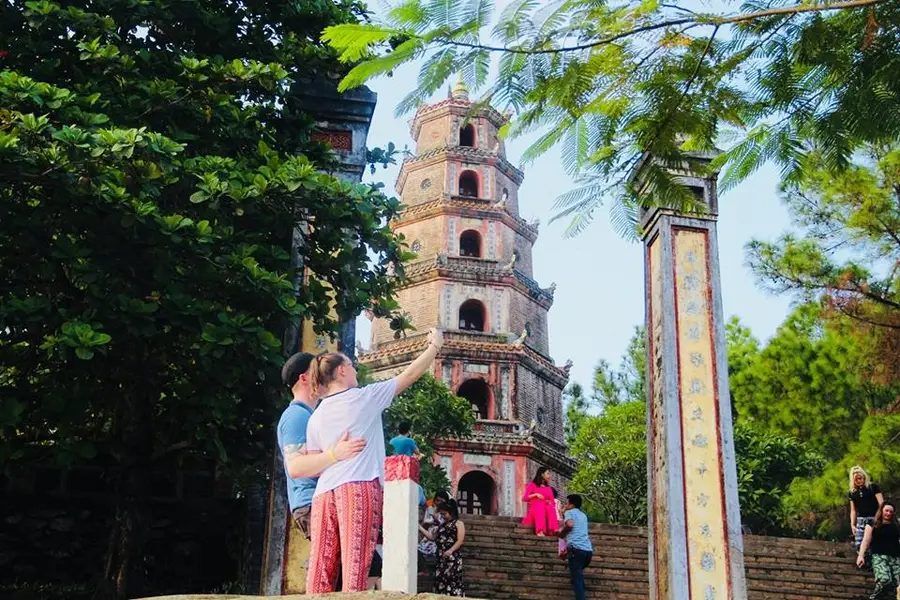
Thien Mu Pagoda attracts a large number of visitors (Source: Traveloka)
The pagoda's garden is lush and cool, home to many ancient trees and flowers that bloom in all seasons, creating a rare tranquil meditation space in the heart of the city.
The pagoda also has a small exhibition area, preserving many artifacts and images related to the history of Buddhism and the Nguyen dynasty, helping visitors gain a deeper understanding of the pagoda's role in Hue's cultural life.
5. Thien Mu Pagoda in the life and memory of Hue
For the people of Hue, Thien Mu Pagoda is not just a tourist attraction. It is a place tied to childhood memories, with full moon festivals, Vu Lan ceremonies, and the sound of evening bells ringing at every sunset.For visitors, Thien Mu Pagoda is a place to slow down, to see Hue at a different pace: deeper, more profound, and filled with emotions. Sitting on the pagoda's steps, watching the Huong River flow quietly, listening to the gentle breeze rustle the leaves – one naturally feels their heart lighten significantly.
Thien Mu Pagoda does not need to flaunt to be special. It is the tranquility, ancientness, and depth of history that make this place an integral part of Hue's soul. If you have the chance to visit the ancient capital, take a leisurely afternoon for Thien Mu Pagoda. No need to rush to take photos, no need to talk much – just stand still, listen to the bell, admire the Huong River, and let your heart settle because there are places where people come not to leave, but to stay in memories for a long time.
-------------
Source: Traveloka
Bình Luận:
0