





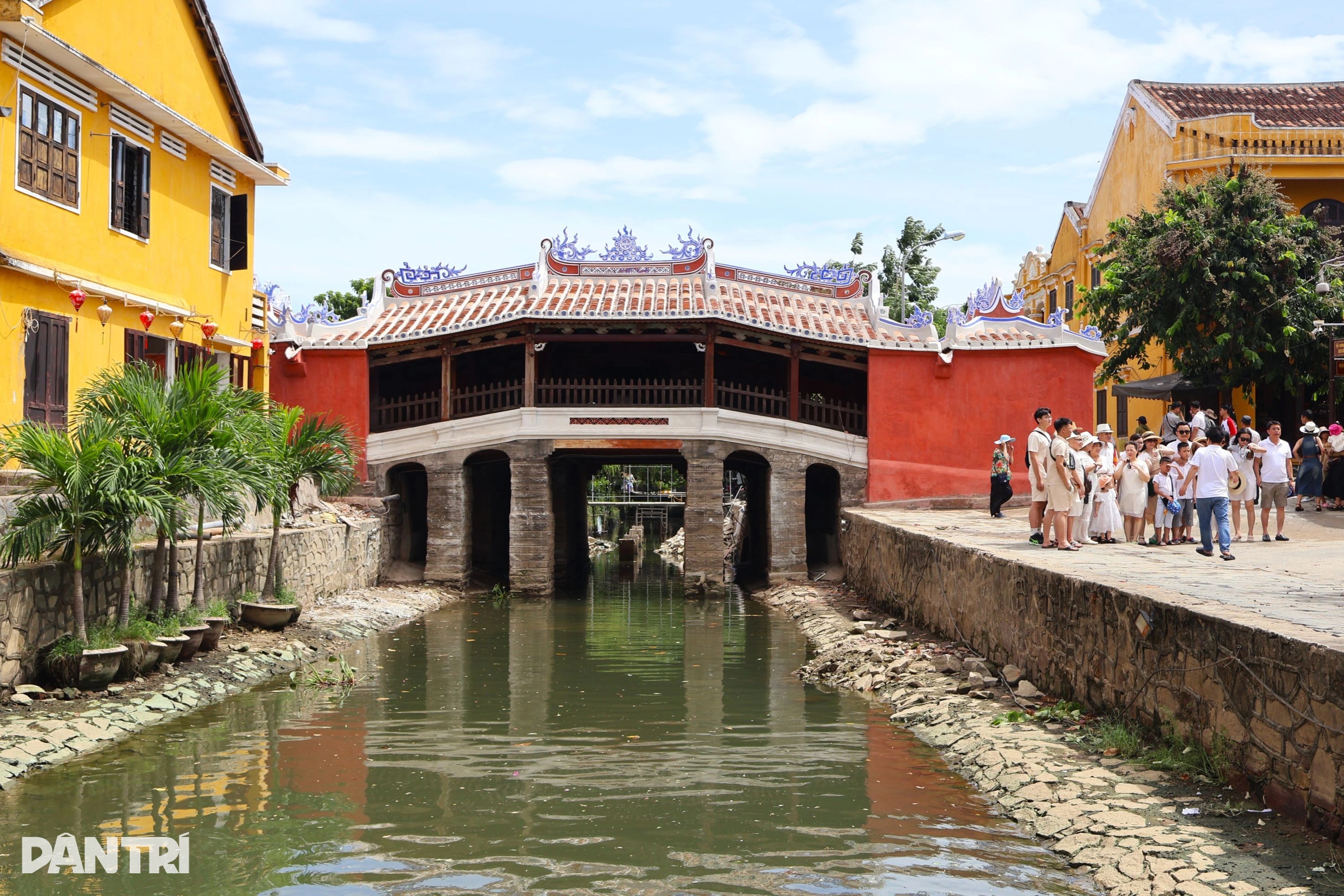
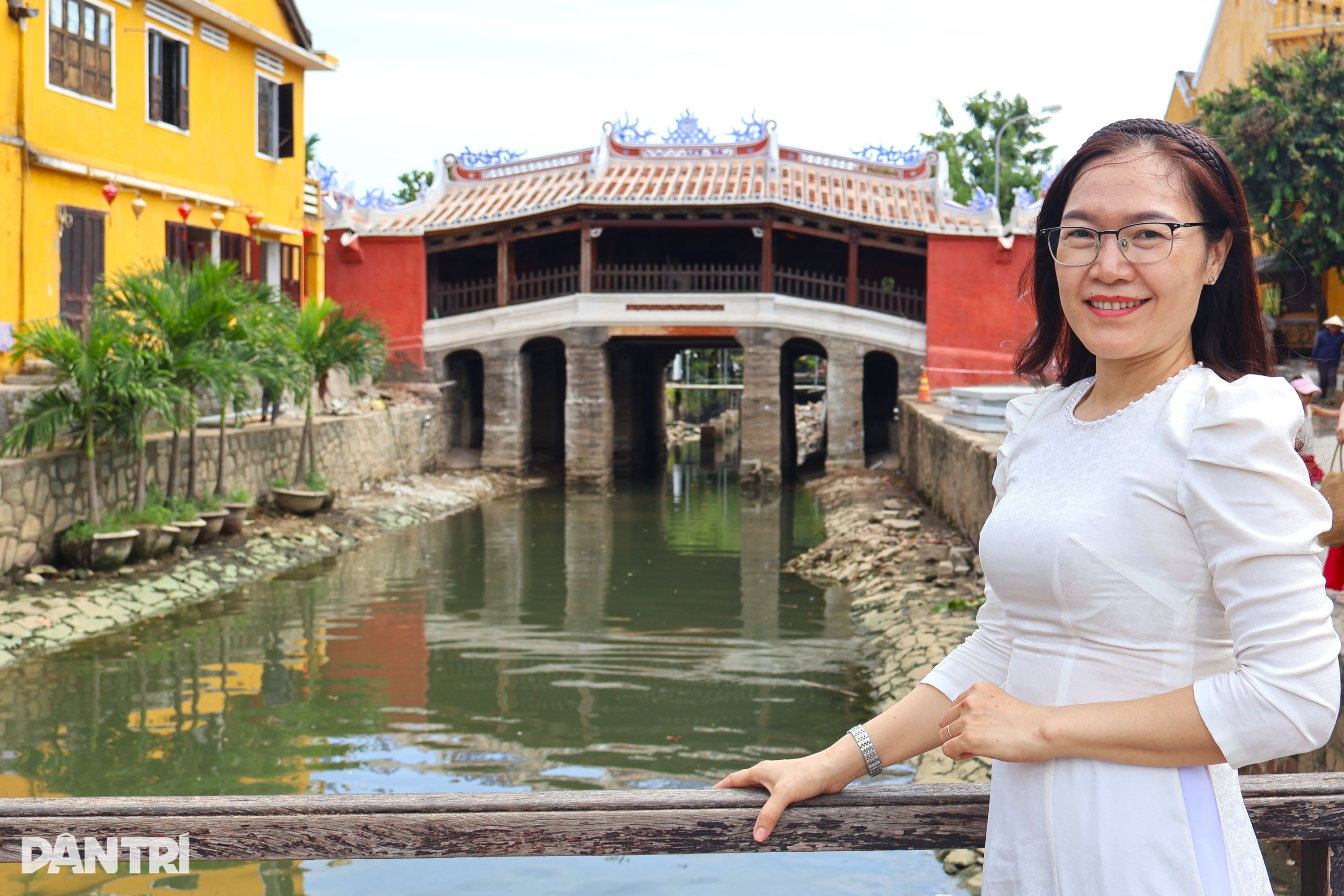
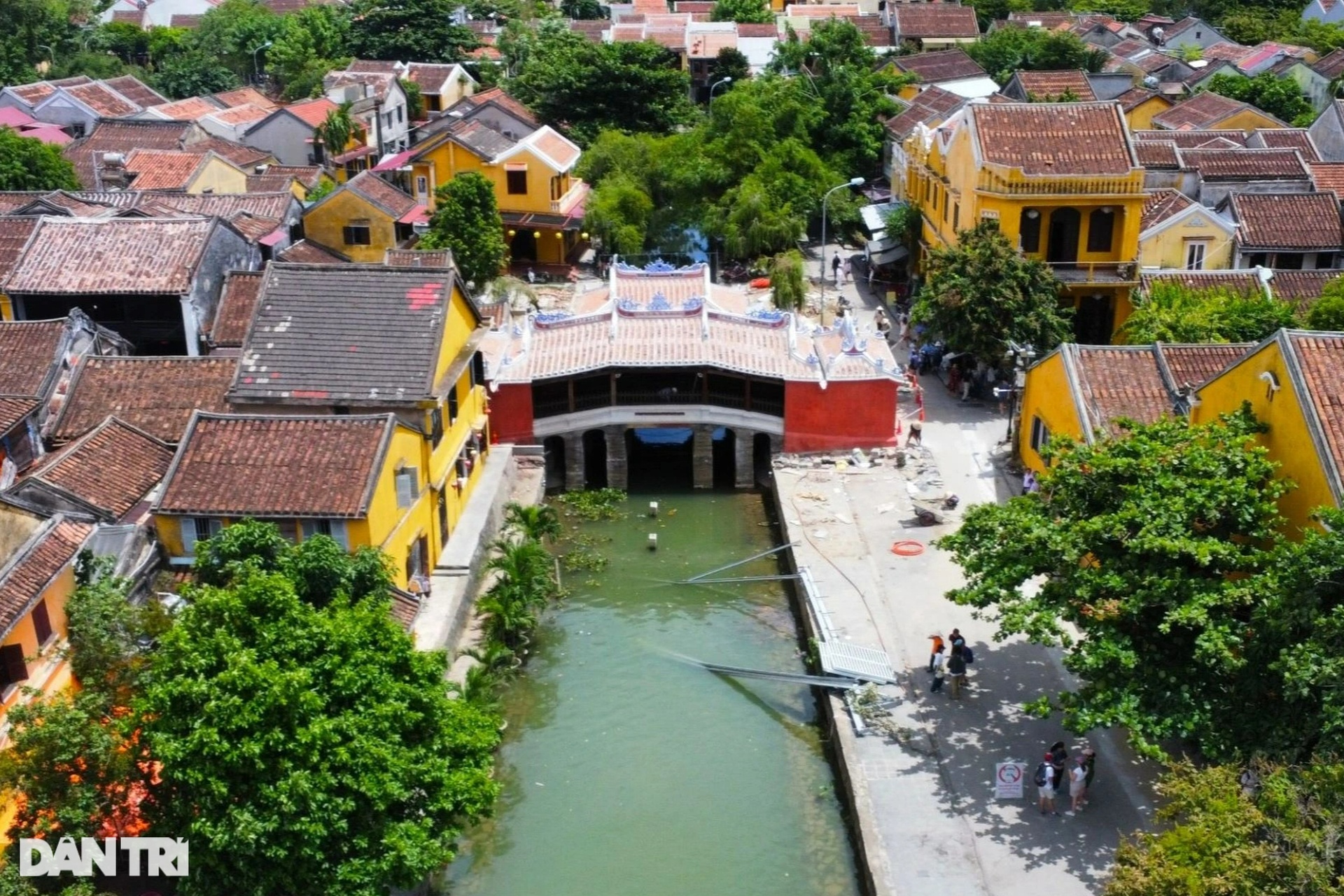
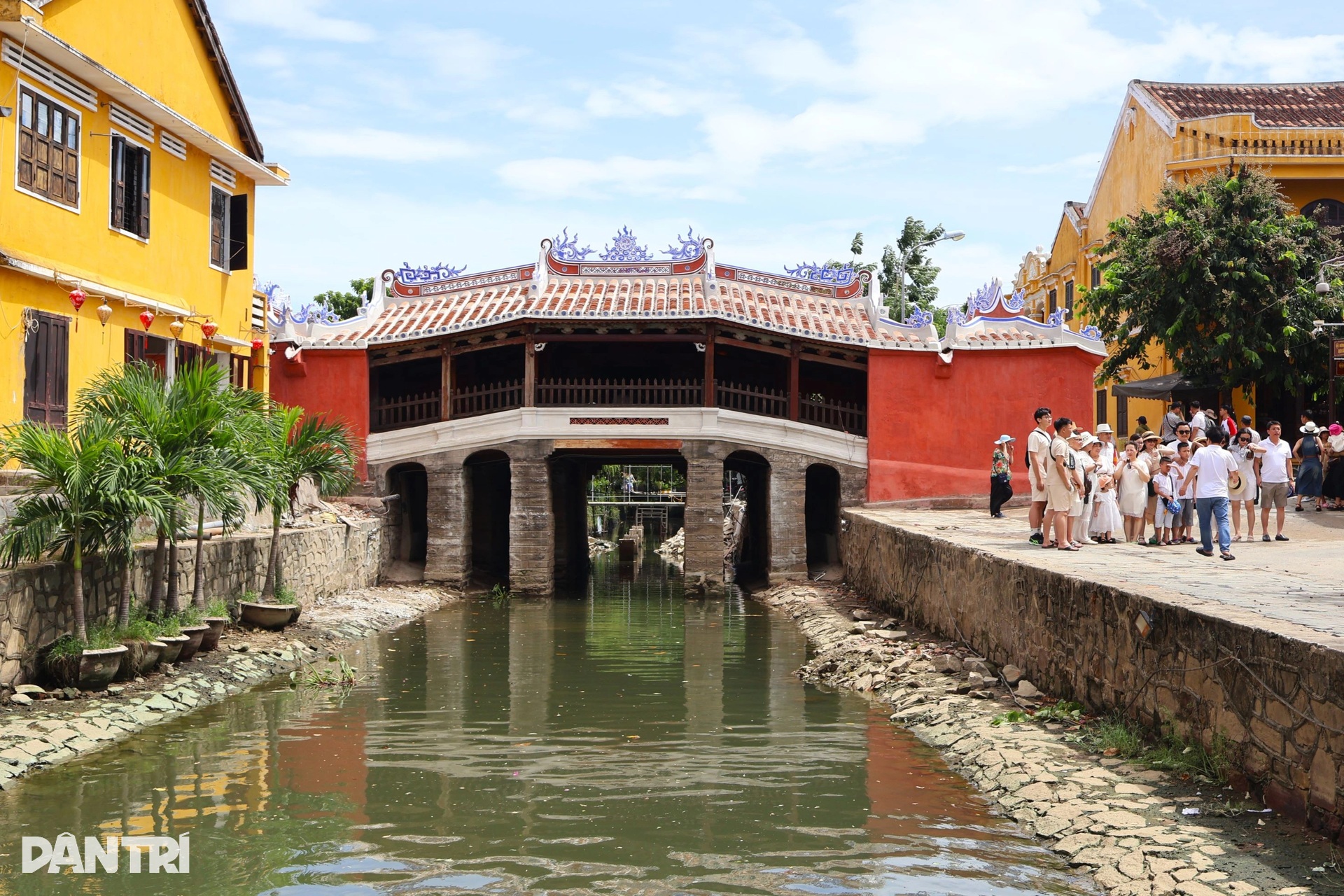
Au cœur de la vieille ville de Hội An, il y a un petit pont que tout le monde doit prendre en photo au moins une fois : le Pont couvert – ou aussi appelé Lai Viễn Kiều, Pont japonais. Construit par des marchands japonais au début du XVIIe siècle pour relier le quartier chinois, ce pont a traversé plus de 400 ans d'histoire et est devenu un symbole imprimé sur le billet de 20 000 dong vietnamiens.
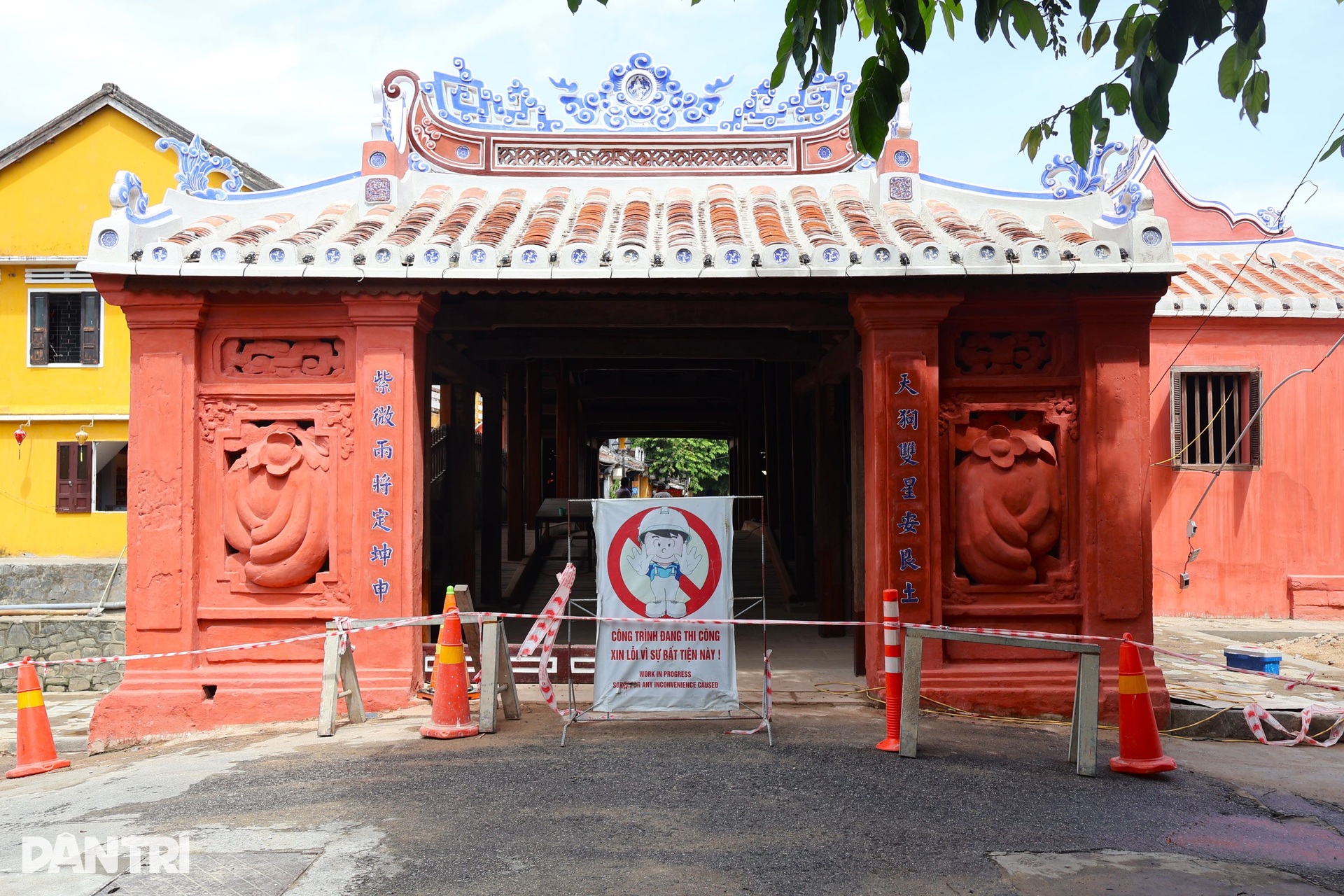
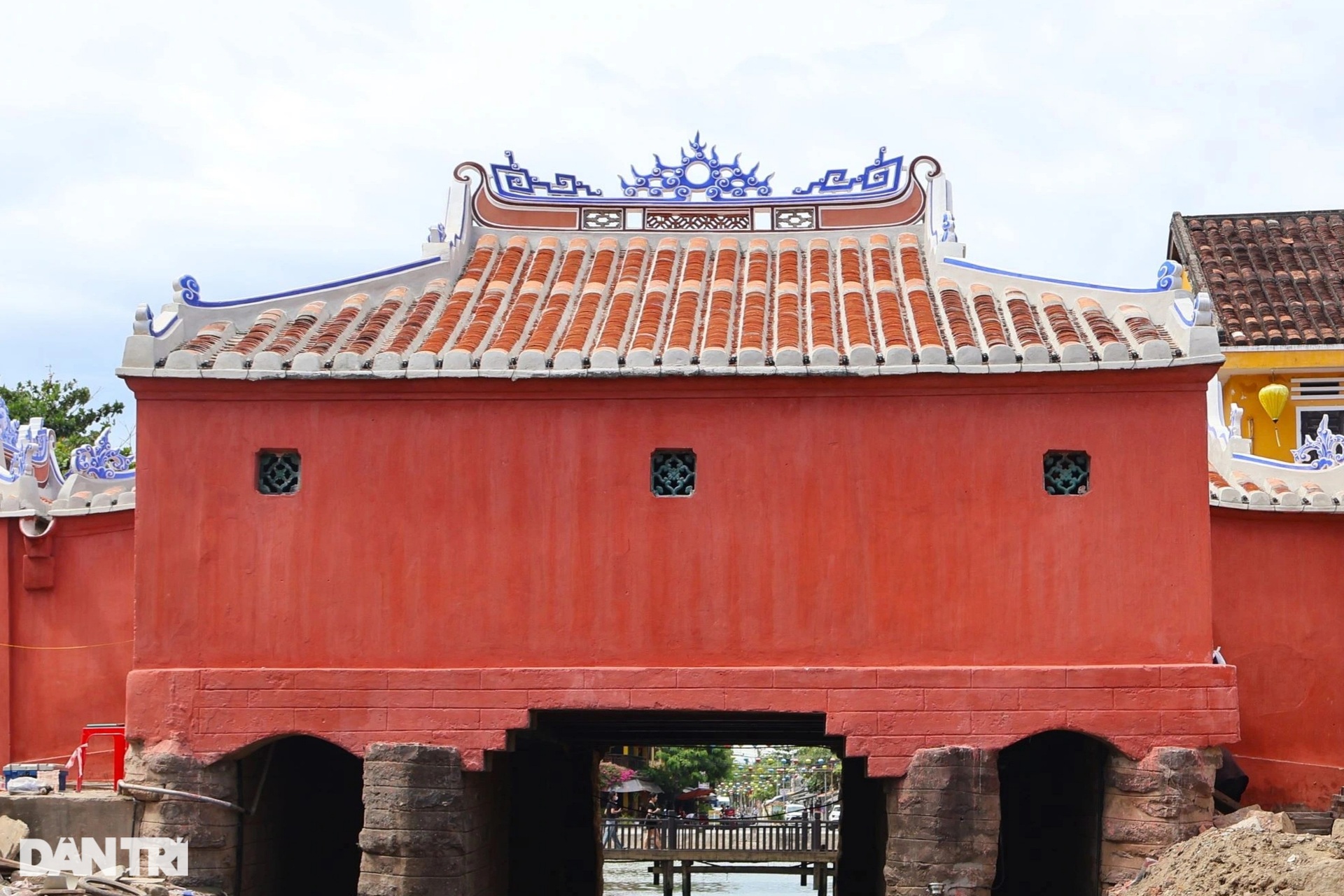
Le Pont couvert mesure seulement 18 mètres de long mais renferme toute une histoire culturelle de l'Asie de l'Est. Le toit en tuiles ondulées, typiquement japonais, est courbé ; à l'intérieur, il abrite le dieu Bắc Đế Trấn Vũ selon la croyance des Chinois ; aux deux extrémités du pont se trouvent des statues de singe et de chien en bois laqué – symboles de l'année de début des travaux et de l'année d'achèvement. L'ensemble crée une œuvre unique de fusion en Asie du Sud-Est.
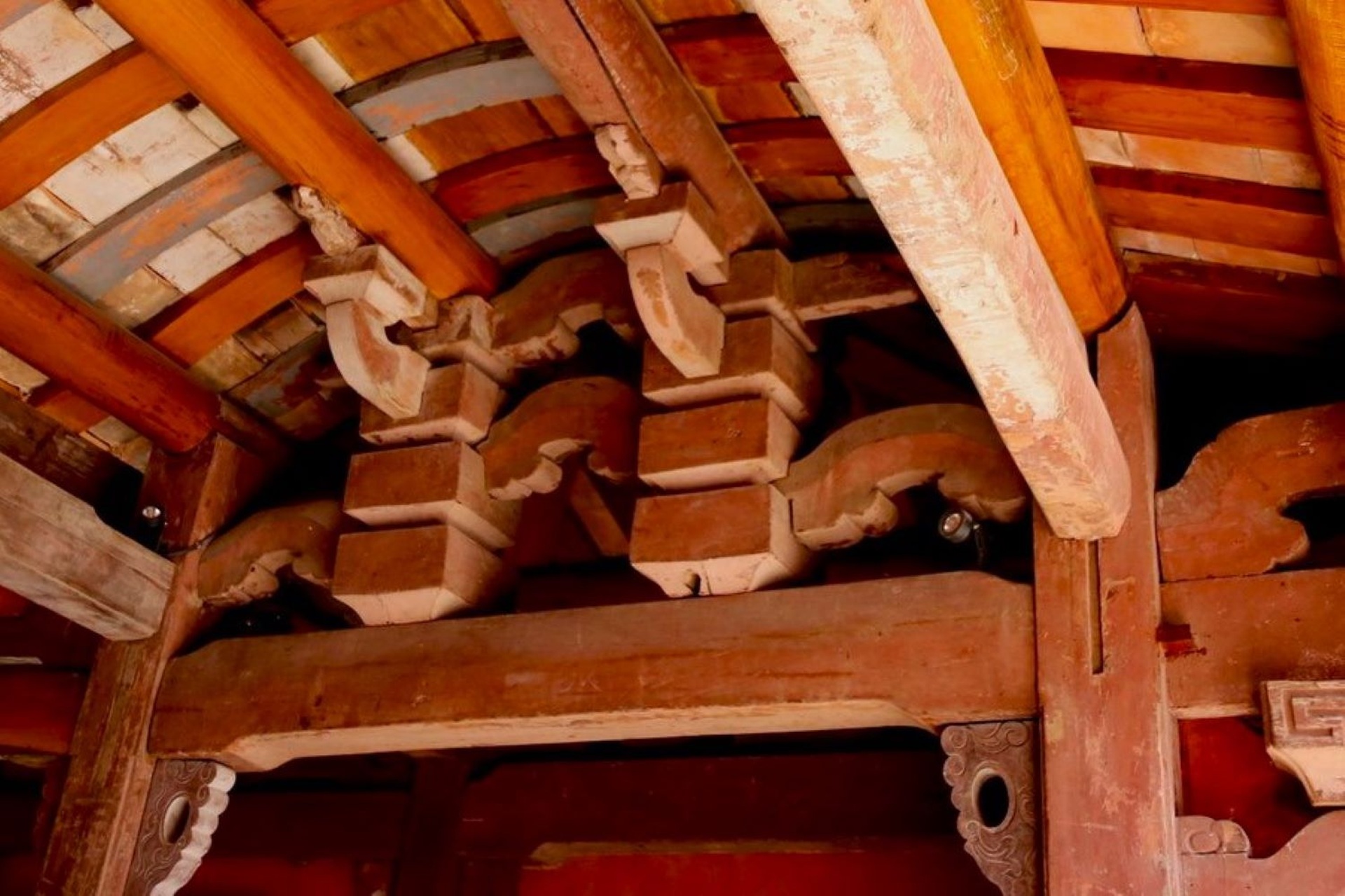
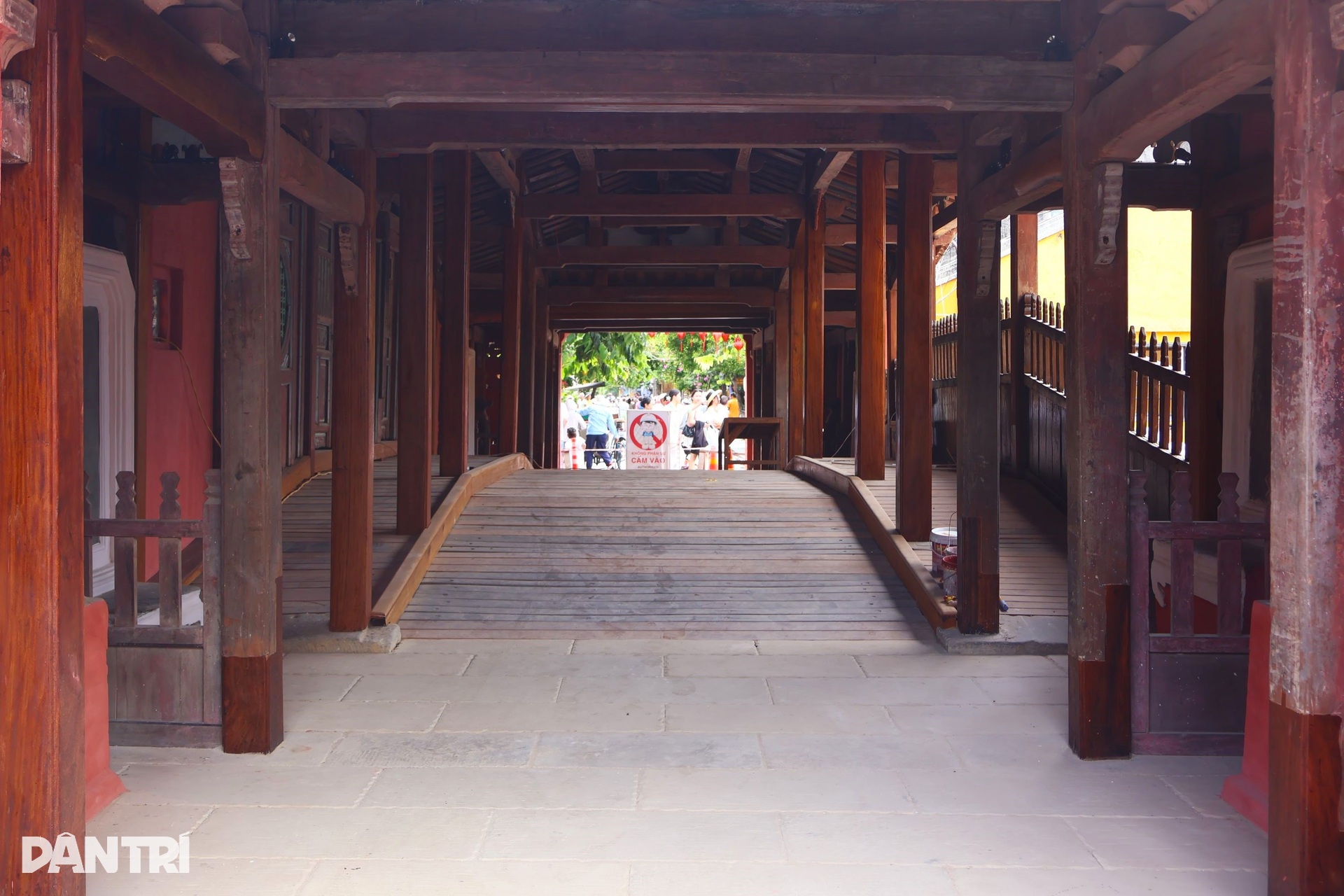
Après une grande restauration achevée fin 2024, le Pont couvert revient avec sa couleur rouge brun d'origine, au lieu de la teinte rose qui avait suscité des controverses. Les planches de bois ont été renforcées, le toit a été refait selon des techniques traditionnelles, préservant les détails sculptés de dragons et de phénix anciens. Aujourd'hui, le pont est réservé aux piétons, chaque passage sur le pont est comme entrer dans une scène de film historique.
Suggestion : le matin de 6h à 8h est le moment où il y a le moins de visiteurs, la lumière dorée éclaire les rambardes pour les plus belles photos ; le soir à partir de 18h30, les lanternes des deux côtés du canal illuminent le Pont couvert, le transformant en un cadre scintillant. Le billet d'entrée pour la vieille ville est de 120 000 dong par personne, incluant le Pont couvert et les anciennes halles. Combinez avec la visite de la salle de Phúc Kiến, la maison ancienne de Tấn Ký juste à proximité pour en savoir plus sur la vie du port d'autrefois. Un petit pont, mais en marchant dessus, le cœur ralentit soudainement – c'est ce que Hội An offre toujours aux visiteurs.

Commenter
0