






Moc Chau Cat Grass – A Humble Vegetable That Leaves A Lasting Impression On Visitors To The Highlands.
Among the countless famous specialties of Moc Chau such as grilled beef, grilled stream fish, or fresh cow's milk, there is a rustic dish that many tourists love, which is Moc Chau wild mustard. Not complicated in preparation, not expensive or luxurious, wild mustard captivates diners with the characteristic natural flavor of the Northwest mountains.
In particular, many who have tasted it have remarked that wild mustard in Moc Chau is much tastier than in other places. So what creates this difference?
What is Moc Chau wild mustard?
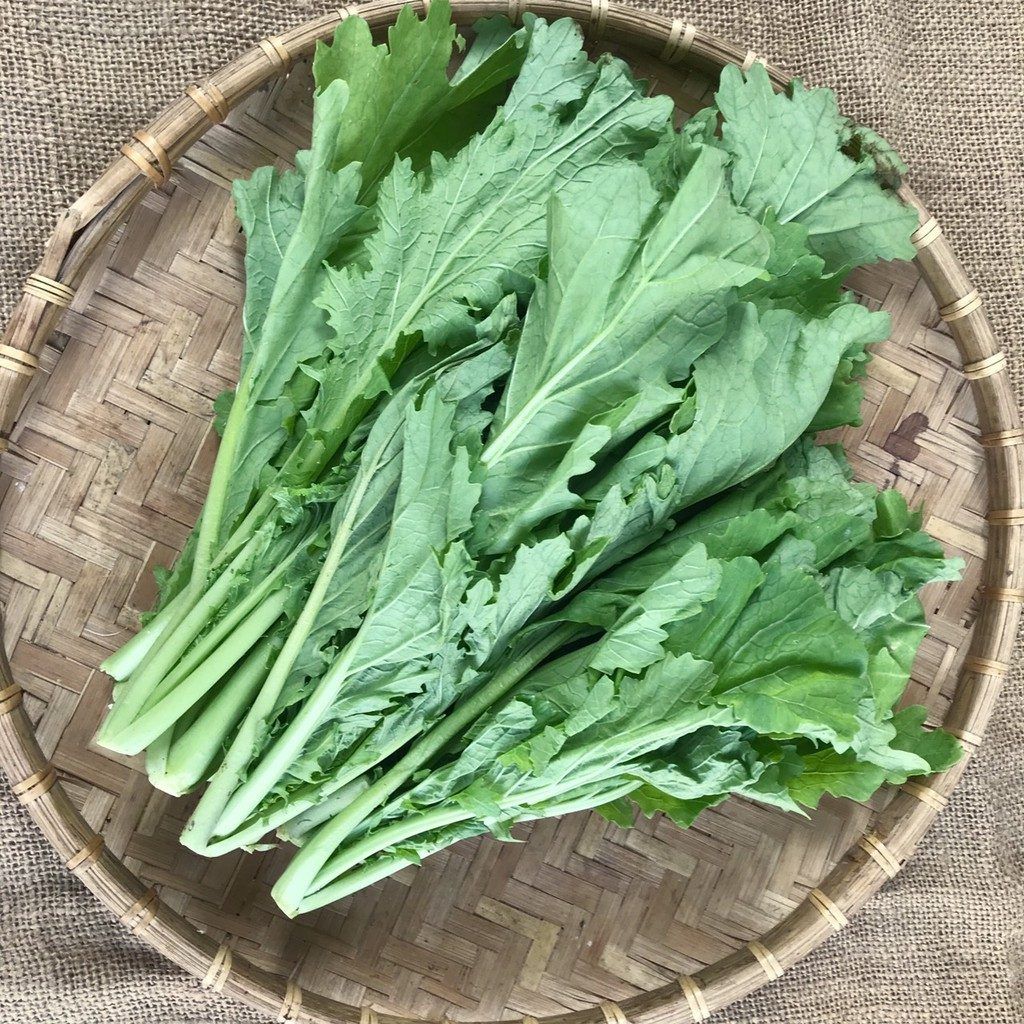
Wild mustard is a type of vegetable typical of the high mountainous region of the Northwest, cultivated by the Hmong people for many generations. This vegetable has slightly curly leaves, dark green color, sturdy stems, and a characteristic mild bitterness.
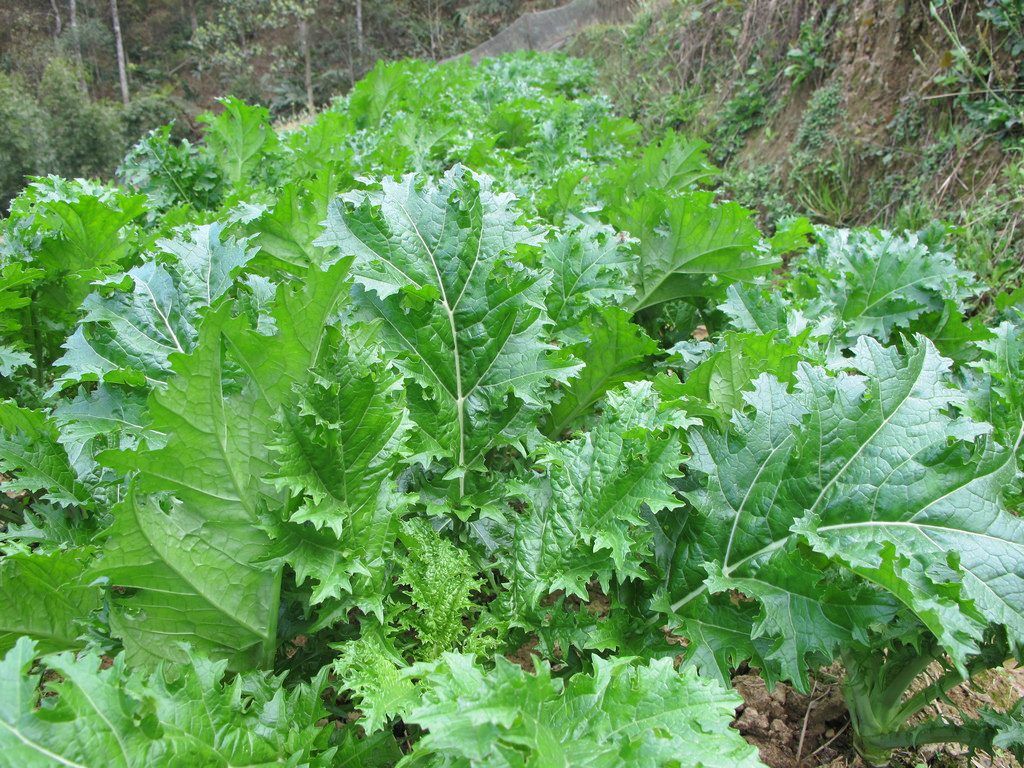
At first glance, wild mustard is not as eye-catching as many other vegetables. However, its unique flavor and natural sweetness have made it an indispensable dish in the meals of the highland people.
In Moc Chau, wild mustard is widely grown in the high villages, where the climate is cold year-round and the soil conditions are particularly suitable for plant growth.
Why is Moc Chau wild mustard tastier than in other places?
The brand of Moc Chau wild mustard is due to the rare natural conditions of this plateau.
Cool climate year-round
Moc Chau is located at an altitude of over 1,000m above sea level, with an average temperature much lower than many other areas. During the day, there is gentle sunlight, and at night it gets cool, helping the vegetables grow more slowly and accumulate more nutrients.
As a result, the leaves are thicker, the stems are crisper, and the aftertaste is more pronounced after cooking.
Grown on fertile red basalt soil
The Moc Chau plateau possesses nutrient-rich red basalt soil, very suitable for temperate vegetables to thrive.
The loose soil and clean water from limestone mountains help wild mustard grow healthily, retaining its natural flavor without heavily relying on chemical fertilizers.
Large temperature difference between day and night
This is a very important factor that contributes to the quality of the vegetables.
The temperature difference between day and night helps wild mustard accumulate more natural sugars in its leaves. Therefore, when eaten, diners will clearly feel the initial mild bitterness followed by a very characteristic sweet taste.
This is also a unique feature that makes Moc Chau wild mustard rated tastier than in other regions.
Traditional farming methods
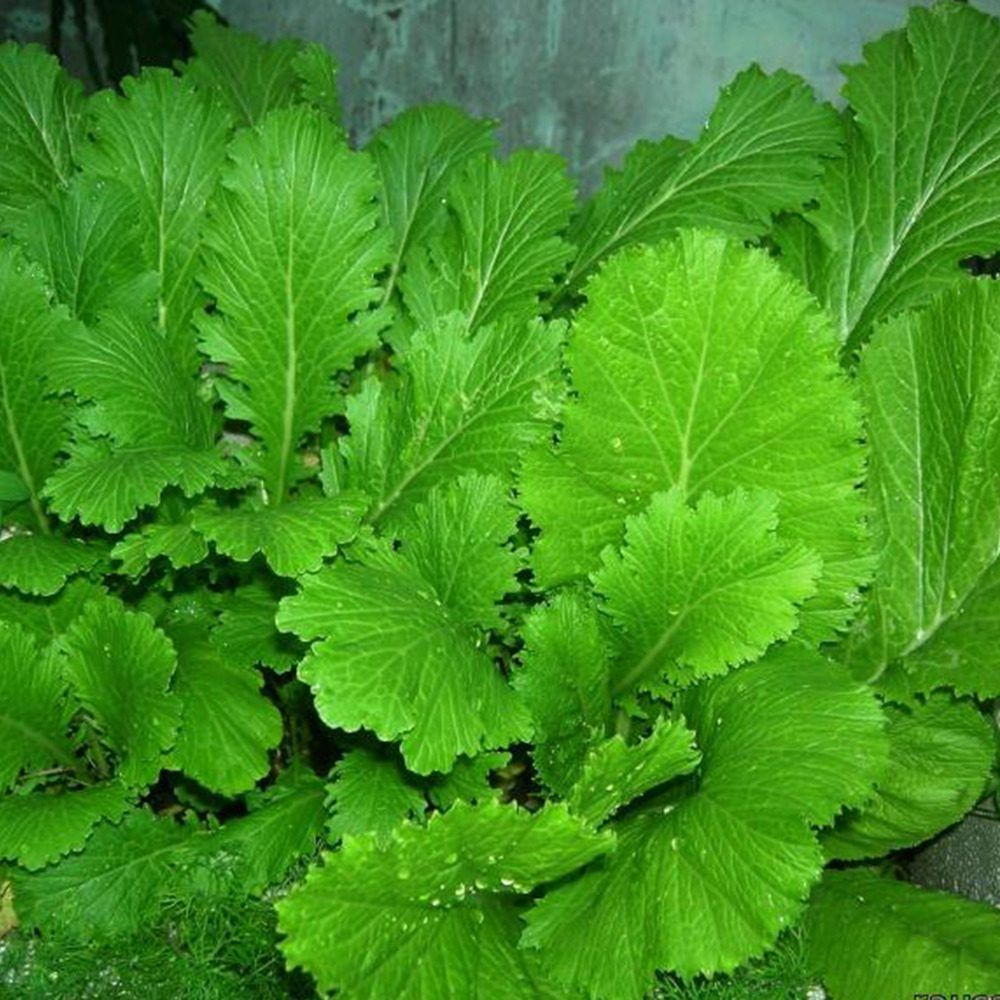
Many Hmong households in Moc Chau still maintain traditional vegetable growing methods on a small scale, using few pesticides.
Thanks to natural care, wild mustard retains its original flavor and the inherent cleanliness of a highland vegetable.
The characteristic flavor of Moc Chau wild mustard
What makes wild mustard special lies in its very unique flavor.
When first eaten, diners will feel a slight mild bitterness on the tip of the tongue. However, the more one chews, the more the sweet taste spreads, making the eater feel comfortable and delighted.
The leaves are crispy, the stems are firm but not hard. The characteristic fragrant aroma of highland vegetables is also a highlight that many remember after their first tasting.
Delicious dishes from wild mustard
Boiled wild mustard
This is the simplest preparation method but is the most loved by many.
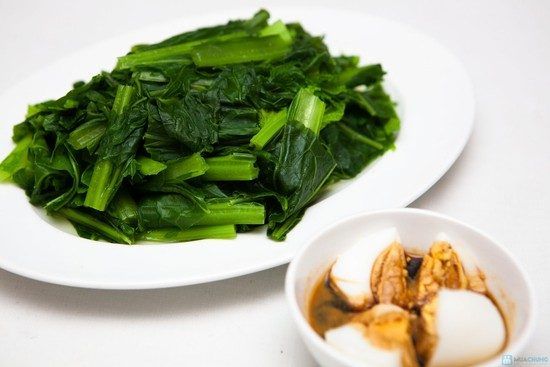
Boiled wild mustard retains its beautiful green color, natural crispness, and characteristic sweet taste. The dish is often dipped in fish sauce, sesame salt, or Northwest dipping sauce.
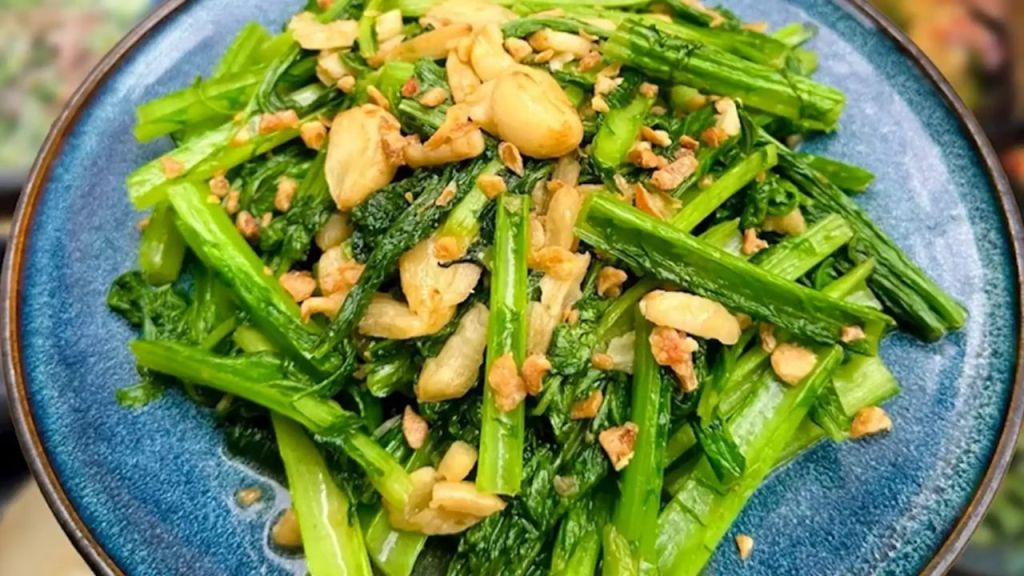
Stir-fried wild mustard with garlic
A rustic dish but extremely appetizing.
The fragrant taste of garlic blends with the sweetness of the vegetable, creating an attractive dish while still retaining the original flavor of wild mustard.
Wild mustard dipped in hot pot
On chilly days in Moc Chau, wild mustard often appears in hot pots of salmon, chicken, or beef.
The vegetable retains its crispness and natural sweetness, helping to balance the flavors of the hot pot.
Stir-fried wild mustard with beef
The combination of the sweetness of beef and the refreshing taste of wild mustard creates a nutritious dish served by many local restaurants.
The best time to enjoy wild mustard
Wild mustard is available year-round but is best in winter and early spring.
This is when the weather in Moc Chau is the coldest, helping the vegetables grow slowly and accumulate many nutrients. The leaves are dark green, the stems are sturdy, and the sweetness is more pronounced compared to other times of the year.
If you visit Moc Chau from November to March, you will have the opportunity to enjoy the best batches of wild mustard.
Not a complicated or extravagant dish, Moc Chau wild mustard attracts with its simplicity. From ideal climatic conditions, fertile soil to the traditional farming methods of the highland people, it has created a vegetable with a very unique flavor that is hard to find elsewhere.
Perhaps that is why many tourists remember the mild bitterness at the tip of their lips, the sweet taste at the back of their throats, and the peaceful feeling of simple meals in the mountains of Moc Chau after tasting it.
Bình Luận:
0