






Vietnam National Museum Of Fine Arts In Hanoi – A Treasure Trove Of Cultural And Artistic Heritage
Vietnam National Museum of Fine Arts in Hanoi: Treasure of Cultural and Artistic Heritage
The Vietnam National Museum of Fine Arts is one of the typical cultural destinations of the capital Hanoi, where it preserves and displays the treasure of valuable fine arts heritage of the nation through many historical periods. With impressive architecture, professional exhibition space along with tens of thousands of artworks, the museum is an ideal choice for those who love art, history, and want to explore the depth of Vietnamese culture.
1. Address of the Vietnam National Museum of Fine Arts & Opening Hours
- Address: No. 66 Nguyen Thai Hoc, Ba Dinh District, Hanoi
- Opening hours: 8:30 AM – 5:00 PM, from Monday to Sunday
The museum is located right in the center of Hanoi, near many famous attractions such as the Temple of Literature – Quoc Tu Giam, Thang Long Imperial Citadel. Visitors can easily move by motorbike, car, taxi, or bus routes such as 02, 18, 22A, 23, 32, 34, 38, 41, 45, 50. The museum has a convenient parking area for visitors.
In addition to the main headquarters at Nguyen Thai Hoc, the Vietnam National Museum of Fine Arts also has a second facility at Hoang Cau – O Cho Dua, specializing in the preservation, restoration of artifacts, and organizing scientific workshops on fine arts.
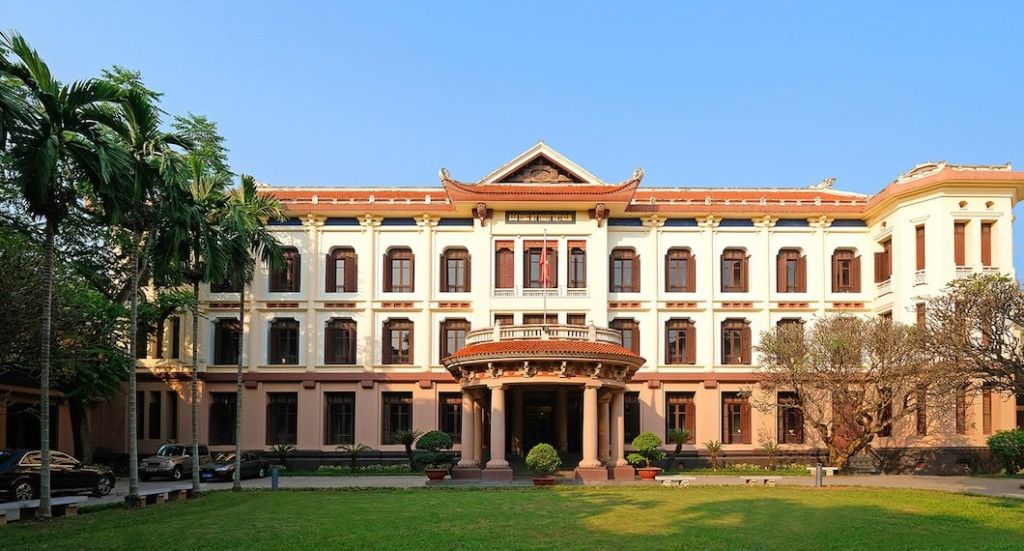
The Vietnam National Museum of Fine Arts is open every day of the week to serve visitors (Photo: Internet)
2. Ticket Prices for Visiting the Vietnam National Museum of Fine Arts
- Adults: 40,000 VND/ticket
- Students: 20,000 VND/ticket
- Children from 6 – 16 years old: 10,000 VND/ticket
Children under 6 years old and people with severe disabilities are exempt from ticket fees. In addition, the museum also provides guided tours, multilingual audio guides, and creative experiential activities for children.
Ticket prices range from 10,000 - 40,000 VND/person (Photo: Internet)
3. History of Formation and Development
The Vietnam National Museum of Fine Arts belongs to the national museum system, playing an important role in preserving and promoting the value of the country's fine arts heritage. The building was constructed during the French colonial period, initially serving as a residence for the daughters of French officials in Indochina.
In 1962, the building was handed over to the Ministry of Culture and renovated into an exhibition space for fine arts. On June 24, 1966, the Vietnam National Museum of Fine Arts officially opened to welcome visitors, carrying out the mission of researching, collecting, preserving, exhibiting, and educating fine arts from prehistoric times to the present.
4. What is Special about the Vietnam National Museum of Fine Arts?
The museum consists of 3 exhibition floors with an area of over 3,000 m², preserving nearly 20,000 artifacts and valuable artworks.
4.1. Exhibiting Typical Fine Arts Collections:
- The exhibition system is arranged scientifically, helping visitors easily follow the development flow of Vietnamese fine arts:
- Prehistoric – early historic fine arts: labor tools, jewelry, artistic sculptures from the Stone Age, bronze, and iron
- Fine arts from the 11th – 19th century: Buddhist influences, imperial architecture, Cham Pa sculpture
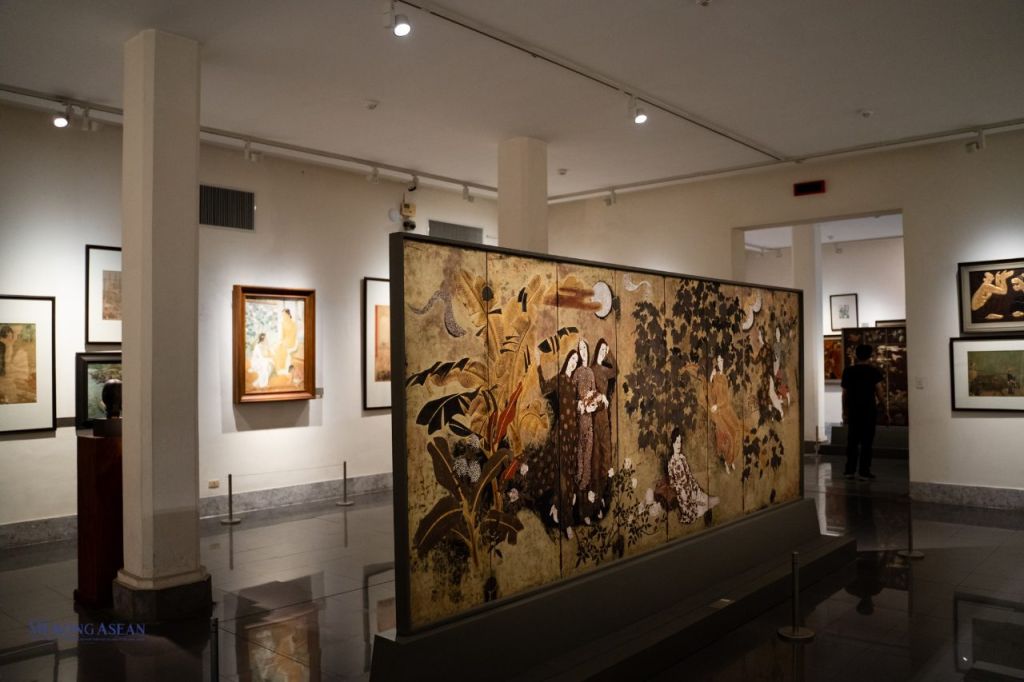
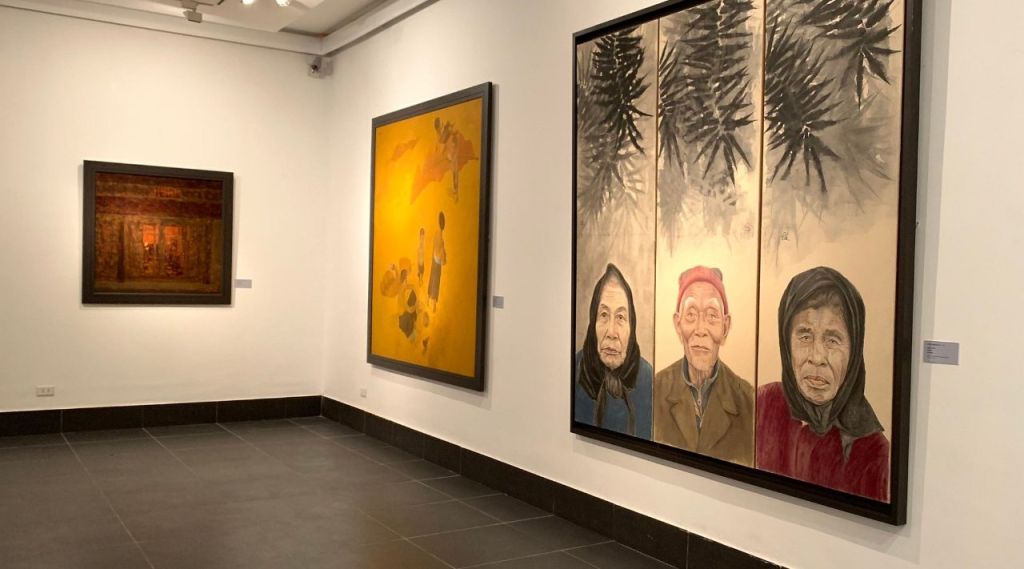
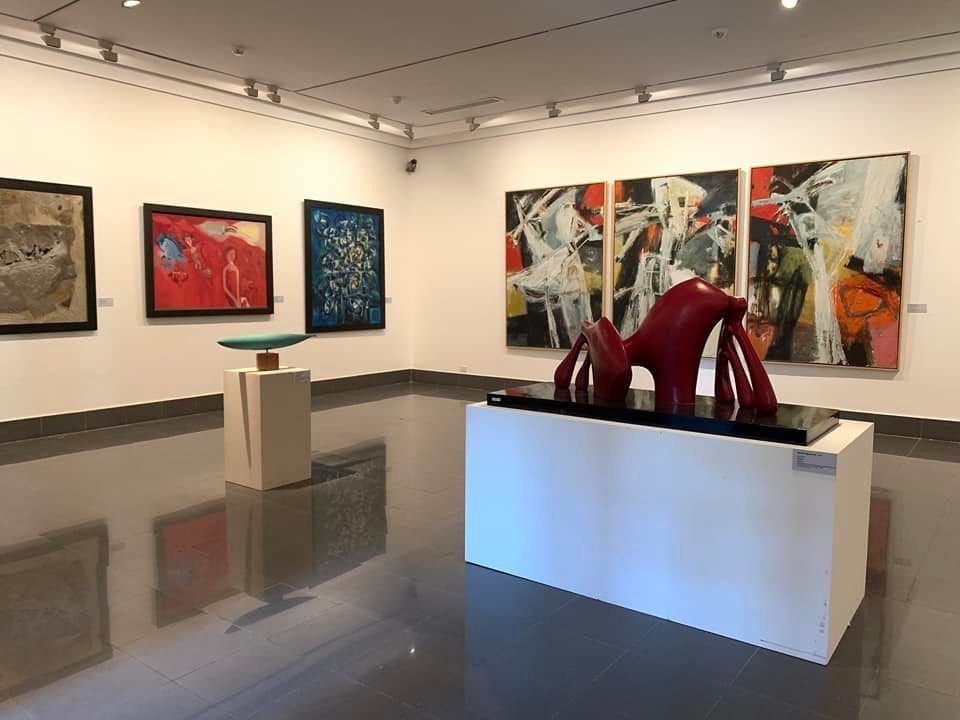
- Fine arts from the 20th century to present: lacquer paintings, silk, oil paintings, graphics, sculptures associated with historical periods
- Folk fine arts: Dong Ho paintings, Kim Hoang, Lang Sinh; folk sculptures reflecting life and beliefs
- Collection of ceramics from the 11th – 20th century: jade-glazed ceramics, crackled glaze, brown flowers, blue flowers, and modern ceramics
Exhibiting typical fine arts collections at the museum (Photo: Internet)
4.2. Exhibition and Creative Space
The museum regularly organizes fine arts exhibitions both domestically and internationally, providing a diverse perspective on traditional and contemporary art. In addition, the creative space for children helps them access art through activities like painting, pottery, and handicrafts.
4.3. Art Café Area
After visiting, guests can stop at the café area within the museum grounds, relaxing while admiring the architecture that breathes Indochina.
5. Conclusion
With great historical and artistic value along with a well-organized exhibition space, The Vietnam National Museum of Fine Arts is not only a place to preserve the essence of national fine arts but also a bridge connecting the public closer to the depth of Vietnamese culture through each period.
Whether you are an art lover, a researcher, or a visitor wanting to explore Vietnamese identity, the museum will surely provide meaningful, emotional, and memorable experiences in your journey to discover the capital Hanoi.
--------------------
Source: Compilation
Bình Luận:
0